
Lieferung heute & morgen

Qualitätsgarantie

Willkommens-Angebote freischalten: KOSTENLOSE Lieferung | Bis zu 80 % RABATT | Kostenlose 30-Tage-JoyPlus-Testphase
App herunterladen
A body cream should soften dry patches, reduce feelings of tightness and be pleasant to use every day. But not every rich texture suits every skin type. If you only pay attention to fragrance, packaging or advertising claims, you might end up buying a product that feels sticky, irritates your skin or sits unused in the cupboard after just a few applications.
This buying guide shows you which ingredients and product features are genuinely relevant, and which body care products could suit different needs.
A body butter containing shea butter, oils or waxes can be ideal for very dry skin. However, for normal or blemish-prone skin, a particularly occlusive texture can feel heavy. What really matters isn’t just the label Body Cream, but the combination of your skin type, the body area and how often you apply it.
Scented body creams can make the skincare experience more enjoyable. However, fragrance ingredients such as Limonene, Linalool or Citronellol are relevant for sensitive individuals. If you have easily irritated skin, you should opt for a fragrance-free body cream or check the INCI list before buying.
Claims like “48 hours of moisture” or “72 hours of care” come from the product’s own specifications and cannot simply be transferred to every skin type. Likewise, a firming body cream does not replace medical treatment and won’t automatically change your skin structure. For a sensible choice, what counts most are the ingredients, texture, pack size and usage instructions.
For a body cream for dry skin, humectants such as glycerin, urea or hyaluronic acid, as well as lipid-replenishing ingredients, are of interest. A urea body cream can be a suitable option for rough, dry skin. The urea content should be stated on the packaging, as different concentrations have different skincare properties.
For sensitive skin, short, clear INCI lists and as few fragrance ingredients as possible make sense. “Hypoallergenic” or “for sensitive skin” should not be taken as a guarantee of individual tolerance. Testing a small area of skin before applying it all over can be a sensible precaution.
After showering, a cream can often be spread pleasantly on slightly damp skin. If you want to get dressed straight away, look for fast-absorbing formulas.
A body cream with shea butter contains a proven lipid-replenishing ingredient, but it isn’t automatically vegan or fragrance-free. For vegan products, you should check for appropriate certifications on the packaging. Natural cosmetics seals such as NATRUE offer additional guidance, but they also don’t replace checking for individual tolerance.
For a body cream for body breakouts, products with salicylic acid or a non-comedogenic claim are relevant. Such formulas should only be used according to the instructions. For persistent, painful or inflammatory skin changes, it is advisable to seek medical advice.
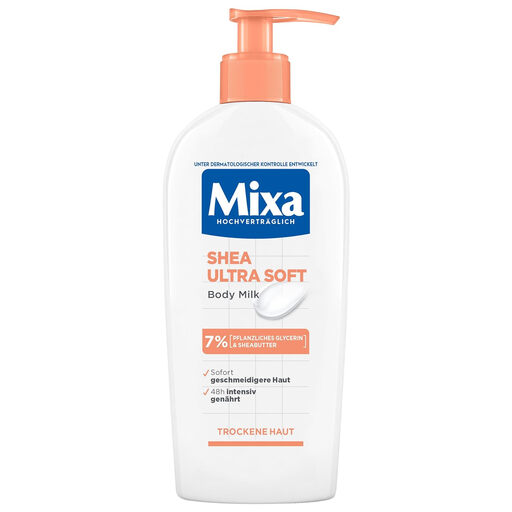
Why this product suits the profile: The lotion is indicated for dry and rough skin, contains glycerin and shea butter, and is dispensed via a practical pump dispenser. This makes regular application after showering easier.
The product description mentions an easily spreadable texture without a greasy skin feel. However, the formula does contain fragrance ingredients, which should be taken into account for sensitive skin.
250 ml content, pump dispenser, glycerin and shea butter; according to product information, intended for dry, rough skin.
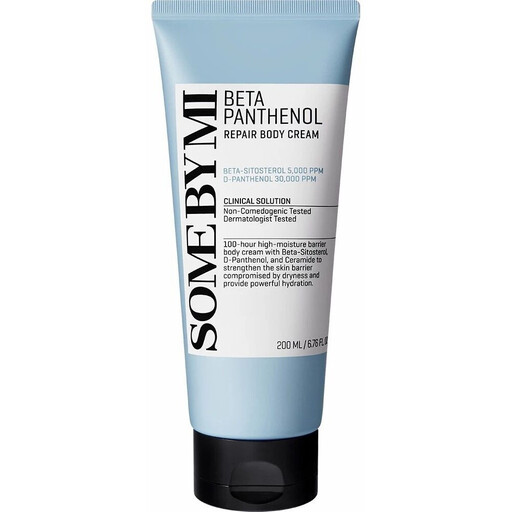
Why this product suits the profile: According to the product information, the formula combines panthenol, allantoin, ceramides and hyaluronic acid. It is aimed at buyers who specifically look for skin barrier care and a creamy, fast-absorbing texture.
The selection is based not only on marketing terms, but on specifically named ingredients. Before purchasing, the current INCI list on the packaging should be checked.
200 ml content; ceramides, allantoin, panthenol and hyaluronic acid according to the product description; indicated for dry and sensitive skin.
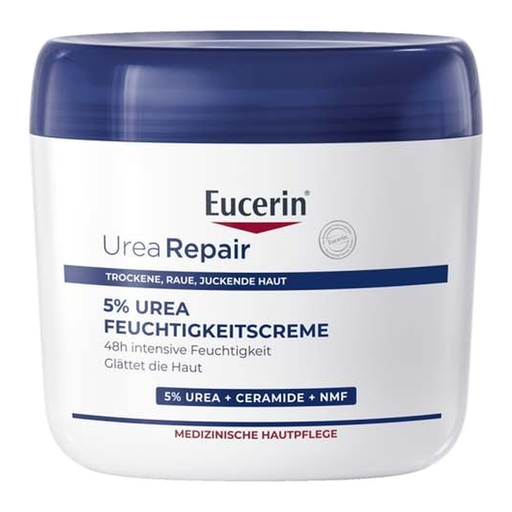
Why this product suits the profile: The 450 ml size is suitable for regular full-body care. According to the product information, the formula is fragrance-free and contains 5% urea, glycerin, natural moisturising factors and ceramides.
The selection takes into account measurable details such as urea concentration, pack size and “fragrance-free” rather than just general care promises.
450 ml, 5% urea, ceramides and fragrance-free formula according to the product description; indicated for dry to very dry skin.
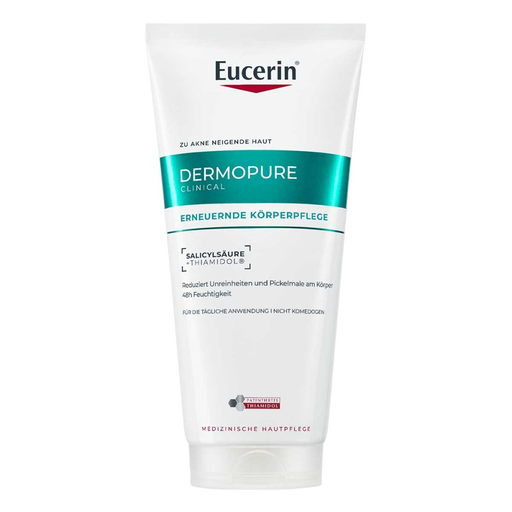
Why this product suits the profile: According to the product description, this body care product is intended for blemishes and post-acne marks on the body. It contains salicylic acid and is labelled as non-comedogenic.
The selection separates classic moisturising care from a specialised formula. If irritation occurs, use should be stopped and medical advice sought if necessary.
200 ml, salicylic acid, glycerin and non-comedogenic claim according to the product description; intended for blemish-prone body skin.
We have put together a complete, regularly updated list of products that fully meet these strict selection criteria and the safety regulations in force in the EU.
For even coverage, a small amount is usually enough, applied to clean skin. It is particularly practical to use it straight after showering or bathing:
The shelf life depends on the best-before date or the symbol indicating the period of use after opening. Heat, direct sunlight and frequently dipping your fingers in can affect product quality. A pump dispenser or tube is therefore often more hygienic for daily use than an open jar.
For very dry skin, rich body care products with urea, glycerin, ceramides, shea butter or plant oils are suitable. The right texture depends on whether you want the cream to absorb quickly or provide more lipid replenishment. If you experience itching, cracks or recurring discomfort, the cause should be checked by a doctor.
A body lotion is usually lighter and can be spread quickly over large areas. A body cream or body butter often contains more lipid-replenishing ingredients and can be suitable for rough, dry patches. “Better” cannot be determined in a general way; your skin condition and personal preferences are what matter.
This depends on your skin type and the product. Many formulas are intended for daily use, especially after showering. For sensitive skin, you should follow the usage instructions and check the INCI list. If redness or stinging occurs, stop using the product.