
Lieferung heute & morgen

Qualitätsgarantie

Willkommens-Angebote freischalten: KOSTENLOSE Lieferung | Bis zu 80 % RABATT | Kostenlose 30-Tage-JoyPlus-Testphase
App herunterladen
Dry skin can feel tight, look rough or become sensitive after washing. The right cream for dry skin can complement your daily skincare routine – provided the formula, intended use and your skin type are a good match. Not every rich moisturiser is suitable for the face, and a lightweight face cream won’t necessarily replace body care for very dry areas.
A pleasant fragrance says nothing about how well a product moisturises your skin. Perfume and fragrance ingredients that must be listed on the packaging may not suit sensitive skin. If you’re prone to redness or stinging, check the INCI list and choose a fragrance-free cream. However, “no perfume” does not automatically mean a product is suitable for medical use.
A body butter or nourishing cream can feel just right on your arms, legs and hands, as well as on particularly dry patches. On the face, however, a very occlusive texture may feel heavy or interfere with make-up. The intended use, how quickly it absorbs and your personal skincare routine all matter – not just the word “intensive” on the label.
Terms such as “strengthens the skin barrier”, “repair” or “72 hours” describe how a product is positioned; they don’t prove that it will work for every skin type. When choosing a skin barrier-strengthening cream, look for specific ingredients such as glycerin, urea, ceramides, shea butter or dimethicone. Your own skin’s tolerance is still key.
A good skincare formula often combines several types of ingredients:
A urea cream with 5% urea, for example, is one option for dry skin on the body. If your skin is very sensitive or irritated, try urea on a small area first, as it can sting on damaged skin.
A face cream for dry skin should fit into your daily routine and work well with sun cream or make-up. A body cream for dry skin can be richer and available in larger sizes. For babies and children, it’s particularly important to check age guidance, directions for use and the full list of ingredients.
If you have sensitive skin, also check for claims such as “fragrance-free”, “no colourants” or “dermatologically tested”. These claims are no substitute for testing a product on your own skin.
You’ll usually only need a small amount for your face. Body care is applied regularly and over larger areas after a shower, so 200 to 450 ml may be better value. Jars are easy to reach into, while tubes are hygienic and convenient when you’re out and about. Once opened, follow the product’s stated period of use on the packaging.
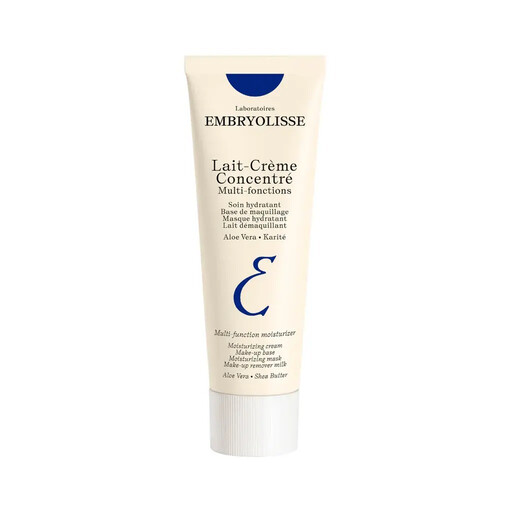
Why it suits this profile: According to the product description, this cream is intended for the face and neck and can be used as a daily moisturiser, make-up primer or mask. The 75 ml size is ideal for a compact routine.
Its versatility makes it a straightforward choice. Before buying, though, check that the rich texture suits your skin and works with your make-up.
Contains aloe vera and shea butter, according to the ingredient description; offers several uses in a 75 ml tube.
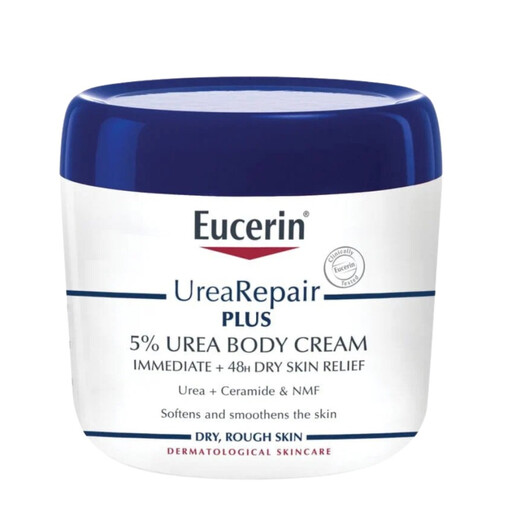
Why it suits this profile: The 450 ml size is designed for regular body care. According to the product description, the formula contains 5% urea, glycerin, shea butter and ceramides.
The stated urea concentration is more specific than a general claim such as “intensive”. If your skin is irritated or damaged, don’t use the product without first checking that you can tolerate it.
Specific 5% urea claim; ceramides and nourishing ingredients listed in the INCI; large size for body care.
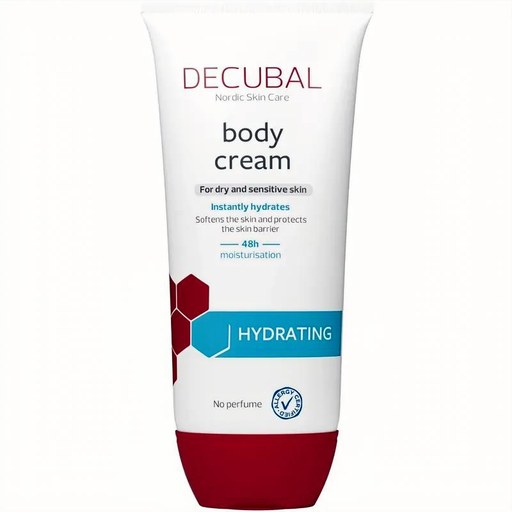
Why it suits this profile: According to the product description, this body cream is fragrance-free and contains no parabens or colourants. It is intended for dry and sensitive skin, and is suitable for daily use on arms, legs, hands, elbows and heels.
The fragrance-free label can help you narrow down your options if you want to avoid fragrance. Always check the current ingredient list on the packaging.
200 ml pack; glycerin, shea butter and sodium hyaluronate listed in the INCI; described as fragrance-free.
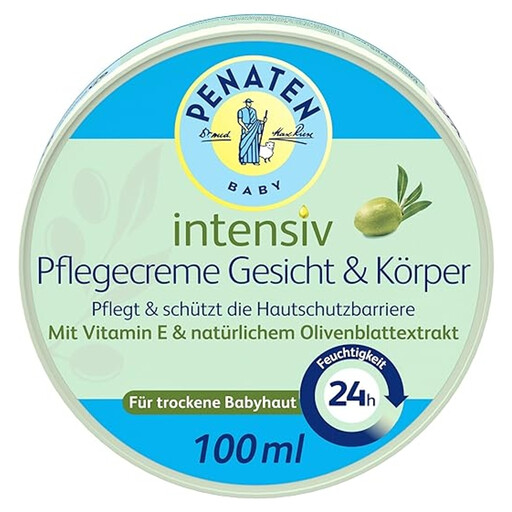
Why it suits this profile: According to the product description, this baby cream is intended for the face and body from one month of age. The formula is described as alcohol-free and free from colourants and parabens.
The age guidance helps avoid uncertainty when using the cream on babies. As the INCI list includes perfume, the cream is not automatically fragrance-free.
Listed for use on the face and body; 100 ml size; vitamin E and aloe vera, according to the product description.
We’ve put together a complete, regularly updated list of products that meet these strict selection criteria and fully comply with the safety regulations in force in the EU.
Apply a moisturiser to slightly damp skin after cleansing. This helps you make the most of the moisture already on your skin as part of your routine. When trying a new product, start with a small amount on an inconspicuous area. Stop using it if you experience persistent stinging, itching, redness or swelling. Open, weeping or severely inflamed skin should be assessed by a doctor; cosmetics are not a substitute for medical treatment.
For very dry skin on the body, rich formulas containing glycerin, urea, shea butter, oils or lipids may be a good choice. If you have sensitive skin, check the fragrance ingredients too. The right texture depends on whether you’re caring for your face, hands, legs or particularly rough patches.
That depends on how your skin feels and the product directions. Applying it after a shower, after washing your hands or whenever your skin feels tight is often a good option. A thin layer applied regularly may be more practical day to day than using a very large amount only occasionally.
Follow the open-jar symbol and the period shown, the best-before date and the manufacturer’s instructions. Changes in smell, colour or texture may indicate that the product’s quality has been affected. Use clean hands to take cream from a jar where possible, and keep it away from heat and direct sunlight.