
Lieferung heute & morgen

Qualitätsgarantie

Willkommens-Angebote freischalten: KOSTENLOSE Lieferung | Bis zu 80 % RABATT | Kostenlose 30-Tage-JoyPlus-Testphase
App herunterladen
Dry skin often feels tight, rough or visibly flaky. The right body cream for dry skin can complement your daily skincare routine – provided its texture, ingredients and intended use match your individual needs. However, there are clear differences between body lotion, rich cream and specialist care.
A particularly rich texture can be useful on elbows, knees or heels. However, many people find a very thick cream slow to absorb or sticky when used all over the body. If you want to get dressed straight after showering, look for descriptions such as fast-absorbing, lightweight texture or a non-greasy feel.
A pleasantly scented cream is not automatically suitable for sensitive skin. Perfume and fragrance ingredients that must be declared, such as Limonene, Linalool or Citronellol, may be undesirable for sensitive or irritated skin. A fragrance-free body cream is therefore an obvious option if you want to avoid fragrance ingredients. The complete ingredients list on the packaging remains decisive.
Some products in the range are specifically intended for the face, while others are designed for the body, hands or individual dry areas. A face cream may have a lighter texture and different usage instructions. Before buying, check whether the product is intended for the area where you want to use it.
For dry skin, humectants such as glycerin, urea or hyaluronic acid are common ingredients. Product descriptions often associate them with moisture retention. Rich formulations may also contain ingredients such as shea butter, oils, paraffin or silicones. These ingredients can help smooth the feel of the skin and support the care of dry areas.
A moisturising body cream with a lightweight texture is generally more suitable for larger areas of skin and daily use. For particularly rough areas, a more compact, lipid-rich product may be more practical.
Body care with urea is often chosen for dry and rough skin. The concentration is an important buying criterion. A product with 5 % urea is generally formulated differently from a cream with a considerably higher concentration. Certain ingredients may sting on irritated or damaged skin. Always follow the manufacturer’s instructions; if symptoms persist, seek advice from a dermatologist.
When choosing a body cream for sensitive skin, shoppers should check the ingredients list, fragrance information and warnings as well as the skin type. If the manufacturer does not state otherwise, it can be helpful to carry out a small compatibility test on a limited area of skin. Products should not be applied to open wounds, in the eyes or on mucous membranes.
The age recommendation is also important for families. A children’s skincare product is not automatically suitable for every skin situation. Children should be supervised by an adult during use if this is stated on the packaging.
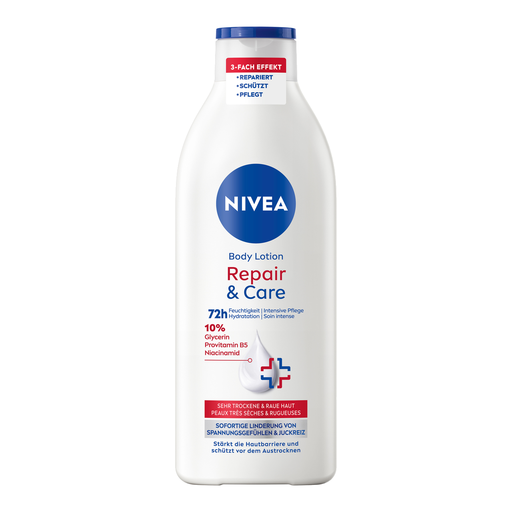
Why this product suits the profile: The 400-ml size is designed for regular body care. According to the product description, the formula contains 10 % glycerin as well as provitamin B5 and niacinamide, and is dermatologically approved.
The product details state that it has a fast-absorbing, non-greasy texture. This makes it easier to incorporate into your daily routine.
Large 400 ml size, glycerin complex and clear usage instructions for dry, rough skin.
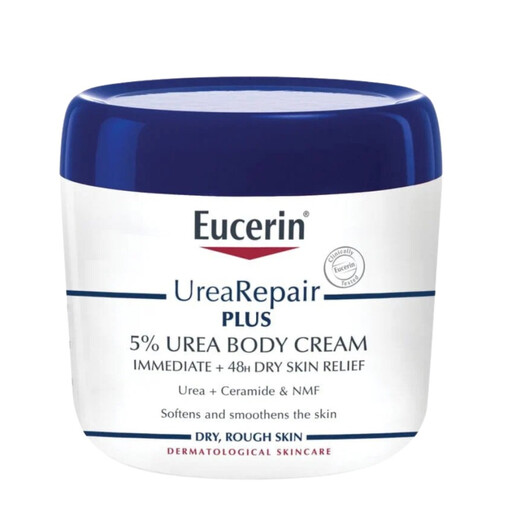
Why this product suits the profile: The product description lists 5 % urea, glycerin, Ceramide NP, shea butter and other moisture-binding ingredients for dry skin.
The urea concentration is clearly stated. Shoppers therefore do not have to rely solely on general terms such as “intensive”.
450 ml contents and a clear active-ingredient specification with 5 % urea.
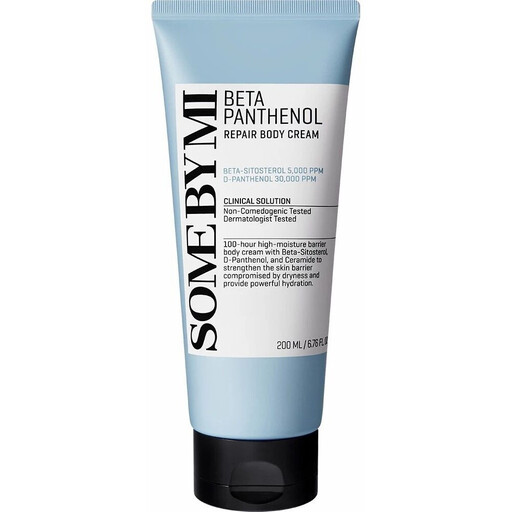
Why this product suits the profile: According to the product description, this cream is intended for dry and sensitive skin and contains panthenol, ceramides, allantoin and hyaluronic acid, among other ingredients.
The description specifically recommends applying it to slightly damp skin. This makes it easy to incorporate into your routine after showering.
200 ml contents, creamy texture and several listed nourishing ingredients for dry skin.
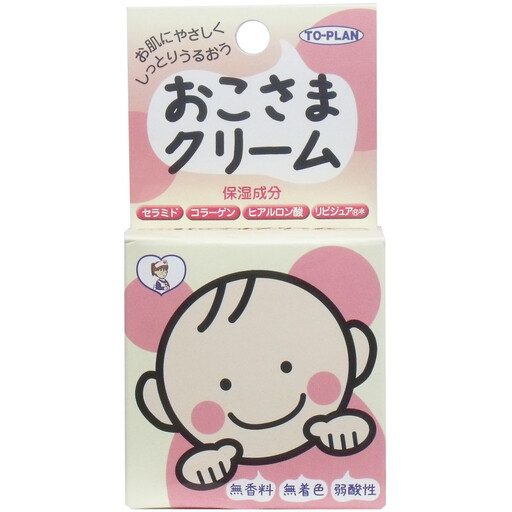
Why this product suits the profile: According to the product details, this cream is free from fragrances and colourants, has a mildly acidic formula and is intended for use on the face and body.
The fragrance-free formula addresses a frequently overlooked selection factor. The small 30-g pack is also suitable for targeted use on dry areas.
Fragrance-free formula, ceramides and use on the face and body.
We have put together a complete, regularly updated list of products that fully meet these strict selection criteria and the safety regulations applicable in the EU.
A cream for dry skin is not a substitute for medical assessment. If you experience weeping, painful, severely inflamed or recurring skin changes, it is advisable to seek medical advice.
Daily use after showering or bathing is usual for dry skin. Depending on the product and how your skin feels, you can also apply the cream to individual areas as needed. Always follow the instructions on the packaging.
A body cream for sensitive skin should, where possible, have a straightforward formula suited to your individual needs. If you want to avoid fragrance ingredients, look for the “fragrance-free” label, while still checking the current ingredients list. A rich moisturiser may also be suitable if your skin tolerates it well and it does not feel too heavy.
Skincare should primarily be chosen according to skin type, the area of the body and the desired texture – not gender. A body cream for men and women can therefore be used equally by everyone. Differences in product marketing often relate to fragrance, packaging or consistency; ingredients, pack size and usage instructions are more important.