
Lieferung heute & morgen

Qualitätsgarantie

Willkommens-Angebote freischalten: KOSTENLOSE Lieferung | Bis zu 80 % RABATT | Kostenlose 30-Tage-JoyPlus-Testphase
App herunterladen
Dry body skin may feel tight or rough, or develop visible flakes after showering. When looking for a body cream for dry skin, the choice may initially seem fairly straightforward. In reality, textures, ingredients, fragrances and care concepts can vary considerably. A rich body moisturiser that feels comfortable on the elbows may feel too heavy or irritating on sensitive areas of the skin.
A printed claim such as “intense moisture” does not automatically explain how a formula works. Various components are relevant for dry skin:
The INCI list on the packaging is therefore more important than the product name alone. A body moisturising cream should suit both the level of dryness and your personal preference for how it feels on the skin.
Perfumed body butter can make application more pleasant. However, for sensitive or easily reactive skin, fragrance ingredients may trigger intolerances. If you are looking for a cream for sensitive skin, seek out a fragrance-free body cream and check the declared fragrance allergens.
A very firm body butter is well suited to particularly dry areas, but may take longer to sink in. A lighter lotion is more practical in summer or in the morning, but may not be enough for rough knees and heels. The pack size also matters: 400 to 450 ml sizes are suitable for daily full-body care, while 50 to 75 ml sizes are convenient for travelling or trying a product.
For mildly dry skin, a lotion or cream may be sufficient. For very dry, rough skin, a body lotion for very dry skin, a body balm or a body butter with a higher lipid content may be worth considering. A balm is usually more compact and tends to form a protective layer, while a cream can often be spread more evenly over the whole body.
A urea body cream may be worth considering for rough, dry skin because urea is one of the skin’s natural moisturising factors. However, urea can sting on irritated or damaged areas of skin. Glycerin is another widely used humectant. Ceramides and cholesterol are lipid components used in formulations to support the skin barrier.
The claim strengthens the skin barrier should be understood as a skincare benefit and does not replace a medical diagnosis or treatment. If you experience persistent itching, inflamed areas, broken skin or suspected psoriasis, consult a medical professional before choosing a product. This also applies to supportive skincare for people with diabetes.
Before buying, it is worth checking the ingredients against any known intolerances. Ingredients such as parfum, limonene, linalool or certain preservatives may be relevant for some people. Applying a small amount to an inconspicuous area can show how your skin reacts. If redness, stinging or itching occurs, discontinue use.
The best time to apply body cream is directly after showering, when the skin has been lightly towel-dried. Massage the cream in gently rather than rubbing it in aggressively. Particularly dry areas such as the shins, elbows, knees and heels can then be given additional targeted care.
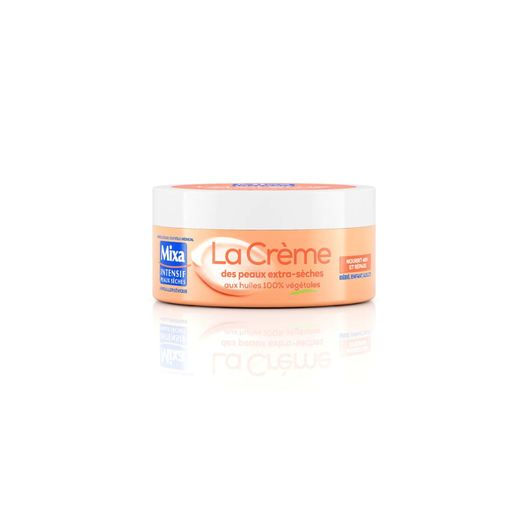
Why this product suits this profile: The 150 ml size is suitable for getting started and caring for individual dry areas of the body. The formula contains glycerin, dimethicone, almond oil, apricot kernel oil and shea butter, among other ingredients.
The manageable pack size reduces the risk of buying a large tub with an unsuitable texture. It contains parfum, which should be taken into account if you have sensitive skin.
Several nourishing oils and shea butter; according to the product description, it is intended for use on the body, hands or face.
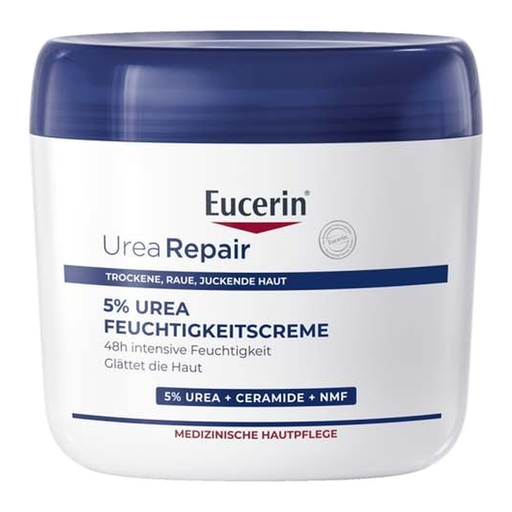
Why this product suits this profile: The 450 ml size is designed for regular full-body care. The INCI list includes urea, glycerin, Sodium PCA, ceramide NP, cholesterol and other humectants.
The product information states that it has a fragrance-free formulation. This removes a common consideration for people who wish to avoid fragrance ingredients.
5% urea, together with ceramides and natural moisturising factors; intended for use over the entire body.
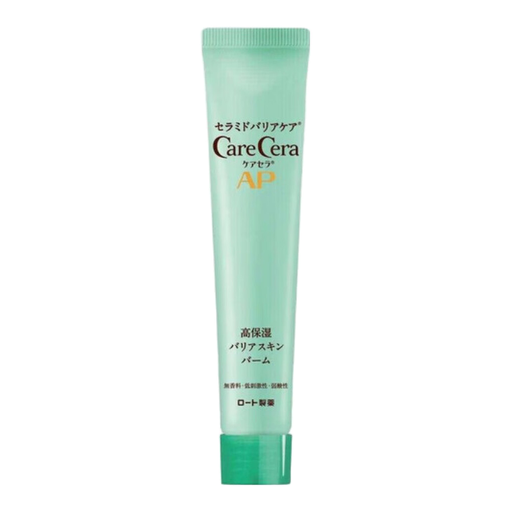
Why this product suits this profile: The compact balm is intended for particularly dry areas and as the final step in a skincare routine. The formula contains several types of ceramide, glycerin, squalane and petrolatum.
The small quantity means you do not have to use a very rich balm all over your body. According to the product warning, it must not be applied to wounds, swelling, eczema or unusual areas of skin.
Several ceramides and a protective, compact texture; suitable as an additional final step in your skincare routine.
We have put together a complete, regularly updated list of products that fully meet these strict selection criteria and the safety regulations applicable in the EU.
This depends on the condition of your skin, how well you tolerate the ingredients and the texture you prefer. Urea, glycerin, ceramides, shea butter or petrolatum may be included in different combinations. For rough skin, a richer cream or balm is often an obvious choice; for daily application over larger areas, a cream that spreads more easily may be more practical.
Not necessarily. Body butter often contains more oils and fats, giving it a richer feel. Lotion can usually be spread more quickly and is suitable for larger areas of the body. Body butter can be applied selectively to dry elbows, knees or heels, while lotion provides everyday basic care.
The key information is the open-jar symbol showing how long the product can be used after opening, together with the printed best-before or expiry date. Changes in smell, colour or consistency may indicate that the product quality has deteriorated. In that case, the cream should no longer be used. If you have a skin condition or recurring symptoms, seeking medical advice is recommended.