
Lieferung heute & morgen

Qualitätsgarantie

Willkommens-Angebote freischalten: KOSTENLOSE Lieferung | Bis zu 80 % RABATT | Kostenlose 30-Tage-JoyPlus-Testphase
App herunterladen
Choosing a new body fat scale can quickly become overwhelming given the abundance of models and features. Many devices promise a detailed analysis of your body composition, but not all live up to their marketing claims. Instead of being dazzled by long lists of metrics, it's crucial to understand the pitfalls that often lead to a poor purchase.
Many users soon find that their new scale delivers inaccurate or wildly fluctuating results, the app connection is unreliable, or advertised features offer no practical value in daily life. This guide will help you cut through the noise and find a scale that is precise, reliable, and tailored to your needs.
Before you make a decision, you should be aware of the most common issues that can significantly limit the usefulness of a smart scale.
To avoid the problems mentioned above, you should focus on three core technical aspects. These largely determine the precision and longevity of your device.
The accuracy of a bathroom scale with body fat measurement depends on the quality of its BIA technology. Look for the following features:
The method of data transmission significantly impacts user convenience:
For families or shared households, the number of storable user profiles is crucial. Most models offer 8 or more profiles with automatic user recognition. Also, check the maximum weight capacity of the scale. While 150 kg or 180 kg is standard, there are also more robust models that can support up to 200 kg.
Instead of making blanket recommendations, we have identified models that meet specific user needs and avoid the pitfalls mentioned earlier.
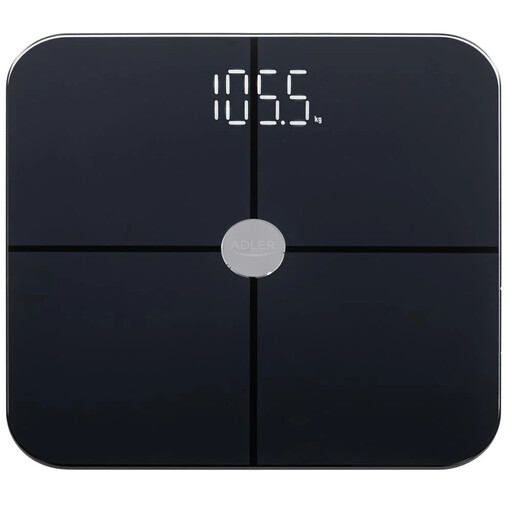
Why This Fits Their Persona: Ideal for users seeking a reliable body composition scale with essential features without a large investment. It provides a solid foundation for data-driven health tracking.
According to the manufacturer, the FitGo app requires no registration and offers unlimited storage. This bypasses the pitfall of excessive data collection and insecure user accounts.
The ITO coating provides a seamless, modern look without metal electrodes and supports consistent measurement. Measures 12 relevant body parameters.

Why This Fits Their Persona: Perfect for multi-person households that value maximum convenience and seamless data integration. The automatic sync and user recognition simplify daily tracking for all family members.
Thanks to its Wi-Fi function, data is synced automatically without needing the app to be open on a phone. This solves the problem of unstable Bluetooth connections and makes it more convenient to use.
The solar technology charges the battery in both natural and artificial light, making battery changes obsolete. The app is compatible with popular fitness platforms like Apple Health and Google Fit.
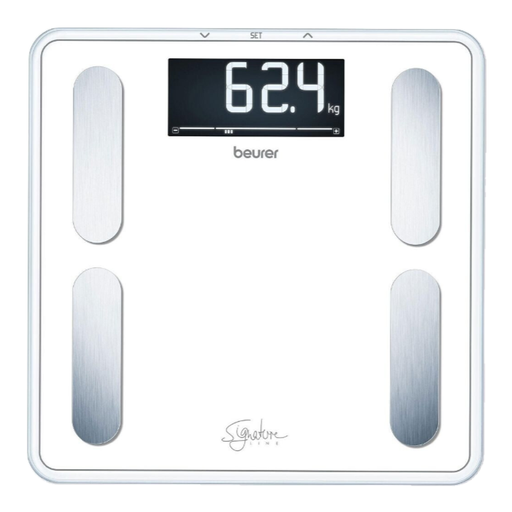
Why This Fits Their Persona: Suitable for users who need an exceptionally stable and durable scale with simple operation and a very easy-to-read display. On-device data storage makes it independent of apps.
This model operates completely standalone. With 10 user profiles stored directly on the device, it bypasses the dependency on smartphone apps, whose lifecycle and reliability are often uncertain.
A maximum weight capacity of 200 kg and a large standing surface made of safety glass offer high stability. The illuminated XL display ensures excellent readability.
We have compiled a complete, up-to-date list of products that fully meet these strict selection criteria and German safety regulations.
1. How accurate is body fat measurement with a home scale? BIA measurements on home devices are primarily for tracking trends, not for medical diagnosis. The absolute values may differ from professional measurements (e.g., a DEXA scan). More important than the exact percentage is consistent measurement under the same conditions (e.g., in the morning after getting up) to reliably identify a positive or negative trend over time.
2. Does a body fat scale always have to be on the same surface? Yes, absolutely. For precise and comparable results, the scale must be on a hard, flat floor. Soft surfaces like carpet or uneven tiles can interfere with the weight measurement and lead to significant measurement errors. If you move the scale, a brief recalibration (tap it briefly, wait for "0.0") may be useful.
3. What is the difference between a Bluetooth and a Wi-Fi scale? A Bluetooth scale sends data directly to the open app on your smartphone when it is in close proximity. A Wi-Fi scale connects autonomously to your Wi-Fi network and uploads the data to the manufacturer's servers. You can then retrieve the data later in the app, even if your phone was not with you during weighing. Wi-Fi is more convenient, especially for families.