
Lieferung heute & morgen

Qualitätsgarantie

Willkommens-Angebote freischalten: KOSTENLOSE Lieferung | Bis zu 80 % RABATT | Kostenlose 30-Tage-JoyPlus-Testphase
App herunterladen
A modern body fat scale can be a useful tool for tracking fitness goals and developing a better understanding of your body composition. However, the market is filled with models whose marketing promises often create more confusion than clarity. Before you make a decision, it's crucial to understand the most common pitfalls that can lead to an unsatisfactory purchase.
This guide will help you identify the key features and find a scale that truly fits your needs.
Many users are disappointed with their new scale after just a short time. This is often due to inflated expectations created by clever marketing. Pay attention to these three points to avoid making a bad buy:
To separate the wheat from the chaff, focus on the technical fundamentals. These three aspects determine the quality and usefulness of a body analysis scale with an app.
Almost every diagnostic scale uses Bioelectrical Impedance Analysis (BIA). This method sends a very weak, imperceptible electrical current through the body. Since fat, muscle, and water conduct electricity differently, the scale can calculate the proportions of different tissue types from the measured resistance.
For reliable results, it's crucial that measurements are always taken under the same conditions:
The method of data transfer significantly impacts user convenience.
Instead of being dazzled by a long list of features, focus on the precise measurement of core metrics. A good personal scale with body fat measurement should reliably determine the following parameters:
These values provide a solid foundation for objectively tracking progress during a diet or training regimen.
Here are some recommendations tailored to specific user profiles that purposefully avoid the pitfalls mentioned.
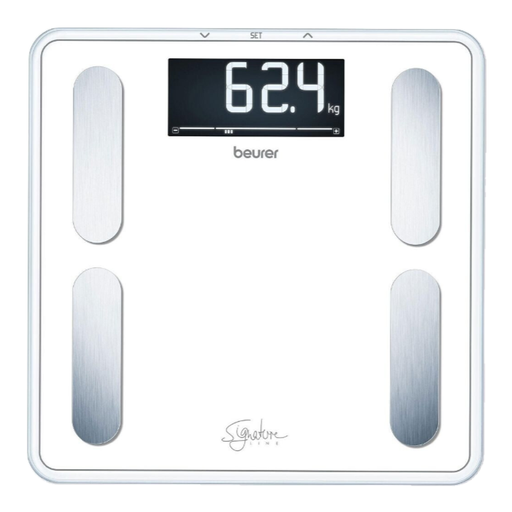
Why it's a great fit: Ideal for households where multiple people want to track their metrics separately without relying on an app. The automatic user recognition and large display make it straightforward to use.
This model focuses on essential metrics and stores them for up to 10 users directly on the device. It avoids dependency on an app and the associated software issues.
High weight capacity up to 200 kg and an extra-large, illuminated XL display for excellent readability. The brushed stainless steel electrodes ensure a reliable BIA measurement.
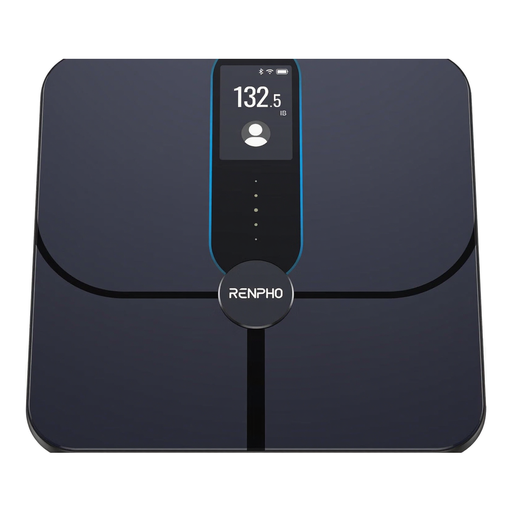
Why it's a great fit: Perfect for users who want seamless integration into their digital fitness ecosystem. The dual connectivity via Wi-Fi and Bluetooth ensures maximum flexibility and automatic data synchronisation.
The stable Wi-Fi connection ensures automatic data synchronisation without needing your smartphone handy for every measurement. The app is well-established and regularly maintained, minimising the risk of software problems.
Automatic synchronisation via Wi-Fi and compatibility with popular fitness apps (e.g., Apple Health, Google Fit). The large TFT display shows multiple metrics directly on the scale.

Why it's a great fit: This model combines advanced smart features with a sustainable power source. It's ideal for users who value both technology and eco-consciousness and don't want to compromise on data collection.
The innovative solar technology eliminates the need for battery changes, avoiding ongoing costs and waste. The ITO coating on the glass surface ensures even current distribution for high measurement accuracy.
Sustainable operation through charging via solar and artificial light. It also offers Wi-Fi and Bluetooth connectivity and an unlimited number of users with automatic recognition.
We have compiled a complete, up-to-date list of products that fully meet these strict selection criteria and rigorous safety standards.
The accuracy of BIA scales for home use is sufficient for tracking trends and changes but cannot be compared to medical-grade devices. The absolute accuracy can be influenced by factors like hydration level, the last meal, or physical activity. More important than the exact absolute value is consistent measurement to identify progress over time.
For most established manufacturers, the basic functions of the app, such as saving and viewing measurements, are free. Some providers offer optional premium subscriptions for advanced analytics or personalised coaching plans. It is advisable to check the app description before purchasing.
BIA technology requires direct contact between your feet and the metal electrodes on the scale. Socks, stockings, or shoes block the electrical impulse, preventing the scale from determining body composition metrics and causing it to display only your weight.