A body fat scale, also known as a body composition scale, provides far more information than a conventional personal scale. While pure body weight offers limited insight into your physical condition, modern diagnostic scales enable a more detailed analysis of your body composition. They typically use Bioelectrical Impedance Analysis (BIA), which sends a weak, imperceptible electrical impulse through the body. Because different types of tissue—such as fat, muscle, and water—offer varying resistance to the current, the scale can calculate metrics like body fat percentage, muscle mass, water content, and bone mass. This data provides a solid foundation for tracking fitness and health goals.
Buying Guide: Key Technical Criteria for Your Selection
Your choice of scale should be based on an analysis of its technical specifications and your intended use. The following parameters are of central importance.
Measurement Technology and Accuracy
The precision of a scale with body fat measurement largely depends on the number and placement of its electrodes.
- 4-Electrode System: The standard for most models. Four electrodes are integrated into the standing platform and measure resistance in the lower body. Values for the upper body are then extrapolated from this data. This provides sufficient trend analysis for many users.
- 8-Electrode System: These advanced models feature additional electrodes in a handlebar. This enables a segmental analysis of the arms, legs, and torso, significantly increasing measurement accuracy. Some devices also use dual-frequency BIA to distinguish between intracellular and extracellular fluid, delivering even more precise results.
Scope of Measured Metrics
Modern scales can capture a wide variety of metrics. The most common include:
- Weight
- BMI (Body Mass Index)
- Body Fat (%)
- Muscle Mass (kg)
- Body Water (%)
- Visceral Fat (Index)
- Bone Mass (kg)
- Basal Metabolic Rate (BMR)
Consider which of these metrics are relevant to your personal goals.
Connectivity and App Functionality
A digital scale with an app automatically syncs measurement data to a smartphone or tablet. There are two common technologies for this:
- Bluetooth Scale: Data transfer occurs when the companion app is open on your smartphone and the device is within range.
- Wi-Fi Scale: The scale connects directly to your home Wi-Fi network and automatically syncs data to the cloud, without needing your smartphone to be nearby. This offers greater convenience.
The app itself should offer a clear presentation of historical data, graphs, and the ability to manage multiple user profiles.
Material, Design, and Weight Capacity
Most scales feature a platform made of tempered safety glass, which is durable and easy to clean. Models with bamboo surfaces offer an alternative aesthetic. The maximum weight capacity for most devices is up to 180 kg. Look for non-slip feet to ensure safe use on smooth floors.
Our Top Picks for 2026
Based on an analysis of technical specifications and practical benefits, we present three models with different focuses.
1. Personal Scale Bamboo
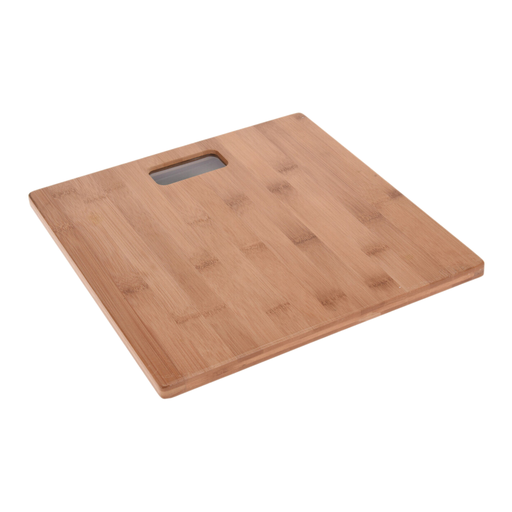
- Why we recommend this product: This model focuses on the core function of a scale: precise weight measurement. Its design, featuring a platform made of sustainable bamboo and tempered glass, combines a natural look with stability. It's a functional and stylish solution for basic weight management.
- Key Features:
- High-precision sensors for accurate weight measurement up to 180 kg in 0.1 kg increments.
- Platform made of bamboo and tempered glass.
- Automatic on/off function (Step-On technology).
- Bright, easy-to-read LCD/LED display.
- Best for: Users looking for a reliable and aesthetically pleasing personal scale for weight measurement only, with no need for body analysis features or app connectivity.
2. Smart Body Fat Scale 30×30 cm
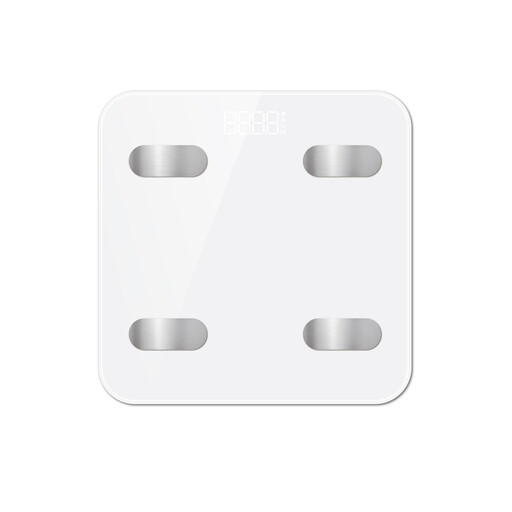
- Why we recommend this product: This smart scale offers a comprehensive package for health-conscious users and families. Using 4-pole BIA technology, it captures 24 different body metrics and syncs them via Bluetooth to an app. The large platform and clean design make it a practical everyday companion.
- Key Features:
- Comprehensive analysis with 24 body metrics (including weight, body fat, BMI, muscle mass).
- Bluetooth connectivity for easy data synchronisation with the companion app.
- Large platform (30x30 cm) made of tempered glass.
- Precise E-shaped sensors for reliable measurements.
- Best for: Individuals and families who want to track their body composition in detail and conveniently analyse their progress via an app. It's an ideal BMI scale for getting started with data-driven health monitoring.
- Important Note: According to the manufacturer, this product is not suitable for individuals with pacemakers or other metallic implants due to the BIA technology. The body analysis function is not recommended for pregnant women or children under 10 years of age.
3. 8-Electrode Smart Body Fat Scale with TFT Colour Screen
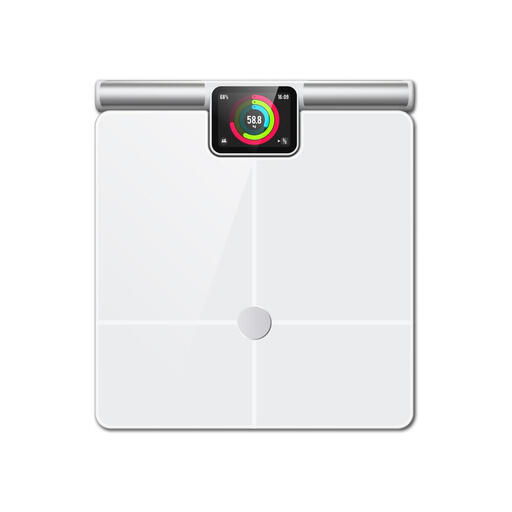
- Why we recommend this product: This high-end model is aimed at users with professional demands. The 8-electrode measurement combined with dual-frequency BIA enables high-accuracy segmental body analysis. With 56 metrics, Wi-Fi and Bluetooth connectivity, and a TFT colour screen directly on the scale, this device sets a high technical standard.
- Key Features:
- Professional 8-electrode technology for precise segmental analysis of arms, legs, and torso.
- Measures 56 comprehensive body metrics.
- Dual connectivity (Wi-Fi + Bluetooth) for automatic cloud synchronisation.
- Large 3.36-inch TFT colour display for direct data viewing.
- Integrated sensor for measuring static heart rate.
- Best for: Ambitious athletes, fitness enthusiasts, and data-driven users who need an extremely detailed and precise diagnostic scale to optimise their training and nutrition.
More Options for the Whole Family
In addition to monitoring your own health data, promoting an active lifestyle for the entire family is a key building block. While body analysis scales have limited use for children, enthusiasm for physical activity can be encouraged from an early age. Discover suitable equipment to motivate even the youngest family members to get active in our Kids' Fitness Equipment category.
Frequently Asked Questions (FAQ)
1. How accurate are body fat scales for home use? The accuracy of home-use scales is designed for tracking trends and relative changes over time. The absolute values may differ from professional medical devices. Factors such as hydration level, time of day, and your last meal can influence the results. For greater consistency, measurements should always be taken under the same conditions. Models with 8-electrode technology generally offer higher precision than 4-electrode systems.
2. When is the best time to take a measurement on a body fat scale? For comparable results, it is recommended to always take measurements at the same time of day and under the same conditions. The ideal time is in the morning, right after waking up and using the restroom, but before eating or drinking. The measurement should be taken barefoot on a hard, flat surface.
3. What is the difference between a regular personal scale and a body fat scale? A regular personal scale only measures the body's total mass (weight) in kilograms. A body fat scale or fitness scale goes a step further: it uses bioelectrical impedance analysis (BIA) to estimate the composition of that mass. It provides additional metrics like the percentage of body fat, muscle mass, water, and bone mass, allowing for a more nuanced assessment of your physical condition.
From the Joybuy Product Recommendation Officer

