
Lieferung heute & morgen

Qualitätsgarantie

Willkommens-Angebote freischalten: KOSTENLOSE Lieferung | Bis zu 80 % RABATT | Kostenlose 30-Tage-JoyPlus-Testphase
App herunterladen
A modern body fat scale offers far more than just displaying your weight. It provides detailed insights into key health metrics like body fat percentage, muscle mass, and Body Mass Index (BMI). However, the market is flooded with devices whose marketing promises often don't align with reality. Before making a purchase, it's crucial to understand the most common pitfalls that can lead to inaccurate measurements and frustration.
Many users report three core problems:
This guide will help you navigate these issues and make an informed decision.
To find a reliable smart scale that supports your health goals, you should focus on three core technical aspects. These features are more critical than mere marketing claims.
Modern body fat scales use Bioelectrical Impedance Analysis (BIA). This method sends a weak, imperceptible electrical impulse through the body. Since fat, muscle, and water conduct electricity differently, the scale can calculate the body's composition based on the resistance.
A scale with body fat measurement is only as good as the software that processes its data. A great app is the heart of any body composition scale.
Instead of being dazzled by a long list of metrics, focus on the parameters that are truly meaningful. A good digital bathroom scale with analysis features should accurately capture at least the following values:
Based on the criteria mentioned, we have identified several models suitable for different needs and user groups.
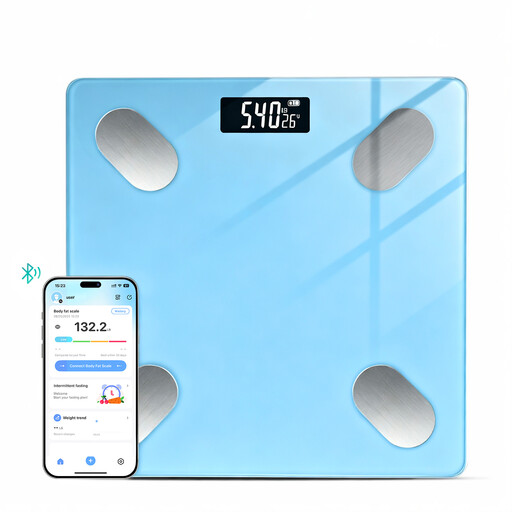
Why This Fits Their Persona: Ideal for households where multiple people want to track their health data. The scale supports multiple user profiles with automatic recognition and syncs data for each family member separately via the OKOK app.
It sidesteps the "useless app" trap with an established app connection that allows for straightforward data syncing and management of multiple profiles.
Captures 13 key body metrics and provides clear digital monitoring for each user. The four precision sensors ensure reliable measurements.
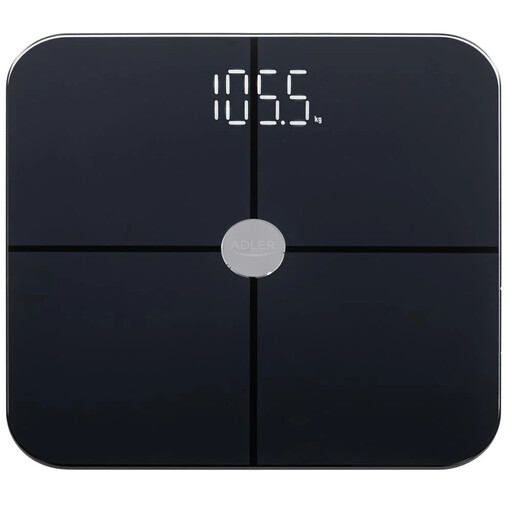
Why This Fits Their Persona: Perfect for athletes and tech-savvy users who want a comprehensive analysis of their body composition. The scale measures 12 different parameters and uses an ITO coating for a uniform measurement surface.
Addresses the problem of unreliable sensors by using high-precision manganese steel sensors and a full-surface ITO coating, which supports measurement consistency.
Offers comprehensive data analysis via the FitGo app without mandatory registration and features an elegant design with a hidden LED display.
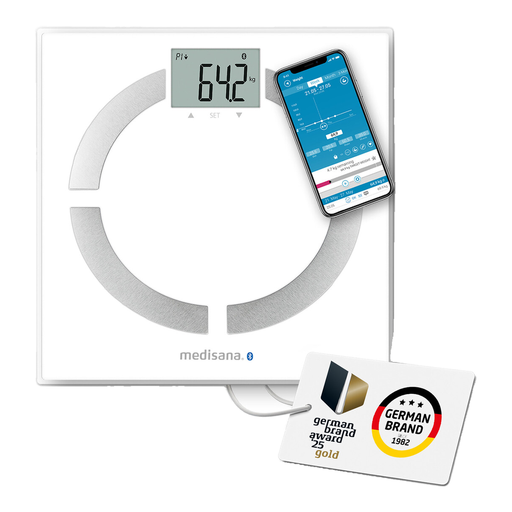
Why This Fits Their Persona: Suitable for users who value an established brand in the health sector and a proven ecosystem. Medisana is a well-known German manufacturer of health products.
Connection to the VitaDock+ app, which has been maintained for years, minimises the risk of outdated or non-functional software. The measured values are focused on the essentials.
Automatic recognition of up to 8 users and seamless Bluetooth transfer of values (weight, body fat, water, muscle and bone mass) to the app.
We have compiled a complete, up-to-date list of products that fully meet these strict selection criteria and German safety regulations.
Body fat scales for home use that employ the BIA method are primarily intended for trend analysis. The absolute values may differ from professional medical measurements. Their strength lies in consistently documenting changes in body composition over time. For precise results, it is important to always take measurements under the same conditions (e.g., in the morning after waking up).
For most manufacturers, the basic functionality of the associated app—syncing and displaying measurements—is free. However, some providers may offer optional premium subscriptions for advanced analysis features or personalised coaching plans. This should be checked before purchasing, but it is generally not necessary for the core function.
No. For an accurate measurement, a body composition scale must be placed on a hard, flat surface such as tile, parquet, or laminate. Carpets or other soft surfaces can give way and distort the weight measurement, which in turn makes all analysis values based on it (body fat, muscle mass, etc.) inaccurate.