
Lieferung heute & morgen

Qualitätsgarantie
App herunterladen
Kategorien
A body fat scale, also known as a body composition scale, is a measuring instrument that goes beyond simply determining your weight. Using Bioelectrical Impedance Analysis (BIA), it sends a weak, imperceptible electrical impulse through the body. Because different tissue types like fat, muscle, and water offer varying levels of resistance to the current, the scale can infer your body composition from the measured resistance (impedance). Modern devices, often called smart scales, sync this data via Bluetooth or Wi-Fi to an app on your smartphone. This allows for detailed, long-term tracking of health metrics.
Selecting the right model depends on your individual needs regarding measurement scope, connectivity, and user-friendliness. The following technical criteria provide a basis for making an informed decision.
The accuracy of a body fat scale depends on the quality of its sensors and the underlying BIA method. High-quality scales typically use four electrodes on the standing platform to make contact with your feet. The precision of the weight measurement, often specified in 50g or 100g increments, is an indicator of the quality of the weighing sensors. For body analysis, it's important to understand that BIA values are estimates. The consistency of measurements taken under the same conditions (e.g., in the morning, on an empty stomach) is more crucial for trend analysis than any single absolute value.
Connection to a mobile device is a core feature of a smart scale.
The quality of the companion app is also a crucial factor. A good app offers a clear display of historical data, the ability to set up multiple user profiles, and ideally, the option to sync data with other health apps (e.g., Apple Health, Google Fit).
In addition to weight and body fat percentage, modern scales can determine a variety of other metrics. Common metrics include:
The number of measured parameters varies by model. Users should consider which metrics are relevant to their personal health or fitness goals.
Most app-connected personal scales feature a platform made of tempered safety glass. This material is durable and easy to clean. Sufficient thickness (e.g., 5 mm or more) contributes to its stability. Rounded corners and non-slip feet are important safety features that minimise the risk of injury and ensure a stable footing on smooth floors, such as in a bathroom.
Based on technical specifications and practical utility, we present a few models here.
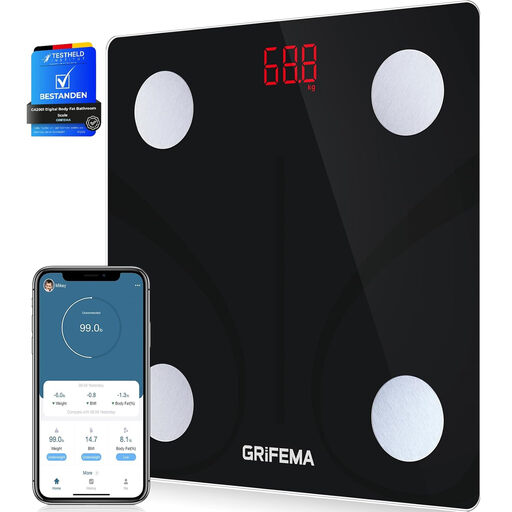
Why We Recommend This Product The Grifema Smart Body Fat Scale stands out for its comprehensive range of measurements. Through the "MovingLife" app, it tracks 13 different body metrics, including BMI, body fat, measuring muscle mass, and even body age. Its Bluetooth 4.0+ connectivity and multi-user support make it a functional solution for multi-person households.
Advantages
Who It's For This model is particularly suitable for families, couples, or flatmates who want to use a single scale and track their progress individually and clearly within an app.
View Product: Grifema Smart Body Fat Scale
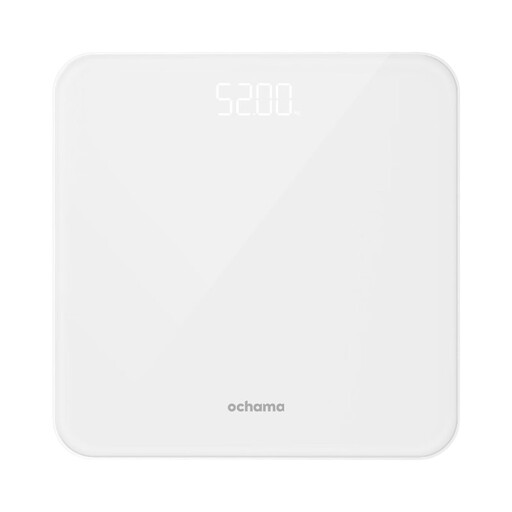
Why We Recommend This Product The ochama digital scale focuses on core functions: precise weighing and durability. With a stated battery life of up to 180 days and a robust 5 mm tempered glass platform, it is designed for reliable, low-maintenance use. The high-contrast LED display ensures excellent readability in all lighting conditions.
Advantages
Who It's For Users looking for a reliable, durable, and easy-to-use digital scale with body fat measurement for primary weight management, who also appreciate a minimalist design, will find this a suitable option.
View Product: ochama Digital Weighing Scales
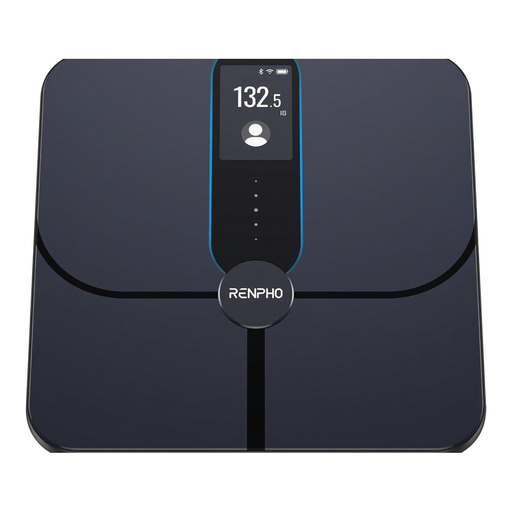
Why We Recommend This Product The RENPHO Elis Nova offers a high degree of convenience with its dual connectivity (Wi-Fi & Bluetooth). Automatic synchronisation via Wi-Fi eliminates the need for manual data transfer. The large TFT colour display shows key metrics directly on the scale, making it unnecessary to always check your smartphone. USB-C charging is another modern feature.
Advantages
Who It's For This model is aimed at tech-savvy users who want maximum convenience through automatic data syncing and an informative on-device display. The BMI scale is ideal for anyone striving for seamless integration into their digital health lifestyle.
View Product: RENPHO Elis Nova Smart Wi-Fi Body Fat Scale
If the models presented don't exactly meet your requirements, you can find a broader selection of measuring devices and training accessories in our main category. There, you can filter products based on specific features and price points.
Discover more products in the Weights and Fitness Equipment category.
1. How does a body fat scale work? A body fat scale uses Bioelectrical Impedance Analysis (BIA). It sends a very weak, imperceptible electrical current through the body, usually from one foot to the other. Since fat tissue conducts electricity more poorly than water-rich muscle mass, the scale measures the electrical resistance (impedance). Using this value, along with stored data like age, gender, and height, an algorithm calculates the percentages of body fat, muscle mass, and other components.
2. How accurate are body fat scales for home use? Accuracy can be influenced by various factors, including hydration status, time of day, recent meals, or physical activity. The absolute values should be considered estimates. The strength of these scales lies in trend analysis: if measurements are taken regularly under consistent conditions (e.g., right after waking up), changes in body composition can be tracked reliably.
3. What is the difference between a Bluetooth scale and a Wi-Fi scale? A Bluetooth scale connects directly to a nearby smartphone. To transfer data, the companion app must be open on the phone. A Wi-Fi scale connects independently to your home internet router. It automatically syncs measurement data to the manufacturer's cloud server, making the data accessible in the app at any time, even if your smartphone wasn't within range during the weigh-in. Wi-Fi models thus offer a higher degree of automation.