
Lieferung heute & morgen

Qualitätsgarantie

Willkommens-Angebote freischalten: KOSTENLOSE Lieferung | Bis zu 80 % RABATT | Kostenlose 30-Tage-JoyPlus-Testphase
App herunterladen
A body firming cream can complement your daily body care routine if the skin on your stomach, hips, thighs, arms or bottom feels drier, less smooth or less elastic. However, it is not a substitute for medical treatment and cannot completely change your skin’s natural texture, genetic factors or the effects of significant weight changes.
When buying an anti-cellulite body cream, a firming body lotion or a skin-firming body cream, it’s worth taking a realistic look at the formula, how to use it and the pack size.
Terms such as “Remodelling”, “Slim”, “Contour” or “Toning” often describe how a product is positioned, rather than a clearly defined category of results. So you shouldn’t choose an anti-cellulite cream based on its name alone. The full INCI list, recommended use and manufacturer’s guidance are more useful.
Cosmetic products can temporarily improve how your skin feels and looks. You shouldn’t expect an orange-peel skin cream to permanently change your body fat or shape.
A 40 ml concentrate may seem good value at first. But if you use it every day on several areas of your body, it will run out much sooner than a 200 or 400 ml bottle. If you’re looking for regular body care for loose skin, it’s worth comparing the price per 100 ml.
Fragrance, essential oils, alcohol and caffeine may not suit everyone’s skin. If your skin tends to be dry, sensitive or prone to reactions, check the ingredients list and test the product on a small area first. Stop using it if you experience redness or a burning sensation.
For dry skin, humectants such as glycerin, nourishing oils or butters, and film-forming ingredients may be worth looking for. A light gel-cream can work well on warmer days or as part of your morning routine. Richer emulsions may be a better fit for dry skin and evening use.
A body moisturiser should spread evenly and shouldn’t feel persistently sticky when you use the recommended amount. This is especially important if you want to get dressed straight after applying it.
Depending on the product, you may find ingredients such as:
These ingredients don’t guarantee a particular result. Claims about how a product works should always match the specific product label and manufacturer’s information. If you’re pregnant or breastfeeding, check the relevant warnings carefully: according to product information, some caffeine-containing products aren’t recommended during these stages.
Many products should be applied once or twice a day to clean, dry skin. Massaging in circular or upward motions can help you spread the product evenly. Some specialist products also recommend using a massage roller or following a particular application technique.
To compare products fairly, consider the following:
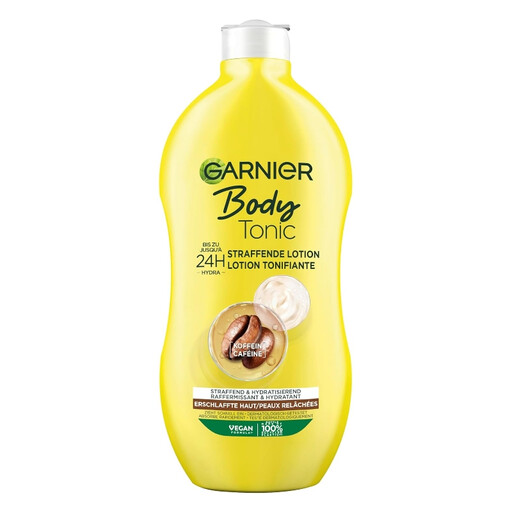
Why this product suits this profile: The 400 ml bottle is a good option if you’re looking for a firming body lotion for larger areas and want to take pack size into account.
The larger size makes it easier to plan regular use than a small specialist concentrate.
400 ml, with glycerin and caffeine listed in the INCI; described as a lotion for daily body use.
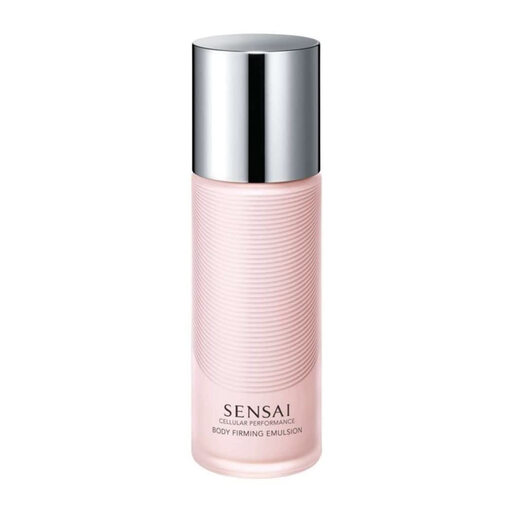
Why this product suits this profile: This silky emulsion is designed to care for the thighs, arms, hips and waist, and is described as suitable for different skin types.
The product information names specific areas of the body and provides a full ingredients list, including declared fragrance ingredients.
200 ml, a creamy emulsion, with care guidance for normal, dry and very dry skin.
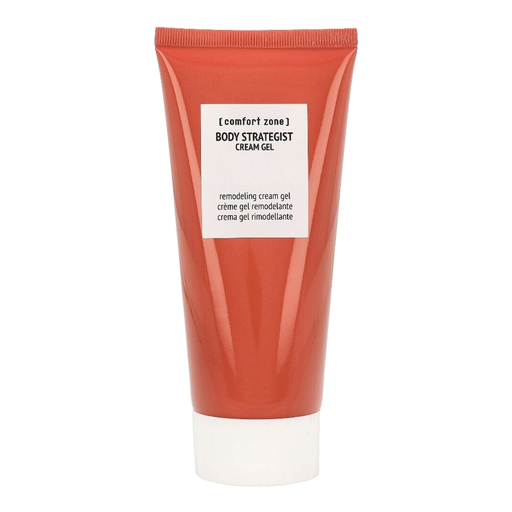
Why this product suits this profile: According to the product description, this gel-cream is designed for areas such as the thighs, bottom, hips and stomach, and should be applied morning and evening.
The instructions specify the areas of the body, how often to apply it and precautions, including avoiding irritated or broken skin.
200 ml, a gel-cream texture, with caffeine, carnitine and plant extracts listed in the INCI.
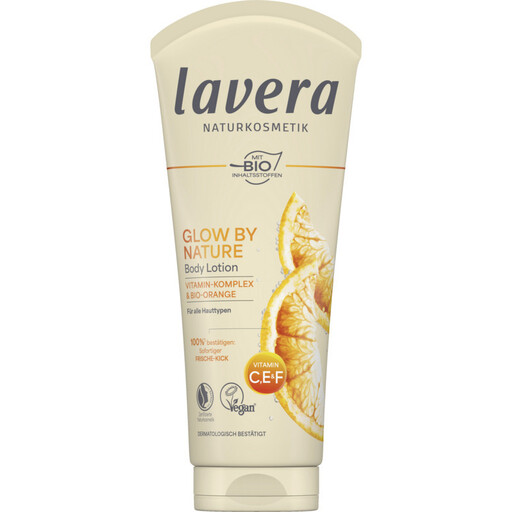
Why this product suits this profile: This lotion is described as suitable for all skin types and daily use. It combines moisturising care with a light texture that absorbs quickly.
The product description clearly explains how to use it, which skin types it suits, its texture and the precautions to take. Check the INCI list against the packaging before buying.
200 ml, with aloe vera, shea butter and vitamin C-, vitamin E- and vitamin F-related ingredients, according to the product information.
We’ve put together a complete, regularly updated list of products that meet these strict selection criteria and fully comply with the safety regulations in force in the EU.
Apply the desired amount to clean, dry skin and massage it in using gentle circular motions. According to the manufacturer’s instructions, products for cellulite or targeted contouring may require a longer massage. Don’t apply the cream to broken, inflamed or irritated skin. Avoid contact with the eyes and mucous membranes.
If you have sensitive skin, it’s a good idea to test the product on a small area first. Stop using it if you experience any discomfort. If skin changes persist, symptoms are severe or you’re unsure about any of the ingredients, seek medical advice.
It depends on the product. Many lotions are designed for daily use, while some concentrates should be applied morning and evening. Follow the instructions on the packaging and product page. Applying more won’t automatically give you better results.
Check the PAO symbol on the packaging, such as “12M”, which means the product can be used for twelve months after opening. You should also check the minimum durability date, batch number and storage instructions. Heat, direct sunlight and moisture can affect product quality.
A cosmetic cream can moisturise your skin and temporarily affect how it feels or looks. However, cellulite is influenced by several factors. So an anti-cellulite cream should be seen as part of your body care routine, not as a guaranteed way to get rid of orange-peel skin.