
Lieferung heute & morgen

Qualitätsgarantie

Willkommens-Angebote freischalten: KOSTENLOSE Lieferung | Bis zu 80 % RABATT | Kostenlose 30-Tage-JoyPlus-Testphase
App herunterladen
Dry or rough skin, an uncomfortable tight feeling after showering, or the desire for a pleasant fragrance: the demands on a body lotion vary. At the same time, many product promises sound similar. Terms like “24-hour moisture”, “firming” or “natural” sound clear, but on their own they say little about how suitable a product actually is for your skin.
This buying guide will help you interpret the key information on the packaging and choose a suitable body lotion for everyday use.
A stated duration of effectiveness, such as 24, 48 or 72 hours, is usually a product claim based on manufacturer data or a specific application study. It does not automatically apply to every skin type or daily situation. Frequent showering, dry heating air or cold weather can change your skin’s care needs.
For a moisturising body care product, it is therefore worth checking the INCI list. Glycerin, urea, panthenol, aloe vera or hyaluronic acid are commonly used in moisturising formulations. Fats and oils such as shea butter, sunflower oil or coconut oil can complement the texture and skin feel.
A firming body lotion can make your skin look smoother or more cared for after application. However, this does not result in a permanent change to the skin’s structure. With products containing caffeine, plant extracts or pro-collagen minerals, you should check the specific product description and the ingredient list, rather than relying solely on the marketing term.
A scented body lotion or a formula with essential oils can offer a pleasant care experience. However, fragrance ingredients such as limonene, linalool, citral or geraniol can be relevant for sensitive individuals. “Natural” does not automatically mean non-irritating. If you have sensitive skin, you should opt for a sensitive body lotion with a formulation that is as simple, low-fragrance or fragrance-free as possible.
For normal skin, a light lotion that spreads easily is often sufficient. For dry or rough skin, richer textures with glycerin, shea butter, urea, panthenol or nourishing oils can be a good choice. Very rich formulations may feel less pleasant on warm days or if you have an oily skin feel.
Products such as a body lotion for dry skin or a body milk should ideally be applied after showering to slightly damp skin. This helps the application spread evenly; the manufacturer’s specific recommendation remains key.
In the EU, ingredients are listed in descending order of concentration. A look at the first few positions shows which components form the basis of the formulation. Glycerin, for example, often indicates a moisture-binding component, while mineral oils, silicones, plant oils or waxes can influence the skin feel and protective function.
If you have known intolerances, you should check the full ingredient list on the packaging. The information can change depending on the recipe or batch. Therefore, the physical product packaging is always definitive.
A body lotion 400 ml is suitable for regular full-body care and should be considered in relation to its yield. Pump bottles make dosing easier, while smaller 200 ml or 236 ml sizes can be practical for travel or trying out a fragrance.
Additionally, pay attention to the best-before date or the PAO symbol (Period After Opening) on the packaging. Cosmetic products should be stored in a dry, cool place away from direct sunlight.
The following recommendations classify specific products according to skin needs, application situation and formulation. They do not constitute medical advice.
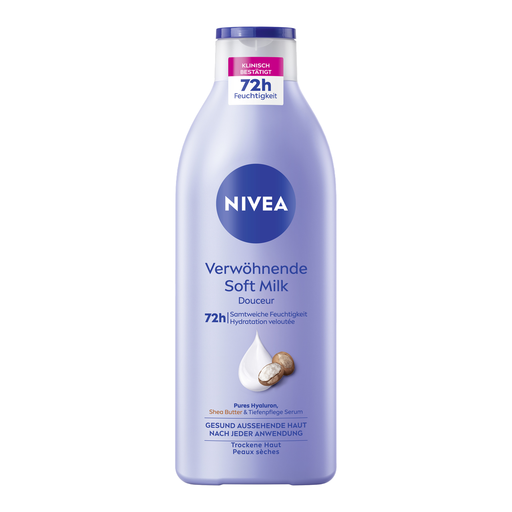
Why this product fits the profile: The 400 ml size is designed for daily full-body care. According to the product description, the lotion contains hyaluronic acid, shea butter and Deep Moisture Serum, among other ingredients.
The straightforward product size makes it easy to compare quantities. The manufacturer also highlights a non-greasy, fast-absorbing texture.
400 ml content; formulation with hyaluronic acid and shea butter; according to the supplier, dermatologically tested for skin tolerance.
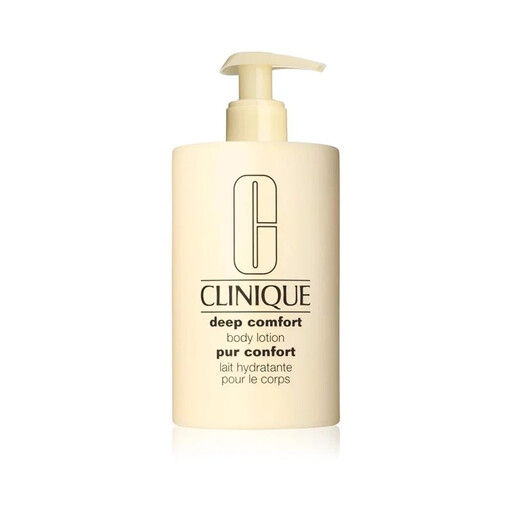
Why this product fits the profile: According to the product description, this body lotion is fragrance-free and intended for dry and sensitive skin. The 400 ml pump bottle is designed for regular use.
The absence of fragrance reduces a common selection error for sensitive skin. However, the full INCI list should still be checked before purchase.
Fragrance-free formulation according to the supplier; 400 ml content; with aloe vera juice, panthenol, glycerin and sodium hyaluronate.
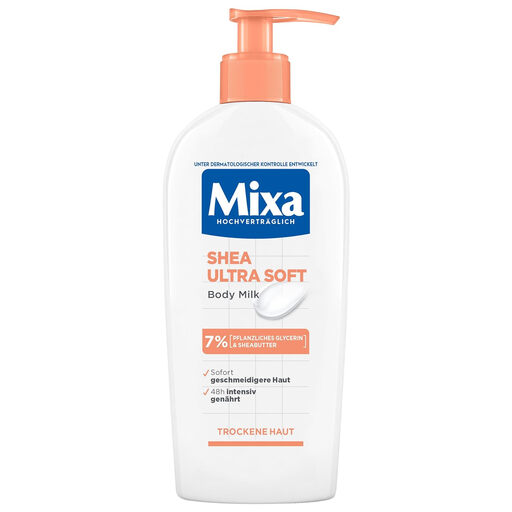
Why this product fits the profile: According to the product description, this body milk is formulated for dry and rough skin. Shea butter, glycerin and petrolatum are among the listed ingredients.
The stated target group of “dry, rough skin” is more specific than a general care promise. Fragrance ingredients are included in the INCI list and should be considered if you have sensitivities.
250 ml content; pump bottle according to the product description; richer components such as shea butter and petrolatum.
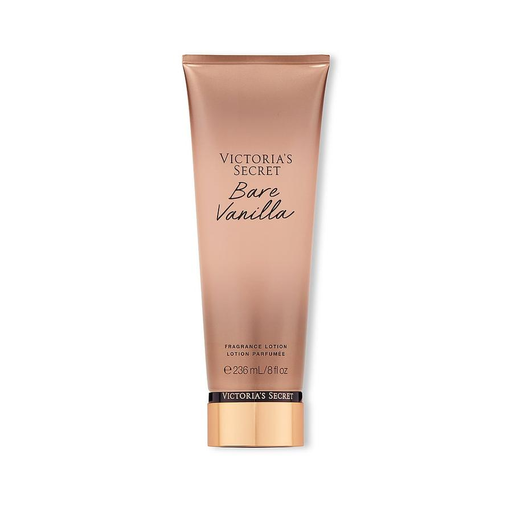
Why this product fits the profile: This lotion is aimed at shoppers who want to combine body care with a warm vanilla fragrance. The 236 ml size is also suitable for rotating fragrance collections.
The fragrance character is specifically described with notes of vanilla, cashmere and apple blossom. If you do not tolerate fragrance ingredients well, you should check the stated INCI list before use.
236 ml content; light texture according to the product description; vitamin E and aloe vera extract in the stated formulation.
We have compiled a complete, regularly updated list of products that fully meet these strict selection criteria and the safety regulations in force in the EU.
A richer body lotion with glycerin, urea, shea butter, panthenol or nourishing oils can be suitable for dry skin. If you have severe or persistent skin irritation, the cause should be checked by a doctor. A cosmetic description does not replace medical advice.
This depends on your skin feel and individual care needs. Many products are intended for daily use, especially after showering or bathing. A thin, even layer is usually sufficient; the specific dosage depends on the product texture and the manufacturer’s instructions.
The key indicator is the open-jar symbol on the packaging, for example “12M”. It indicates the recommended period of use after opening. Additionally, you should observe the smell, colour and consistency. If you notice any unusual changes, you should stop using the product.