
Lieferung heute & morgen

Qualitätsgarantie

Willkommens-Angebote freischalten: KOSTENLOSE Lieferung | Bis zu 80 % RABATT | Kostenlose 30-Tage-JoyPlus-Testphase
App herunterladen
A body lotion is a staple in many women’s daily skincare routines. Yet choosing the right one isn’t always straightforward: between body lotion, body cream, body butter and fragranced body lotion, the texture, scent intensity, skin feel and pack size can vary significantly. If you buy based on brand name or marketing claims alone, you might end up with a product that doesn’t suit your skin type or intended use.
This buying guide explains what really matters when it comes to hydrating body care and which options could work well for different needs in everyday life.
A thick body cream or body butter often feels particularly nourishing. However, for normal skin or morning use, it can be too slow to absorb. If you want to get dressed straight after showering, a lighter lotion is usually a better choice.
Conversely, a very light body lotion may not feel sufficiently comfortable on very dry areas like elbows, knees or shins. The texture should therefore match your skin’s condition and the time of day.
A fragranced body lotion can prolong the scent experience and layer well with eau de parfum or body spray. However, the fragrance alone says nothing about the moisturising performance. If you have sensitive skin, you should pay close attention to the ingredients list and any potential fragrance allergens.
A 400 ml body lotion offers more product than a 200 ml body lotion. That can be practical for daily full-body use. But what really matters is the price per 100 ml and how much you actually use. A smaller pack is better for travel or trying out a new scent.
For normal to dry skin, light to medium lotions are suitable. Ingredients such as glycerin, plant oils, shea butter or panthenol are commonly used in formulations for dry skin care. For very dry skin, a richer body cream or body butter may feel more comfortable.
The term “firming body lotion” should be taken with a pinch of salt. Such products can improve skin feel and suppleness. However, a cosmetic lotion is not a substitute for medical treatment and should not be mistaken for a permanent physical change.
Before buying, it’s worth checking the INCI list. Commonly used humectants include glycerin or xylitol derivatives. Shea butter and plant oils can make the formulation richer. Fragranced products may contain substances such as limonene, linalool, citronellol or geraniol.
If you are prone to skin reactions, first apply a small amount to a limited area of skin. If redness, burning or itching occurs, stop using the product. For all products: for external use only, avoid contact with eyes and follow the instructions on the packaging.
A lotion for daily use should be easy to dispense and spread well after showering. Typical sizes range from 150 ml to 500 ml:
The best way to apply body lotion is on clean, slightly towel-dried skin. Particularly dry areas may need a second thin layer. With fragranced products, be careful not to overdo the combination with a matching body spray or eau de parfum.
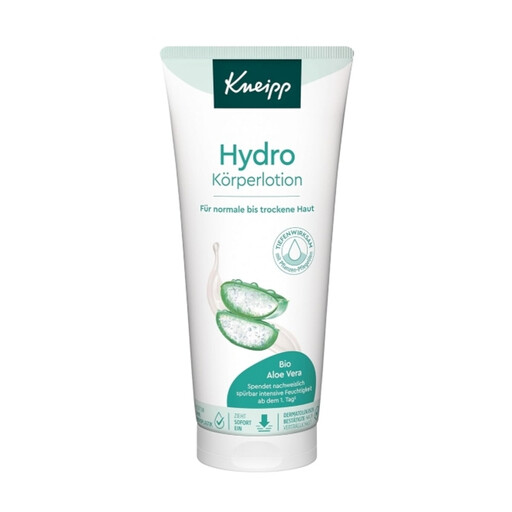
Why This Fits Their Persona: A handy size for daily care of normal to dry skin, for example after showering or for holidays.
The lotion is described as easy to apply, avoiding an unnecessarily heavy texture for everyday use. Fragrances are listed in the ingredients.
200 ml content; contains glycerin, shea butter, coconut oil and panthenol according to product information; intended for daily body care.
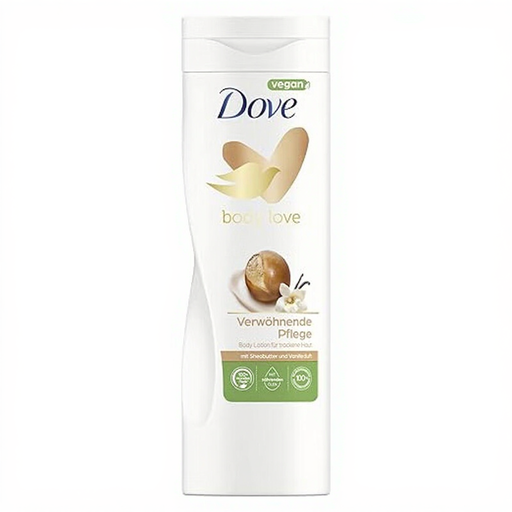
Why This Fits Their Persona: The larger bottle suits regular full-body care and dry skin that needs frequent moisturising.
The 400 ml size reduces the need for frequent repurchasing. The richer formulation is better suited to dry skin than a purely lightweight summer lotion.
400 ml content; according to the product description, contains shea butter, nourishing oils and plant-based humectants.
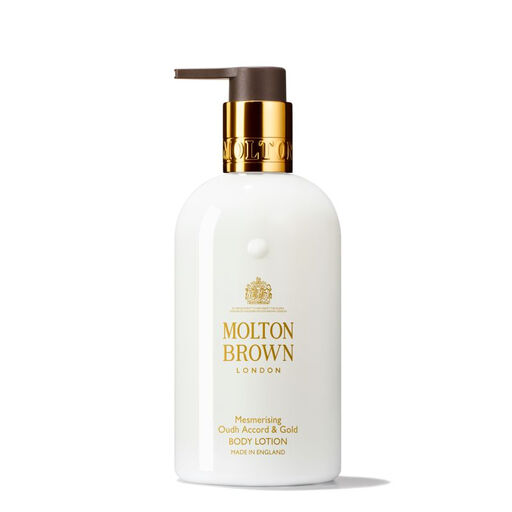
Why This Fits Their Persona: An option for customers who want to combine luxurious body care with a distinctive fragrance and enhance their scent layering.
The fragrance ingredients are clearly listed in the product description and ingredients list. If you have sensitive skin, test carefully before applying to large areas.
300 ml content; according to the INCI list, contains glycerin, shea butter, Abyssinian oil and sodium hyaluronate.
In the full category you’ll find a current selection of body care products for different skin types, textures, sizes and fragrance profiles.
For normal skin, once after showering or bathing is usually enough. Dry skin can be cared for morning and evening as needed. The optimal amount depends on the texture and the size of the body areas.
The best-before date and the symbol for shelf life after opening on the packaging are what matter. If the smell, colour or consistency changes noticeably, stop using the product. Direct sunlight and strong heat can affect the formulation.
A body butter is usually richer and can be suitable for particularly dry areas. A lotion generally absorbs more easily and is more practical for larger areas and daily use. What matters most is the specific formulation, how it feels on your skin and your personal tolerance.