
Lieferung heute & morgen

Qualitätsgarantie

Willkommens-Angebote freischalten: KOSTENLOSE Lieferung | Bis zu 80 % RABATT | Kostenlose 30-Tage-JoyPlus-Testphase
App herunterladen
Body lotion is part of many people’s daily skincare routine. However, the wide range of options does not automatically make it easy to choose the right product. Terms such as “intensive moisture”, “repair” or “for sensitive skin” often describe only part of a product’s properties. Your skin type, the ingredients, how you plan to use it, the pack size and your personal fragrance preferences are all important factors.
“Intensive moisturising care” alone says little about what provides the moisturising effect. Glycerin, urea, shea butter, petroleum jelly, oils and ceramides all perform different functions. Glycerin and urea, for example, are often used as moisture-binding ingredients, while oily components can help keep the skin’s surface supple.
That is why you should check the complete ingredients list (INCI) rather than just the front of the packaging. The formulation may vary depending on the product version or batch.
Scented body milk can enhance the skincare experience. However, fragrances may be undesirable for sensitive or reactive skin. Essential ingredients and fragrance allergens that must be declared should also be checked before buying.
An unperfumed body lotion is therefore a straightforward option for anyone wishing to avoid fragrances. If you have a known intolerance, it is also advisable to test the product carefully on a small area of skin first.
Body lotion is not automatically suitable as a face cream. Facial skin may have different requirements when it comes to texture, oil content and ingredients. A mattifying moisturiser for combination or oily skin, for example, differs from a rich lotion for very dry areas of the body.
Sun protection such as SPF 30 does not replace universal body care either. It is intended for the specific use stated on the product and should be used in accordance with the product information.
First, identify your main skincare goal:
Checking the INCI list helps when comparing products. In a body lotion with shea butter, “Butyrospermum Parkii Butter” appears in the ingredients list. Urea is listed as “Urea”, while ceramides may be listed as “Ceramide NP”, for example. Fragrances may include Limonene, Linalool or Citronellol.
“Dermatologically tested” describes testing under specific conditions, but it is not a guarantee of personal compatibility. If you experience skin problems, persistent redness or discomfort, stop using the product and seek medical advice if necessary.
The size affects the price per 100 millilitres. A 400 ml body care product is suitable for regular full-body use and often reduces the need for frequent repurchases. Smaller sizes may be more practical for facial skincare, travel or trying out a formulation.
A fast-absorbing body lotion works well in everyday life if you want to get dressed straight after showering. Richer products may need more time to absorb, but can feel more comfortable on rough areas.
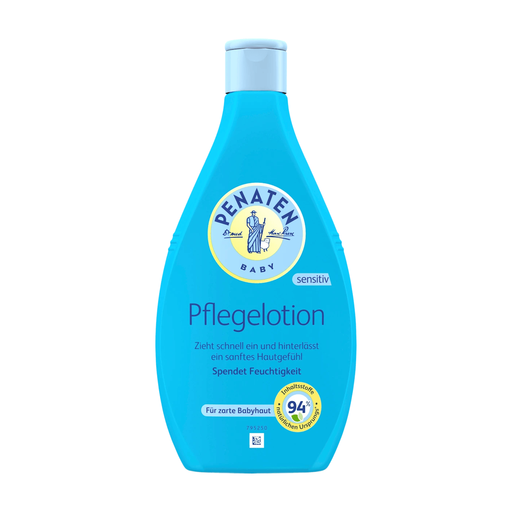
Why this product suits this profile: The 400 ml size is designed for regular household use. According to the product information, the lotion is suitable from one month of age and is free from preservatives and colourants.
The product description provides key details about the recommended age, quantity and external use, rather than relying only on a general skincare claim.
400 ml contents, fast absorption according to the product information and dermatologically tested skin compatibility.
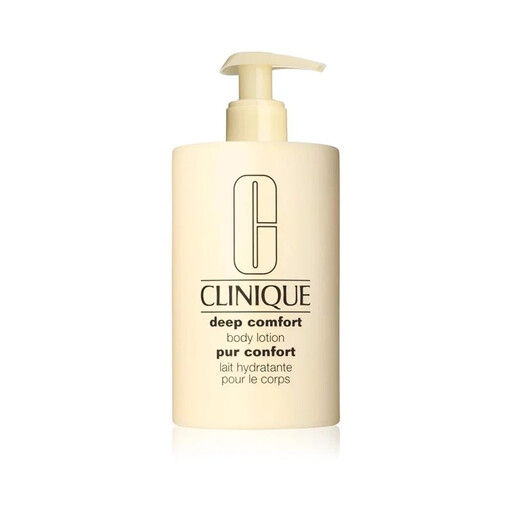
Why this product suits this profile: According to the product information, this lotion is intended for dry and sensitive skin. It is described as unperfumed and comes in a 400 ml pump bottle.
The “100% fragrance-free” claim and the stated pump-bottle format make two important comparison points clear: avoiding fragrance and ease of everyday use.
Fragrance-free formulation according to the product description, 400 ml contents and a texture described as fast-absorbing.
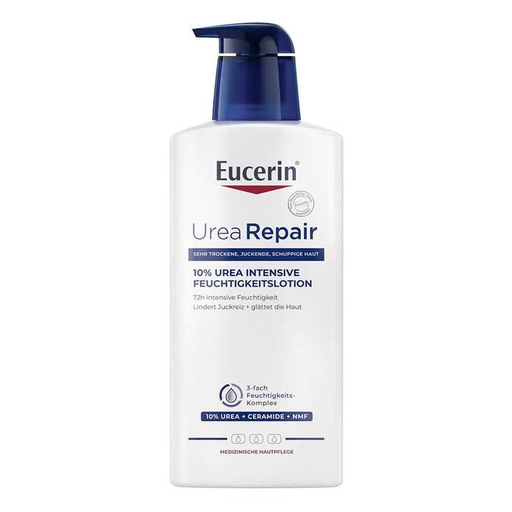
Why this product suits this profile: According to the product information, this body lotion is intended for very dry, rough and tight-feeling skin. The 10% urea formulation is suitable for buyers specifically looking for richer skincare.
The stated urea content enables a more specific comparison than broad claims such as “extra nourishing”. The product description also mentions ceramides and natural moisturising factors.
10% urea, 400 ml contents and, according to the product information, a rich, fast-absorbing texture for body care.
Why this product suits this profile: This scented lotion combines body care with a fragrance featuring moonflower and musk. It is suitable for people who see fragrance as part of their daily routine.
The fragrance profile is described in specific terms, making it easier to judge before buying whether a scented lotion matches your personal preferences.
Lightweight, fast-absorbing texture according to the product information and a clearly recognisable fragrance composition.
We have put together a complete, regularly updated list of products that fully meet these strict selection criteria and the safety regulations applicable in the EU.
Ideally, apply body lotion after showering or bathing, while your skin is still slightly damp. This helps you spread it more evenly. Dry areas such as elbows, knees and heels can be given more targeted care as needed.
When using a new lotion for dry skin or a lotion for very dry skin, start with a small amount. Stop using the product if you experience burning, itching, redness or any other reaction. Products for babies should only be used in accordance with the relevant age and safety instructions.
It depends on how your skin feels and your skincare goal. If you have dry skin, daily use after washing is a sensible approach; with normal skin, applying lotion as needed may be sufficient. Always follow the instructions on the packaging and consider your personal tolerance.
Only if the product is specifically labelled for facial use. Face creams and moisturisers often take different requirements into account than body lotions. For combination skin, for example, a mattifying face cream with a lightweight texture may be more suitable.
Check the open-jar symbol showing the period after opening, as well as the best-before or expiry date on the packaging. If the smell, colour or consistency changes, stop using the product. Store lotions in a dry, cool place away from direct sunlight.