
Lieferung heute & morgen

Qualitätsgarantie

Willkommens-Angebote freischalten: KOSTENLOSE Lieferung | Bis zu 80 % RABATT | Kostenlose 30-Tage-JoyPlus-Testphase
App herunterladen
Dry skin after showering, rough patches on the elbows and knees, or a fragrance that fades after only a short time: choosing a body lotion involves more than the brand name and packaging design. The right body lotion should suit your skin type, preferred texture and daily routine.
Claims such as “24-hour moisturisation”, “firming” or “quickly absorbed” should also be viewed objectively. They do not automatically mean that every product is suitable for every skin type. The key factors are the ingredients, product size and directions for use on the packaging.
A fragranced body lotion can smell pleasant and make application a regular part of your body-care routine. However, fragrance does not replace moisturising ingredients. If you want to care for dry or sensitive skin, you should also look for ingredients such as glycerin, shea butter, plant oils or occlusive ingredients.
Fragrances or fragrance allergens that must be declared can be problematic for sensitive skin. Examples include Limonene, Linalool, Geraniol and Citral. The complete INCI list on the product is the deciding factor, as formulations can change.
A firming body lotion can make the skin appear smoother through moisturisation. Products containing caffeine, algae extracts or certain conditioning ingredients are often marketed as creating a firmer-looking complexion. However, this should not be taken to mean a permanent or medical result.
When choosing a product, it is helpful to distinguish between moisturising care, how the skin feels and its cosmetic appearance. According to the product description, the Garnier Body Tonic Lotion contains caffeine and algae extract, among other ingredients. The term “firming” remains a cosmetic product characteristic and should not be equated with a therapeutic effect.
A 400 ml body lotion is often well suited to regular use at home. For travelling or trying out a product range, 200 to 250 ml can be more practical. A large pump bottle may be convenient in the bathroom, but it takes up more space in your luggage.
It is also worth checking the packaging: a pump dispenser makes it easier to dispense the right amount, while tubes and smaller bottles can be more convenient when you are out and about.
For normal skin, a lightweight lotion or body milk with humectant ingredients is often sufficient. For dry, rough skin, richer formulas containing glycerin, shea butter, petroleum jelly, mineral oil or plant oils may be a suitable choice. They can help reduce moisture loss from the skin’s surface.
If you are looking for a lotion for dry skin, consider the following:
If you experience redness, persistent itching or damaged skin, stop using the product and seek medical advice if necessary.
A lightweight body milk spreads quickly and is a good choice if you want to apply your skincare immediately before getting dressed. A rich body lotion often feels more nourishing, but it may remain on the skin for longer. This can be desirable on dry areas or during the colder months.
The term “quickly absorbed” is not subject to a uniform standard. The specific texture, amount applied and your personal skin feel are therefore the factors that matter.
A fragranced body lotion is suitable for people who want to combine body care with fragrance. If you have known intolerances, check the ingredients list. A lotion described as “allergy tested” or “dermatologically tested” is not automatically suitable for everyone. Even if you have sensitive skin, it is advisable to test the product on a small area first.
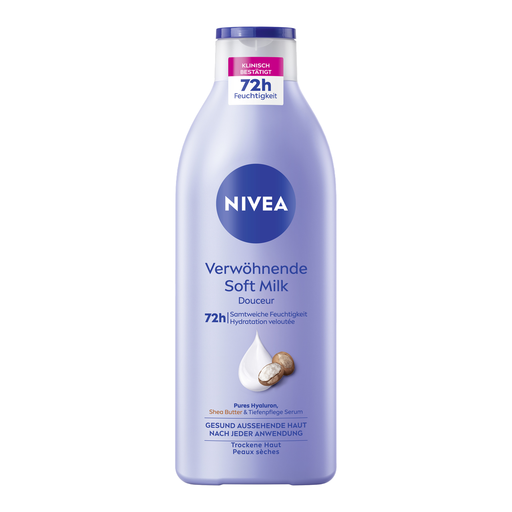
Why this product suits this profile: The 400 ml size is designed for regular body care at home. According to the product description, the body milk contains shea butter, hyaluronic acid and a moisturising serum, among other ingredients.
The choice is based not only on fragrance, but also on the stated size and the moisturising ingredients described.
400 ml contents, a non-greasy texture according to the manufacturer and shea butter in the formula.
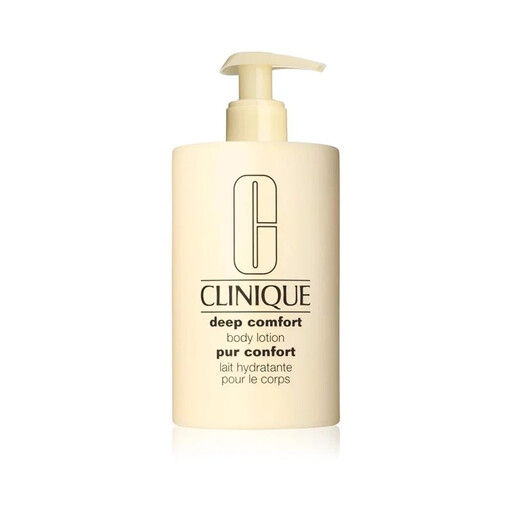
Why this product suits this profile: The body lotion is described as 100% fragrance-free and allergy tested. This makes it suitable for people who prefer to avoid fragrances in their body-care routine.
The choice takes the stated absence of fragrance into account, rather than equating a strong perfume with skincare quality.
400 ml contents, a fragrance-free product description and a texture stated to be lightweight and quick to absorb.
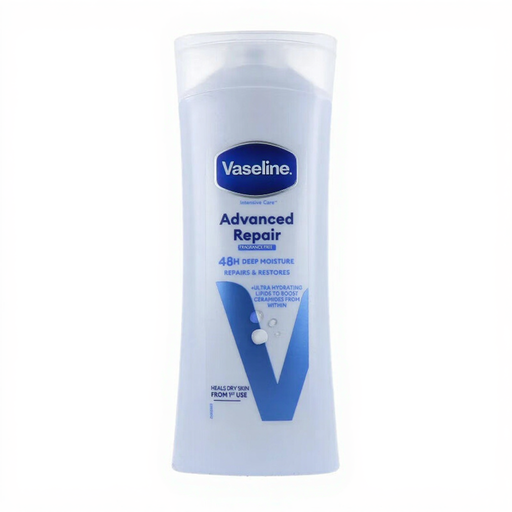
Why this product suits this profile: The formula is described as being suitable for very dry skin and contains petroleum jelly, shea butter, glycerin and sunflower oil. The 400 ml bottle is suitable for frequent use.
The choice is based on the specific conditioning ingredients listed, rather than solely on claims such as “regenerating”.
Petroleum jelly, shea butter and glycerin according to the INCI list; 400 ml contents and directions for daily care.
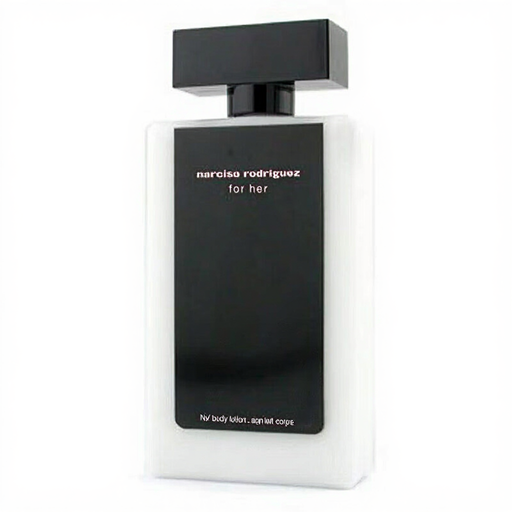
Why this product suits this profile: The 200 ml size is manageable, and the formula contains glycerin, shea butter and fragrance according to the product information. It is suitable for people who want to combine body care with a coordinated fragrance.
The selection explicitly highlights fragrance allergens such as Limonene, Linalool and Geraniol, so that the INCI list can be checked before purchase.
200 ml contents, glycerin and shea butter according to the ingredients list, plus a clearly stated fragrance experience.
We have put together a complete, regularly updated list of products that fully meet these strict selection criteria and the safety regulations applicable in the EU.
The best time to apply body lotion is straight after showering or bathing, when the skin has been gently towel-dried. This allows the lotion to be spread evenly. Particularly dry areas such as the shins, elbows, knees and heels may need a little extra product.
These steps can make body care easier to fit into your daily routine:
A rich body lotion containing glycerin, shea butter, petroleum jelly or plant oils may be suitable for very dry skin. Individual tolerance remains crucial. If the skin is severely irritated or damaged, do not use a cosmetic lotion without consulting a medical professional.
No. The term “sensitive skin” does not automatically mean that a formula contains no fragrance. If you want to avoid fragrance, look specifically for a fragrance-free body lotion and check the current INCI list.
The PAO symbol on the packaging is the key guide, for example an open-jar symbol showing a number of months. If the smell, colour or consistency changes, stop using the product. Storing it in a cool, dry place and closing it after every use can help maintain product quality.