
Lieferung heute & morgen

Qualitätsgarantie

Willkommens-Angebote freischalten: KOSTENLOSE Lieferung | Bis zu 80 % RABATT | Kostenlose 30-Tage-JoyPlus-Testphase
App herunterladen
Dry skin, rough patches or a feeling of tightness after showering often lead people to look for the right body lotion. However, an appealing fragrance, big promises on the packaging or phrases such as “24-hour moisture” alone reveal little about whether a body lotion suits your skin type and daily routine.
A lightweight lotion can feel pleasant and absorb quickly without being enough for very dry skin. Conversely, a particularly rich formula may feel sticky on normal skin or make getting dressed immediately after applying it more difficult. What matters is therefore skin condition, texture and skincare goal, not just the phrase “intensive moisture”.
A lotion for sensitive skin may still contain fragrances or essential oils. Product INCI lists may include ingredients such as Parfum, Limonene, Linalool or Citral. These ingredients are not automatically problematic, but if you have known sensitivities or fragrance intolerance, they should be checked before buying.
A firming body lotion can smooth the skin’s feel or make it feel more supple through regular use. However, this does not mean a permanent change to the shape of the body. With these products, shoppers should look for specific information about ingredients, application and texture rather than relying solely on advertising claims.
For dry or rough skin, humectants such as Glycerin, Urea or Hyaluronic Acid are interesting ingredients. Richer formulas often also contain oils, shea butter, petroleum jelly or silicones. A body lotion for dry skin should prove effective on particularly dry areas such as elbows, knees and heels.
For normal skin, a lightweight, fast-absorbing body lotion may be sufficient. If you only notice a slight feeling of tightness after showering, you do not necessarily need a highly occlusive moisturiser.
In the European Union, the ingredients list is arranged in descending order by quantity. Ingredients at the beginning of the list have a greater influence on the formula than those at the end. Look out for:
Formulas can change. The INCI list on the packaging delivered to you is therefore always the definitive reference.
200 ml is suitable for targeted daily care or trying out a product. 400 to 500 ml is more practical for frequent users and full-body care. A fast-absorbing body lotion is particularly well suited to mornings when you get dressed straight after applying it. A nourishing body milk with a richer texture is more suitable for an evening routine or dry areas of the body.
The most effective time to apply it is after showering, when the skin has been lightly towel-dried. This helps you spread the body care product evenly. When trying a new product, it is advisable to test it on a small area first. Stop using it if redness, stinging or itching occurs.
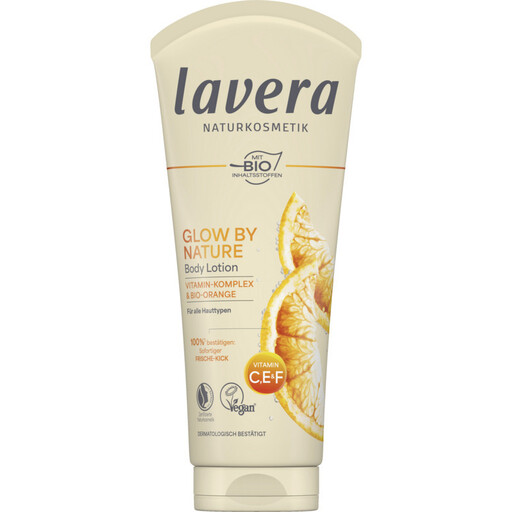
Why this product suits the profile: The 200 ml size is manageable, while the fast-absorbing, non-greasy texture described in the product information is suitable for daily body care.
The product description states both the texture and the nourishing ingredients. You can also check the complete INCI list before buying; fragrances from essential oils are listed.
200 ml, shea butter and aloe vera juice in the stated formula; according to the product information, with vitamins C, E and F.
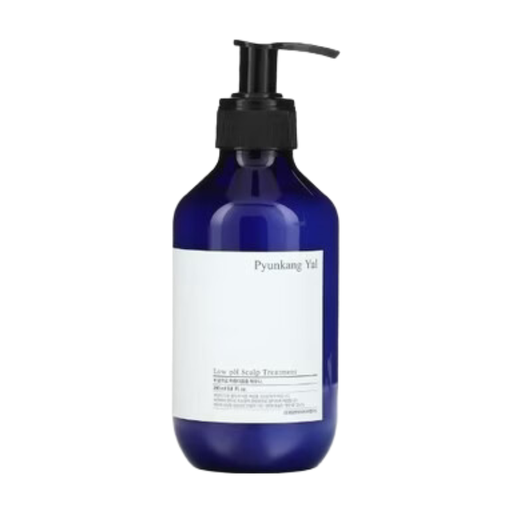
Why this product suits the profile: The large 500 ml bottle is designed for regular use on the face and body and, according to the INCI list, contains several types of ceramide.
Rather than making vague moisture claims, the INCI list offers specific points to check: Ceramide NP, NS, AS, EOP and AP, as well as Glycerin and Sodium Hyaluronate.
500 ml contents; suitable for use on the face and body according to the product information; ceramides, phytosphingosines and cholesterol in the stated formula.
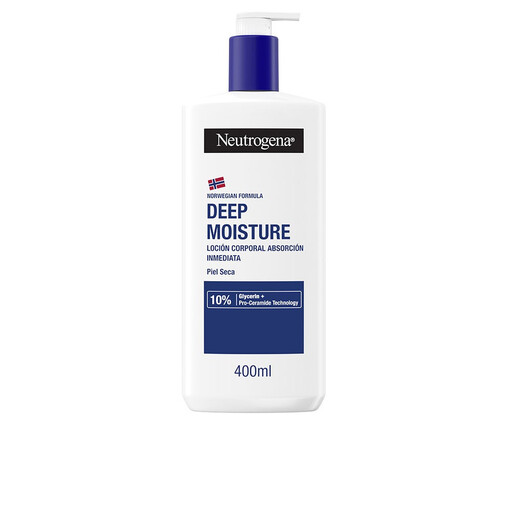
Why this product suits the profile: The 400 ml size is suitable for regular full-body care. According to the product description, the lotion is intended for dry skin and has a lightweight texture.
The description states the intended skin types, the capacity and how quickly the lotion absorbs. The fragrance it contains can be identified in the INCI list.
400 ml contents; Glycerin, Mineral Oil, Petrolatum and Dimethicone according to the stated INCI list; suitable for use all over the body.
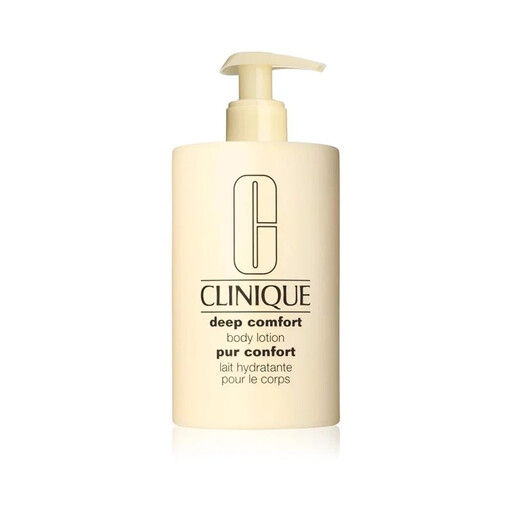
Why this product suits the profile: The product description highlights a fragrance-free formula and a lightweight, fast-absorbing texture. This may appeal to users who want to avoid fragrances in their everyday routine.
The “fragrance-free” claim clearly distinguishes the product from fragranced lotions. Even so, you should take the current packaging information and your own skin’s tolerance into account.
400 ml contents; fragrance-free according to the product information; Glycerin, Panthenol, aloe vera juice and Sodium Hyaluronate in the stated formula.
We have put together a complete, regularly updated list of products that fully meet these strict selection criteria and the safety regulations applicable in the EU.
For normal to dry skin, applying lotion daily after showering is a practical routine. Particularly dry areas can be moisturised more often if needed. The specific application instructions depend on the product description and how your skin feels.
Look for the PAO symbol on the packaging, such as “12M” or “24M”. It indicates how many months the product should be used for after opening. The best-before date and batch number on the packaging are also important. Changes in smell, colour or consistency indicate that the lotion should no longer be used.
First, check whether the formula contains fragrances. For dry skin, Glycerin, Urea, ceramides and rich lipids may be beneficial. A fragrance-free lotion may be a suitable choice for fragrance-conscious shoppers. If skin problems persist, body care is not a substitute for dermatological advice.