
Lieferung heute & morgen

Qualitätsgarantie

Willkommens-Angebote freischalten: KOSTENLOSE Lieferung | Bis zu 80 % RABATT | Kostenlose 30-Tage-JoyPlus-Testphase
App herunterladen
Body lotion is part of many people’s daily skincare routine. Even so, choosing the right product is not always easy: packaging often features terms such as “24-hour moisture”, “firming”, “natural ingredients” or “Repair”. However, these claims do not automatically indicate whether a body lotion meets your individual needs.
If you want to avoid unnecessary purchases, look out for these three common pitfalls before buying:
For normal skin, a light lotion that spreads evenly and absorbs quickly is often sufficient. For dry or rough skin, ingredients such as glycerin, shea butter, plant oils or urea are typical components of moisturising body care.
A urea body lotion can vary in richness depending on its concentration. Lower concentrations are often used for dry skin, while higher concentrations may be more suitable for rough or thickened areas of skin. If your skin is irritated, damaged or affected by a condition, consult a dermatology professional when choosing a product.
The full INCI list on the packaging shows which ingredients are actually included. It is worth checking for:
Formulations can change. The ingredients list on the product actually delivered should therefore always be taken as the definitive reference.
Body lotion is easiest to apply straight after showering or bathing, while the skin is still slightly damp. This helps you spread the product evenly. Dry areas such as shins, knees, elbows or heels often need more product than less exposed areas of skin.
For everyday use, quick-absorbing, non-greasy formulations are practical when you need to get dressed immediately afterwards. Rich lotions or body creams are better suited to evening skincare routines and particularly dry areas.
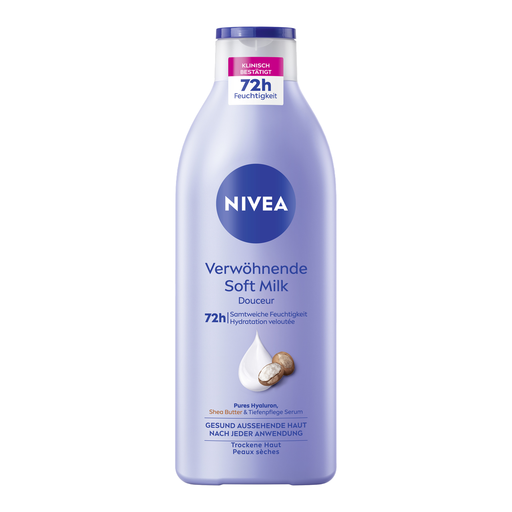
Why this product suits this profile: The 400 ml size is suitable for regular full-body care. According to the product description, the formula contains hyaluron, shea butter and a Deep Moisture Serum.
The product details describe a non-greasy, quick-absorbing texture. This makes daily use easier, but does not replace checking the current INCI list.
400 ml contents; shea butter and hyaluron according to the manufacturer’s information; dermatologically confirmed skin tolerance according to the product description.
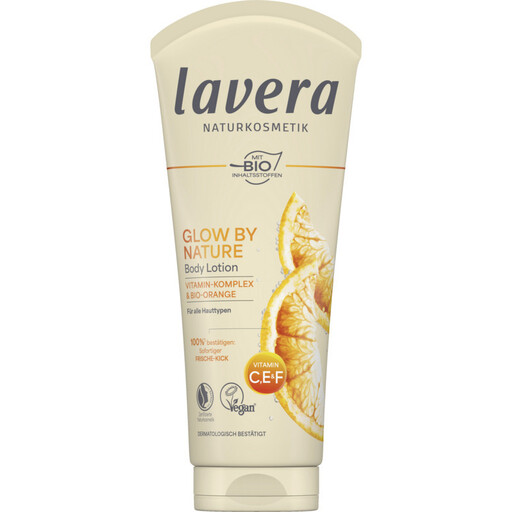
Why this product suits this profile: This 200 ml vegan natural cosmetics body lotion is aimed at people who prefer plant-based ingredients and a fresh orange scent.
The term “Glow” is supported by specific details about vitamins C, E and F, as well as the texture. According to the product description, the orange scent comes from natural essential oils.
Vegan; 200 ml; organic shea butter and organic aloe vera according to the product information; quick-absorbing texture.
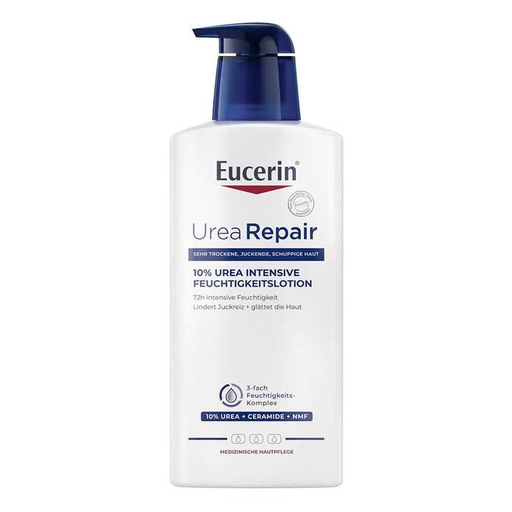
Why this product suits this profile: This 400 ml emulsion is designed for very dry, rough and tight-feeling skin. It contains 10% urea, ceramides and natural moisturising factors, according to the product information.
The product’s care benefits are not promoted simply with the term “Repair”; they are supported by the stated urea concentration and ceramides. If your skin is irritated, test the product on a small area first to check tolerance.
10% urea; ceramides and glycerin according to the INCI list; 400 ml contents; rich texture that the supplier says absorbs quickly.
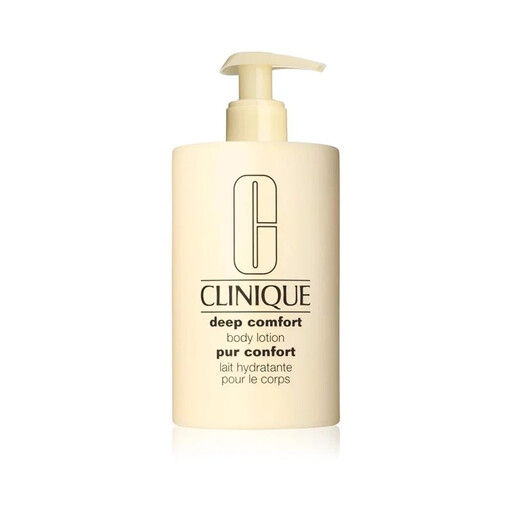
Why this product suits this profile: According to the product description, this lotion is fragrance-free and intended for dry and sensitive skin. The 400 ml pump bottle is designed for daily use.
Its suitability for sensitive skin is described as “100% fragrance-free” and supported by an allergy-tested formula. The current packaging information remains decisive when checking the ingredients.
Fragrance-free according to the supplier; 400 ml; aloe vera juice, glycerin and panthenol according to the ingredient information.
We have put together a complete, regularly updated list of products that fully meet these strict selection criteria and the safety regulations applicable in the EU.
Apply the lotion after cleansing and spread it using gentle movements. When trying a new formulation, it is advisable to test it on a small area first. If redness, burning or itching occurs, stop using the product. Keep products away from the eyes and do not apply them to damaged skin.
Shelf life depends on the printed best-before date or the symbol indicating the period of use after opening. Close the bottle after every use and store it in a dry place, protected from direct sunlight and excessive heat.
For normal skin, applying lotion after showering is often enough. Dry skin can be moisturised more frequently as needed. The key factor is whether your skin feels comfortable and sufficiently moisturised after application.
Body milk is usually lighter and is suitable for larger areas and daily use. A classic body lotion generally sits between a light milk and a rich cream. Body cream is usually denser and is well suited to very dry areas or evening skincare. The right choice depends on your skin type, the time of year and your personal preference.
Check the open-jar symbol on the packaging, for example “12M”, which means twelve months after opening. Changes in smell, colour or consistency may indicate that the product is no longer suitable for use. The information on the packaging of the individual product takes precedence.