
Lieferung heute & morgen

Qualitätsgarantie

Willkommens-Angebote freischalten: KOSTENLOSE Lieferung | Bis zu 80 % RABATT | Kostenlose 30-Tage-JoyPlus-Testphase
App herunterladen
A body cream should moisturise dry skin, leave rough areas feeling smoother and be pleasant to apply. The choice ranges from lightweight body lotion and rich body care to solid body butter. This variety makes comparison more difficult: an intensive texture is not automatically suitable for every daily routine, and a pleasant fragrance says little about the formulation.
Body butters and very rich creams often contain nourishing ingredients such as shea butter, plant oils or waxes. These can feel pleasant on dry or very dry skin. However, a heavy texture may be less suitable for areas of the body prone to blemishes. It is therefore worth looking for information such as non-comedogenic and checking the intended use.
A fragranced body cream may seem appealing thanks to fragrance notes such as coconut, fig or chocolate. If you have sensitive skin, you should also check the ingredients list. Fragrances and declared fragrance allergens may be relevant for some people. Terms such as “natural” or “gentle” are no substitute for checking the INCI list carefully.
Statements such as “long-lasting moisture” or “for very dry skin” refer to the product description and are not automatically applicable in the same way to everyone. If you experience severe itching, open areas, persistent redness or noticeable changes to the skin, the cause should be medically assessed. A body cream is a cosmetic skincare product and not a substitute for dermatological treatment.
If you want to get dressed quickly after showering, look for a formula that spreads easily and absorbs quickly. Richer body care may be better suited to your individual needs for elbows, knees, shins or heels.
Glycerin, hyaluronic acid and Sodium PCA are often used as moisture-binding ingredients. Urea is an important humectant in a urea body cream; on sensitive or irritated skin, the skin feel may vary depending on the concentration. Ceramides, shea butter, plant oils and dimethicone are used in various formulations to care for and protect the skin barrier.
The term “shea butter body cream” indicates that shea butter is an ingredient, but on its own it says nothing about the amount used or the overall formulation. The complete manufacturer information and your own skin tolerance remain the deciding factors.
For a body cream for sensitive skin, it is sensible to look for relatively straightforward formulations and pay close attention to perfume and fragrance allergens. Before applying a product over a larger area for the first time, you can test a small amount on an inconspicuous area. If burning, redness or a rash occurs, stop using the product. Avoid the eyes, mucous membranes and broken skin.
Packaging size is also worth comparing: 450 or 500 ml are suitable for daily use over the whole body, while 50 to 150 ml can be practical for travelling or trying a product out. The price per 100 ml makes it easier to compare costs objectively.
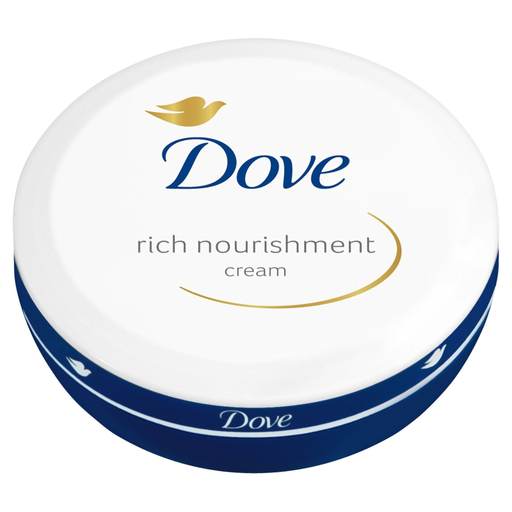
Why this product suits this profile: The creamy texture and handy 150-ml format are suitable for daily care of dry areas of the body, such as the hands, knees and elbows.
The product information describes a creamy yet fast-absorbing consistency. Check the INCI list for perfume and declared fragrances before buying.
Glycerin and petrolatum are listed among the ingredients; the product is intended for use over the whole body.
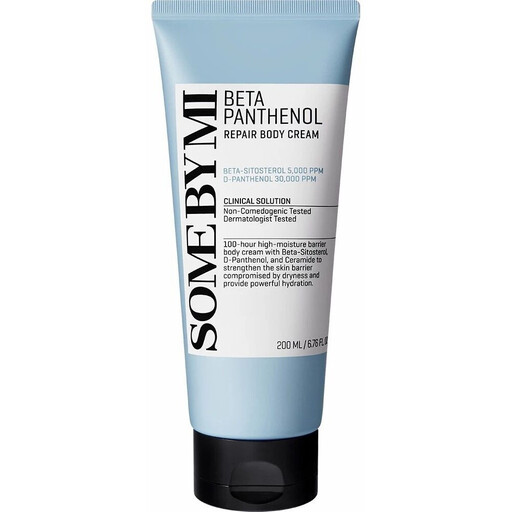
Why this product suits this profile: The product description is aimed at dry and sensitive skin. According to the supplier, the creamy texture is designed to absorb quickly without leaving a sticky feeling.
Beta-panthenol, allantoin, ceramides and hyaluronic acid are listed as ingredients. At the same time, perfume should be checked in the complete ingredients list.
200 ml content, ceramides and allantoin according to the product information; use on slightly damp skin is recommended.
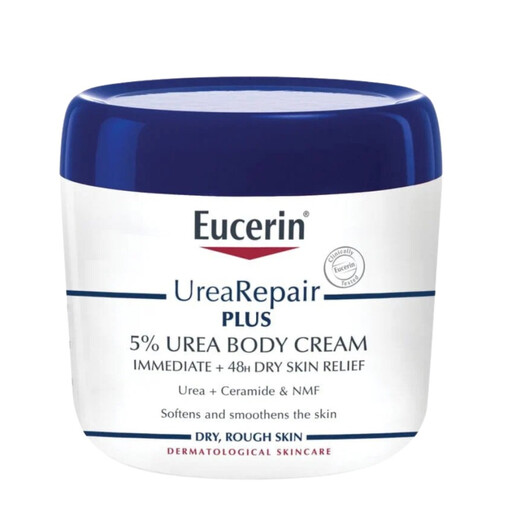
Why this product suits this profile: The 450-ml dispenser is designed for people who care for larger areas of the body every day and are looking for a product with a stated 5% urea content.
The concentration is clearly stated and the ingredients list is provided openly. If your skin is irritated or broken, do not use the product in accordance with the warnings.
5% urea, glycerin, ceramide NP and shea butter are included according to the product information; the contents are 450 ml.
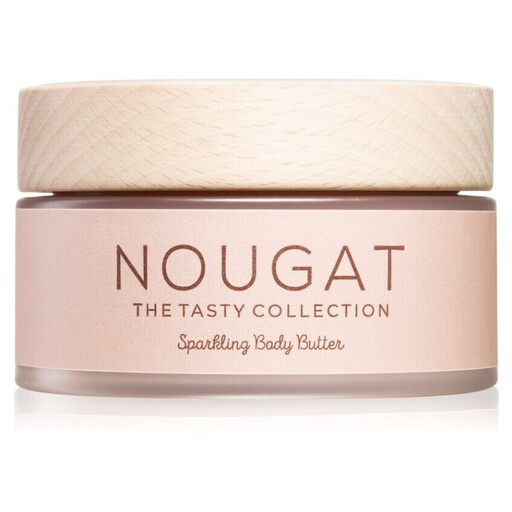
Why this product suits this profile: The 250-ml body butter combines shea butter, coconut oil and almond oil with a nougat fragrance and light-reflecting particles for a visible shimmer effect.
The product type, contents and highlighting particles are clearly stated. If you are sensitive to fragrance, check the fragranced formulation beforehand.
250 ml content plus shea butter, coconut oil and sweet almond oil according to the product description; shimmer particles are explicitly stated.
We have put together a complete, regularly updated list of products that fully meet these strict selection criteria and the safety regulations applicable in the EU.
For daily moisturising body care, cream is usually applied to skin that is still slightly damp after showering. This helps it spread more evenly. Very firm body butter can first be warmed between the palms of your hands. The amount needed depends on the texture, the area of skin and your personal skin feel.
New products should initially be tested on a small area. If you notice visible changes, persistent irritation or discomfort, seeking medical advice is advisable. Creams and body butter should be stored according to the instructions on the packaging and should not be used after the stated expiry date.
Rich body creams or body butter containing ingredients such as urea, glycerin, shea butter and ceramides may be suitable for very dry skin. Your choice should be based on skin tolerance, your preferred texture and the condition of your skin. For broken or severely irritated areas, the warnings for the product in question are particularly important.
Body lotion is usually lighter and can be spread quickly over larger areas. Body cream and body butter are often richer and may be suitable for rough or very dry areas of the body. There is no universally “better” option, as skin type, the time of year and the situation in which you use it all matter.
The expiry symbol and the information on the packaging are the deciding factors. The symbol showing an open jar often indicates how long the product can be used after opening. Changes in smell, colour or consistency may indicate that the product should no longer be used.