
Lieferung heute & morgen

Qualitätsgarantie

Willkommens-Angebote freischalten: KOSTENLOSE Lieferung | Bis zu 80 % RABATT | Kostenlose 30-Tage-JoyPlus-Testphase
App herunterladen
Dry skin can feel tight, look rough or become flaky around the elbows, knees and lower legs. A body lotion should do more than smell pleasant: it should suit your skin, your preferred texture and your daily routine. If you focus only on claims such as ‘24-hour hydration’ or ‘repair’, you could miss important details.
A scented lotion can make application more enjoyable. However, perfume and fragrance ingredients that must be declared on the label can trigger reactions, particularly if your skin is sensitive or prone to itching. A fragrance-free body lotion is therefore worth considering if your skin reacts to fragrance.
The ingredients list is what matters. Humectants such as glycerin, urea or Sodium PCA bind water. Fats, oils, shea butter, petroleum jelly and dimethicone can help smooth the feel of your skin and reduce water loss. Ceramides and similar skin-identical lipids are often used in products designed to support the skin barrier.
Very rich products can be useful for pronounced dryness, but may feel sticky under clothes. If you’re short on time in the morning, look for a fast-absorbing body lotion. A lighter lotion may also make it easier to stick to your daily routine.
A urea body lotion can be particularly useful for rough, dry skin. Choose a concentration that suits your skin’s tolerance:
Urea is not a substitute for medical treatment. If you have persistent itching, cracks, weeping patches or suspect eczema or psoriasis, consult a healthcare professional to find out what’s causing the problem.
A well-balanced moisturising body lotion usually combines several types of ingredients. Glycerin and urea help bind water, while oils, waxes or petroleum jelly can leave the skin’s surface feeling softer. A body cream for very dry skin can have a richer texture than an everyday body lotion.
Claims such as ‘natural’, ‘repair’ or ‘barrier protection’ shouldn’t be considered in isolation. Look at the full INCI list, the amount of product, the price per 100 millilitres and the manufacturer’s guidance.
If you have sensitive skin, choose a formula with a straightforward ingredients list and no unnecessary fragrance. Plant oils and extracts aren’t automatically non-irritating. Before applying a product over a large area for the first time, it may be worth testing it on a small patch of skin. Don’t apply it to open wounds or severely inflamed skin unless the product instructions say otherwise.
For best results, apply lotion after showering, while your skin is still slightly damp. This makes it easier to spread evenly. You can also give extra attention to particularly dry areas, such as your shins, hands, elbows, knees and heels.
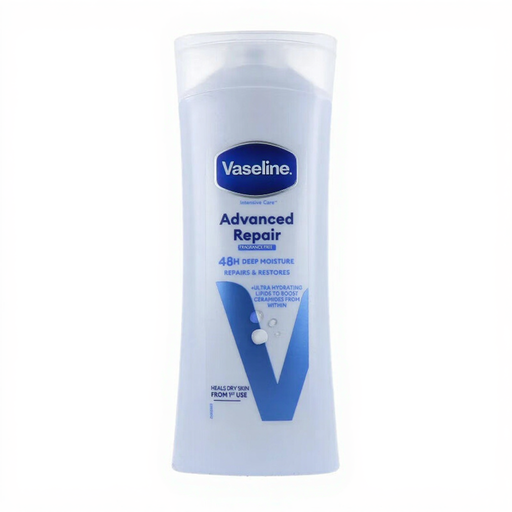
Why this product suits this profile: The 400 ml size is practical for regular full-body moisturising. According to the manufacturer’s product information, the lotion contains glycerin, petroleum jelly and shea butter.
The ingredients list names specific moisturising and nourishing ingredients, rather than relying on a general ‘repair’ claim. However, the formula is not fragrance-free.
400 ml; glycerin, petroleum jelly and shea butter according to the INCI list.
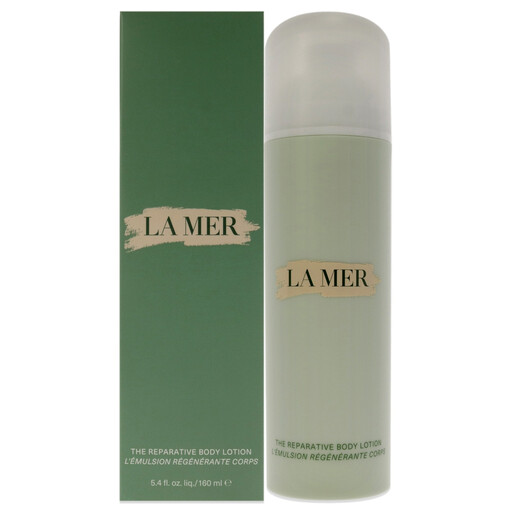
Why this product suits this profile: This lotion is for shoppers who prefer a silky texture and a premium skincare ritual. According to the product information, the formula includes glycerin, algae extracts and Sodium Hyaluronate.
The product description specifies the ingredients and the 160 ml size. Fragrance and eucalyptus oil are listed, so bear these in mind if you have sensitive skin.
Silky lotion texture; glycerin and Sodium Hyaluronate according to the product information.
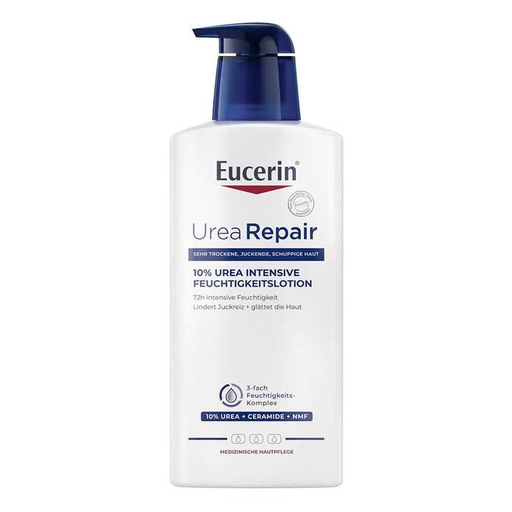
Why this product suits this profile: The stated 10% urea formula is designed for very dry, rough skin. According to the product information, it also contains ceramides and natural moisturising factors.
The urea concentration is clearly stated. If you experience stinging or irritation, stop using the product and seek medical advice if needed.
10% urea; 400 ml; ceramides according to the product description.
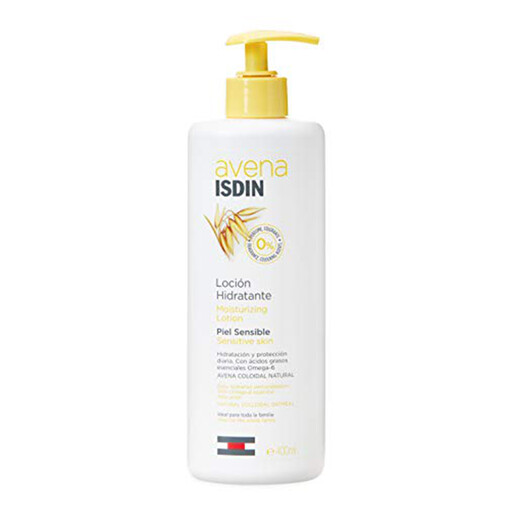
Why this product suits this profile: The product description lists colloidal oatmeal, borage oil and a fragrance-free formula. Its light texture may appeal if you prefer a fast-absorbing body lotion.
The product is explicitly described as fragrance-free. Even so, check the current ingredients list against the packaging before buying.
400 ml; colloidal oatmeal and borage oil according to the product information.
We’ve put together a complete, regularly updated list of products that meet these strict selection criteria and fully comply with the safety regulations in force in the EU.
For even coverage, apply a thin but sufficient layer of lotion. If some areas are very dry, a second layer may help, as long as your skin tolerates it well. Pump bottles and larger packs make regular use easier. Close the cap securely after use and keep products away from direct sunlight and high temperatures. Check the packaging symbol and instructions for how long the product can be used after opening.
A formula containing urea, glycerin, ceramides or nourishing ingredients may be a good choice. Products with 5% or 10% urea may suit noticeably rough skin. Your skin’s individual tolerance is key; if you have cracks, inflammation or severe itching, seek medical advice.
For many people, once a day after showering is enough. If the air is dry from central heating, you wash frequently or your skin feels very tight, applying lotion again may help. Always follow the specific instructions from the manufacturer.
Look for the open-jar symbol on the packaging, for example ‘12M’. Also keep an eye on the product’s smell, colour and consistency. If it changes noticeably or causes irritation, stop using it.