
Lieferung heute & morgen

Qualitätsgarantie

Willkommens-Angebote freischalten: KOSTENLOSE Lieferung | Bis zu 80 % RABATT | Kostenlose 30-Tage-JoyPlus-Testphase
App herunterladen
Listening to music or podcasts during a workout boosts motivation. However, traditional headphones isolate you from your surroundings—a safety risk in traffic or when running outdoors. Bone conduction headphones and similar open-ear headphones offer a solution by leaving your ears uncovered. But the market is flooded with models making exaggerated advertising claims. Before you make a decision, it's important to know the most common pitfalls that can lead to a poor purchase.
As your Joybuy Product Recommendation Officer, I'll help you objectively evaluate technical specs and find a product that truly fits your needs.
The 2 Most Common Traps When Buying Sports Headphones:
To avoid these traps, you should focus on verifiable technical features. These three parameters are crucial for the performance and longevity of your sports headphones.
The IP rating consists of two digits. For waterproof sports headphones, the second digit is critical as it indicates the level of protection against water.
Always check the specific IP rating and match it with your planned activities.
A pair of Bluetooth sports headphones shouldn't let you down mid-workout. Look for a battery life of at least 6 hours of continuous playback. Many newer models also offer a fast-charging feature, where just 10-15 minutes of charging can provide over an hour of listening time. A stable connection is ensured by modern Bluetooth standards like Bluetooth 5.1 or higher, which minimizes interruptions and improves range.
A secure fit is essential, especially for high-motion sports like running or cycling. Good cycling headphones should stay firmly in place without slipping, but also without exerting uncomfortable pressure on your head or ears. Models with a lightweight titanium frame are often both flexible and durable. A weight of under 30 grams is considered very comfortable for long periods of wear.
Here are some recommendations based on objective features, suitable for various user profiles.
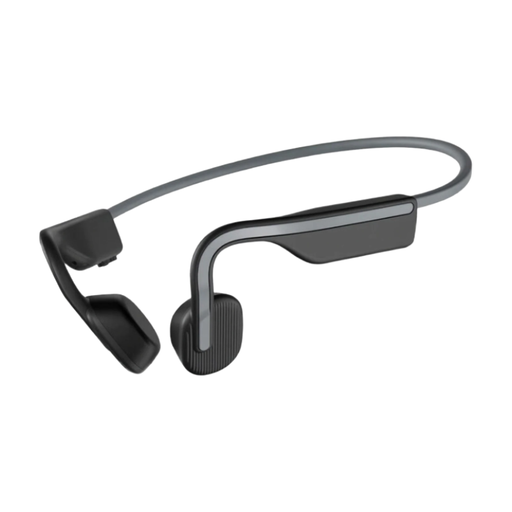
Why This Fits Their Persona: A reliable choice for runners, cyclists, and gym-goers who want proven technology and a balanced mix of performance, comfort, and durability. Ideal for daily use.
Its clear IP55 certification provides reliable protection against sweat and rain, avoiding the trap of vague "waterproof" claims. The low weight of 29g and the open-ear design ensure long-lasting comfort without pressure points.
Uses 7th-generation bone conduction technology for clear sound. Offers up to 6 hours of playback time and a stable connection via Bluetooth 5.1.
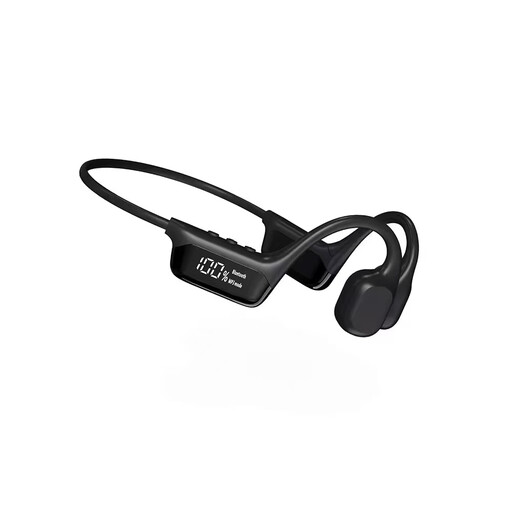
Why This Fits Their Persona: Suitable for users who want to try the benefits of bone conduction technology without a large investment. The focus is on core functionality and long battery life for extended activities.
This model focuses on a tangible benefit: a long battery life of up to 8 hours. The ear-hook design ensures a stable fit, addressing the comfort issues often found in more affordable models.
Offers above-average battery life in the entry-level segment. The ear-hook design is built for a secure hold during movement.
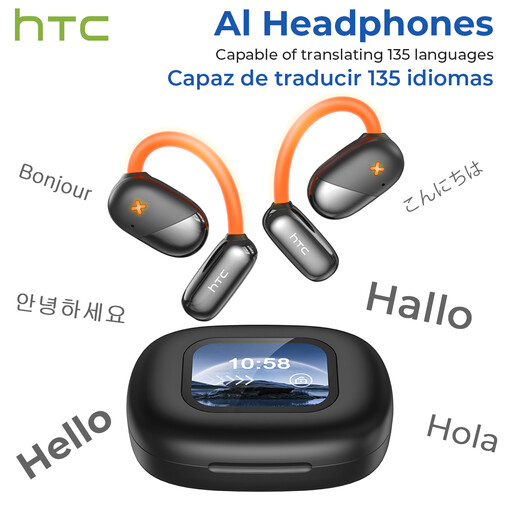
Why This Fits Their Persona: For users who value innovative extra features in addition to situational awareness. This Open-Wearable-Stereo (OWS) model is not bone conduction technology, but it also keeps the ears free and offers smart features like real-time translation.
This product is clearly positioned as a smart device, not just as a pure sports headphone. The IPX5 rating is transparently stated for light activities and daily use, without creating false expectations of extreme water resistance.
Integrates an LCD color display on the charging case for direct control. Offers AI-powered real-time translation features via a companion app.
We have compiled a complete, up-to-date list of products that fully meet these strict selection criteria and all relevant safety standards.
Instead of sending sound waves through the air into your ear canal, bone conduction headphones create subtle vibrations. These are transmitted through your cheekbones directly to the inner ear. The eardrum is bypassed, and the ear canal remains completely open, allowing you to stay aware of ambient sounds like traffic or approaching people.
The sound experience is different. Because the ear canal remains open, bass reproduction is typically less intense than with in-ear headphones that seal the ear canal. The sound quality is very good for podcasts, audiobooks, and most music genres at moderate volumes. At very high volumes, you might feel vibrations on your cheekbones. However, the main advantage isn't audiophile-grade fidelity, but the combination of audio enjoyment and safety.
In most cases, yes. Many models are designed with a band that runs over the ear and is compatible with most eyeglass frames. Models with a thin and flexible titanium band are often the most comfortable choice. It can be helpful to pay attention to the shape and thickness of the band to ensure it doesn't interfere with your glasses.