
Lieferung heute & morgen

Qualitätsgarantie
App herunterladen
Kategorien
Bone conduction headphones, also known as Bone Conduction Kopfhörer, transmit sound as vibrations through the cheekbones directly to the inner ear. This technical principle bypasses the ear canal, leaving the ears open. For users, this means they can enjoy audio content while remaining fully aware of ambient sounds like traffic or announcements. This feature makes them a preferred choice for sports and situations where a high level of situational awareness is essential.
Selecting the right model depends on specific technical requirements and your intended use. The following criteria provide an objective basis for making an informed decision.
The IP (Ingress Protection) rating is an international standard that classifies the suitability of electronic devices for various environmental conditions.
The method of audio transmission is a crucial feature.
Runtimes are important for long training sessions. Typical battery life ranges from 6 to 8 hours of continuous playback. A quick-charge function, which provides significant additional usage time after just a few minutes of charging, can be extremely beneficial in daily use.
Since Open Ear Kopfhörer are designed for extended wear, weight and material play a crucial role. Lightweight frame constructions, often made of titanium, ensure a secure fit without causing pressure points. The design should also be compatible with glasses, helmets, or swimming caps.
Based on the technical criteria above, we present a selection of models designed for different user profiles.
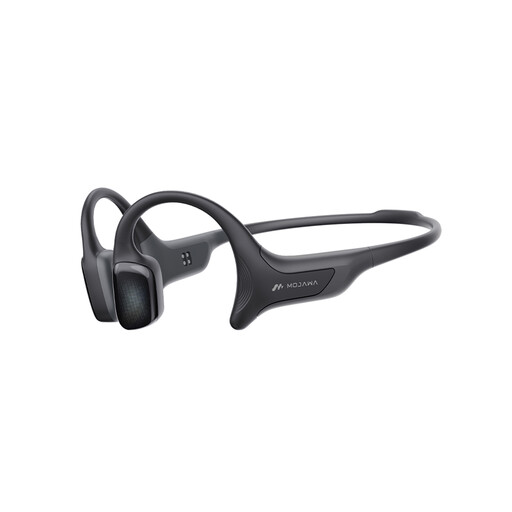
Why We Recommend It The Mojawa HaptiFit Terra integrates audio functions with advanced sports-tracking capabilities. The device can measure heart rate data and provides feedback via voice prompts and vibrations to help manage your running pace. This combination of sensors and audio makes it a comprehensive training companion.
Pros
Who It's For This model is aimed at data-driven athletes and fitness enthusiasts who want to precisely monitor their performance while enjoying audio content, without needing to carry multiple devices.
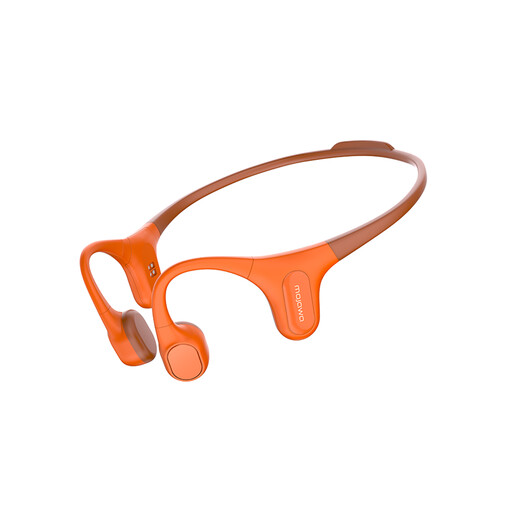
Why We Recommend It The Mojawa Run Plus is specifically engineered for use in and on the water. Its IP68 certification allows for submersion in up to 2 metres of water for up to 2 hours. Combined with the integrated 32 GB MP3 player, it is a self-sufficient headphone for jogging, cycling, and especially swimming.
Pros
Who It's For Ideal for swimmers, triathletes, and runners looking for a robust, waterproof, and smartphone-independent audio solution.
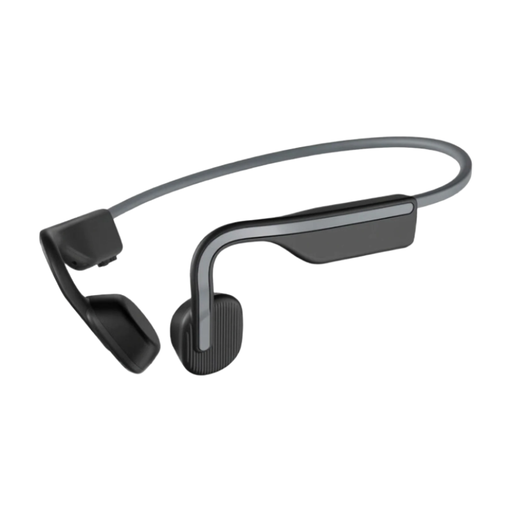
Why We Recommend It The Shokz OpenMove focuses on the core features of a Bone Conduction Kopfhörers: safety through open ears, comfort, and reliable connectivity. Weighing just 29 grams and featuring a flexible design, it is built for all-day use, from the daily commute to an evening run.
Pros
Who It's For This model is a solid choice for newcomers to bone conduction technology, as well as for users seeking a lightweight and comfortable Sport Kopfhörer for daily workouts like running and cycling.
The models featured here cover specific use cases. If you are looking for different designs, colour options, or specific technical features, our main category offers a wider selection.
Discover more models in our Bone Conduction Sports Headphones category.
1. How do bone conduction headphones work? Bone conduction headphones do not sit in or on the ear, but on the cheekbones. Small transducers create vibrations that transmit sound through the bone directly to the inner ear. The ear canal remains open, allowing you to stay aware of your surroundings.
2. Are bone conduction headphones suitable for people who wear glasses? Yes, most models are designed so that the band runs behind the head and over the ears. This typically allows for a comfortable and hassle-free combination with glasses or sunglasses, as the arms of the headphones and the glasses do not interfere with each other.
3. Can you swim with all bone conduction headphones? No. Only models with a high IP rating, typically IP68, are suitable for swimming and submersion. Models with lower ratings like IP55 are only protected against sweat and splashes. For use in water, an integrated MP3 player is also necessary, as Bluetooth signals do not transmit reliably underwater.