
Lieferung heute & morgen

Qualitätsgarantie

Willkommens-Angebote freischalten: KOSTENLOSE Lieferung | Bis zu 80 % RABATT | Kostenlose 30-Tage-JoyPlus-Testphase
App herunterladen
Music, podcasts and phone calls can accompany your training without completely blocking your ears. That is why many runners, cyclists and fitness enthusiasts are interested in bone conduction headphones for sport. However, product descriptions are not always clear: “Bone Conduction”, “Open Ear” and “Ear Clip” can refer to different designs and functions.
Before buying, you should therefore look beyond the Bluetooth version, battery life and discount offers. The key question is whether the headphones suit your sport, the level of water protection you need and your requirements for awareness of your surroundings.
Traditional Bluetooth bone conduction headphones usually sit in front of the ear and transmit sound through contact pads positioned against the bone. Open-ear headphones, on the other hand, may also use small speakers positioned close to the ear without blocking the ear canal.
Both designs generally allow you to hear surrounding sounds better than fully sealing in-ear models. However, sound quality, bass reproduction and wearing comfort can vary. Always check the specific design: ear hook, neckband, ear-clip headphones or open band construction.
The ratings IP55, IP67 and IP68 describe protection against dust and water under specific test conditions. They do not automatically mean that a device is suitable for every swimming environment.
When choosing, bear the following in mind:
After swimming, rinse the headphones with clean water and allow them to dry completely. Charging ports and magnetic contacts must be dry before charging.
The stated playback time depends on factors including volume, Bluetooth connection, phone calls and features such as voice prompts. A model offering 5 to 7 hours of battery life may be enough for individual training sessions, while frequent users may prefer longer battery life or a fast-charging function.
Headphones with MP3 storage are useful if you do not want to take your smartphone with you when running or swimming. However, check whether the internal storage can actually be used for your audio files and which file formats are supported.
During longer runs, your headphones should not press against your glasses or slip during fast movements. An ear hook can provide extra stability, while an ear clip may be lighter and less noticeable. Check the following:
An open design improves your awareness of traffic and signals, but it is not a substitute for paying attention. When cycling on public roads or taking part in other safety-critical activities, follow local regulations and keep the volume at a moderate level.
Bluetooth bone conduction headphones connect wirelessly to smartphones, tablets and sports watches. A stated range of around 10 to 15 metres usually applies under favourable conditions without major obstacles. Your body, walls and other wireless sources can affect the connection.
If you want to use the headphones in a home office or while travelling, look for:
Microphone noise reduction often applies only to phone calls. It does not necessarily mean that background noise is removed during music playback.
For headphones for running or cycling, a model offering protection against sweat and rain is often sufficient. Swimmers, however, should pay particular attention to a suitable IP rating, dry charging areas and integrated storage, as Bluetooth only works to a limited extent underwater.
Important: The information in the product description and user manual should match. If the information conflicts, follow the specific safety and usage instructions.
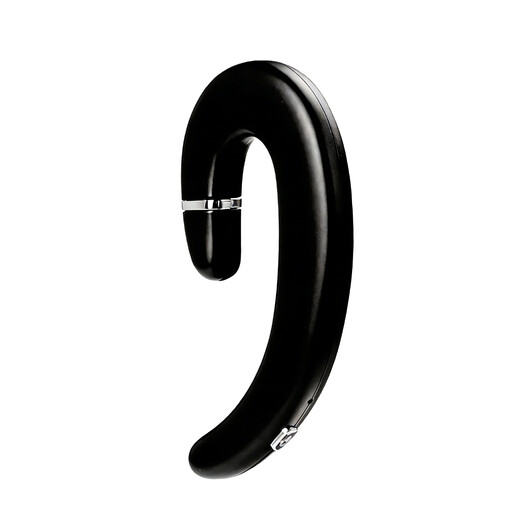
Why this product suits this profile: The single-sided ear-hook design is ideal for users who want to keep one ear as free as possible during training or while out and about. According to the product information, Bluetooth 5.4 and touch controls are built in.
Using just one earpiece reduces the risk of completely blocking both ears. The manufacturer states around 5–7 hours of playback time; for longer trips, you should plan around the battery life.
Bluetooth 5.4, ear hook, touch controls and a stated range of around 15 metres.
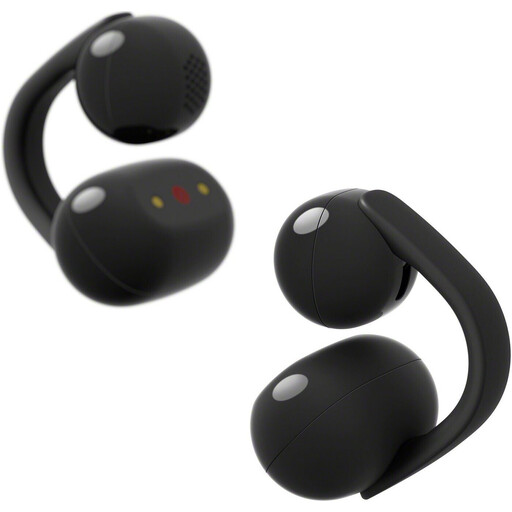
Why this product suits this profile: The open clip fit is designed for sport, travel and everyday use. According to the product information, it offers three listening modes, app control, a microphone with AI-based noise reduction for conversations and IPX4 protection.
The IPX4 rating makes the usage limits clear: this model is not marketed as swimming headphones. This helps you avoid using it in unsuitable water-based situations.
Open clip design, up to 9 hours of playback per earpiece and up to 37 hours with the charging case, according to the manufacturer.
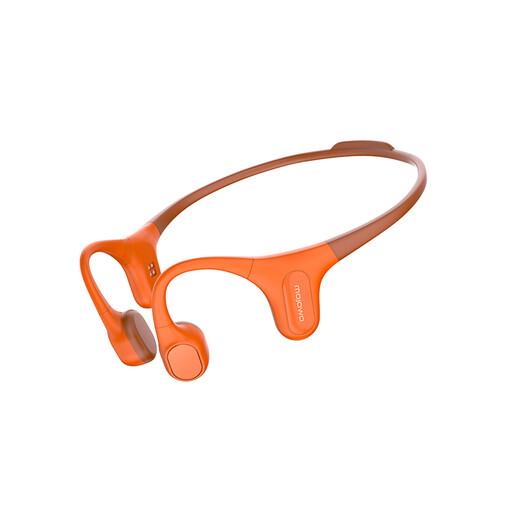
Why this product suits this profile: This model combines an open-ear design with Bluetooth and a stated 32 GB of MP3 storage. According to the product description, it is intended for running, cycling, fitness and swimming.
The storage reduces your reliance on a smartphone. However, the IP68 rating should still be considered alongside the manufacturer’s limits for depth, duration, chlorine and salt water.
32 GB internal storage, Bluetooth 5.2, up to 8 hours of stated playback time and IP68 protection.

Why this product suits this profile: According to the product information, this dual-sided ear-hook model offers 32 GB of storage, magnetic charging and IPX8 water resistance. It is therefore aimed at users who regularly train both in the water and on land.
The internal storage enables playback without a smartphone. For chlorine or salt water, follow the stated care instructions; the contacts must be dry before charging.
32 GB of storage, up to 8 hours of battery life according to the product information and IPX8 rating.
We have put together a complete, regularly updated list of products that fully meet these strict selection criteria and the safety regulations applicable in the EU.
Open models are practical for many runners because they do not block the ear canal, allowing you to remain aware of surrounding sounds. However, you should still stay alert when training in traffic, limit the volume and follow local regulations.
Bluetooth signals only transmit to a limited extent underwater. For swimming sessions, headphones with MP3 storage or a comparable offline mode are therefore a sensible choice. The IP rating, permitted water depth and usage time must also be suitable for your planned activity.
Their lifespan depends on the battery, exposure to sweat and water, charging habits and care. Dry the device after exercising, do not charge it with damp contacts and store it away from heat. An IP rating does not automatically prevent wear to seals or charging ports.