
Lieferung heute & morgen

Qualitätsgarantie

Willkommens-Angebote freischalten: KOSTENLOSE Lieferung | Bis zu 80 % RABATT | Kostenlose 30-Tage-JoyPlus-Testphase
App herunterladen
By the Joybuy Product Recommendation OfficerPublished August 28, 2026
Anyone who listens to music while running, cycling, or at the gym knows the dilemma: traditional headphones isolate you from the outside world, which poses a safety risk in traffic or during outdoor activities. Bone conduction headphones for sports offer a solution by leaving the ear canal open. However, the market is flooded with models of widely varying quality. Many buyers invest in products that quickly prove to be impractical or defective.
This guide reveals the most common pitfalls to avoid when buying and explains which technical features truly matter, enabling you to make an informed decision.
Choosing the wrong model often leads to frustration and wasted money. Be sure to avoid these common problems:
To avoid a bad purchase, you should focus on objective, technical data instead of advertising promises. The following three criteria are essential for open-ear headphones.
The IP (Ingress Protection) rating indicates how well a device is protected against the entry of foreign objects (first digit) and water (second digit). For waterproof headphones used for sports, a rating of at least IPX4 (protection against splashing water) is required.
A better choice is the IP55 rating, found on many models from brands like Shokz (formerly AfterShokz).
A Bluetooth sports headphone shouldn't die on you in the middle of a workout. A battery life of at least 6 hours of continuous playback is a good benchmark. This allows you to complete several training sessions a week without constantly needing to recharge. Some models also offer a quick-charge function that provides another hour of energy in just a few minutes.
At the same time, weight is crucial for wearing comfort. Models under 30 grams are barely noticeable and won't cause pressure points, even on long runs. A lightweight and flexible titanium frame ensures a secure fit without slipping.
A stable connection is everything. Look for models with Bluetooth 5.1 or higher. This version offers a reliable and energy-efficient connection to your smartphone over a distance of up to 10 meters. An integrated microphone with noise cancellation is another advantage, allowing you to take clear phone calls in noisy environments without interrupting your workout.
Instead of making a one-size-fits-all recommendation, we have identified products tailored to specific user profiles.
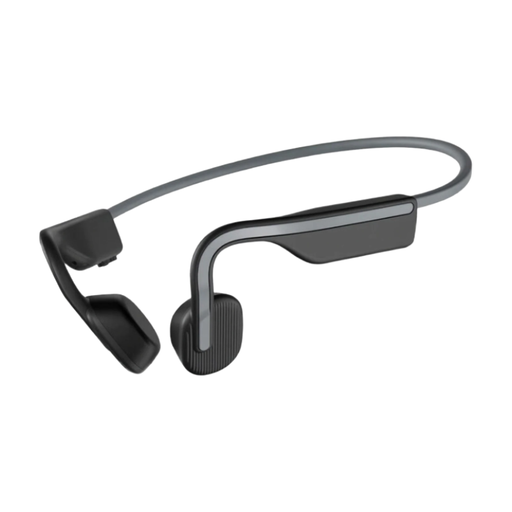
Why this model is a great fit: Ideal for runners and cyclists who train regularly. The low weight of 29 grams and the secure fit prevent slipping, while the IP55 certification offers reliable protection against sweat and rain.
The flexible frame and lightweight design counteract slipping (Pitfall 1). The clear IP55 rating provides transparency regarding water resistance (Pitfall 2).
The open-ear design allows for full awareness of ambient sounds, significantly increasing safety in traffic.
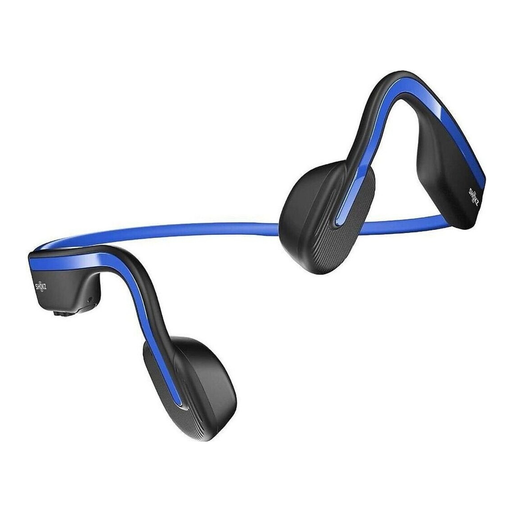
Why this model is a great fit: Perfect for the daily commute. The 6-hour battery life covers even long journeys, and the noise-canceling microphone ensures clear calls on the bus, train, or bike.
The 7th generation bone conduction technology delivers clear audio without the unpleasant vibrations (Pitfall 3) found in lower-quality models.
The integrated microphone enables hands-free calling with high voice quality, without having to remove the headphones.
Why this model is a great fit: For users who want to try bone conduction technology without compromising on core quality. The OpenMove offers a balanced package of comfort, durability, and sound.
As a product from an established brand, it bypasses the typical quality issues of no-name products and offers reliable performance from day one.
Easy pairing thanks to Bluetooth 5.1 and intuitive controls. The included stickers also allow for personal customisation.
We've compiled a complete, up-to-date list of products that fully meet these strict selection criteria and safety standards.
Thanks to their water resistance, cleaning is straightforward. Wipe the headphones with a soft, slightly damp cloth after your workout to remove sweat and dirt. Avoid aggressive cleaning agents. Pay special attention to ensuring the charging port is dry and clean before connecting the charging cable.
The audio experience is different. Open-ear headphones are not designed to replicate the deep bass and complete isolation of audiophile-grade in-ear models. Their main purpose is to deliver clear, distinct audio while leaving your ears open to ambient sounds. The sound is very well-suited for podcasts, audiobooks, and most music genres during sports, but it represents a deliberate trade-off in favor of safety and comfort.
Most mid-range models offer a battery life of 6 to 8 hours of continuous music playback. For example, a model like the Shokz OpenMove with 6 hours of runtime allows for three two-hour training sessions before needing a recharge. The standby time is often several days, so the headphones are always ready for use, even with irregular use.