
Lieferung heute & morgen

Qualitätsgarantie

Willkommens-Angebote freischalten: KOSTENLOSE Lieferung | Bis zu 80 % RABATT | Kostenlose 30-Tage-JoyPlus-Testphase
App herunterladen
As a Joybuy Product Recommendation Officer, my role is to provide you with clear, objective information so you can make informed purchasing decisions. This guide focuses on bone conduction headphones for sports, helping you find the perfect model for your needs.
Whether you're running through the city, cycling on country roads, or even swimming laps in a pool, situational awareness is crucial for your safety. However, traditional headphones often isolate you from important sounds like traffic or warning calls. Open-ear headphones, based on bone conduction technology, offer a solution. They transmit sound through vibrations on your cheekbones directly to your inner ear, leaving your ears completely open.
This article explains how they work, outlines key purchasing criteria, and presents a selection of models for various sports applications.
Choosing the right model depends on your individual athletic activities and needs. Three key criteria are particularly important.
The IP (Ingress Protection) rating indicates how well a device is protected against the ingress of foreign objects (the first digit) and water (the second digit). For athletes, the second digit is especially relevant.
The type of connection determines how and where you can play your audio content.
A secure and comfortable fit is essential for high-motion activities. Cycling headphones must fit securely under a helmet, while a model for running shouldn't slip during impact. Pay attention to the weight (lighter models are often more comfortable) and the design of the neckband. Flexible titanium bands generally offer a good balance of stability and comfort.
Based on the criteria mentioned, we have compiled a selection of models suitable for different athletic requirements.
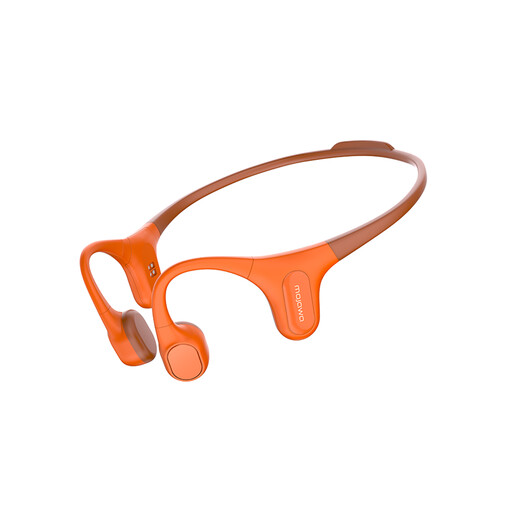
Why it stands out: The combination of an IP68 water-resistance rating and an integrated 32 GB MP3 player makes the Run Plus a versatile option for both land and water sports.
Pros:
Best for: Swimmers, triathletes, and athletes looking for a robust, waterproof solution who prefer to train without their smartphone.
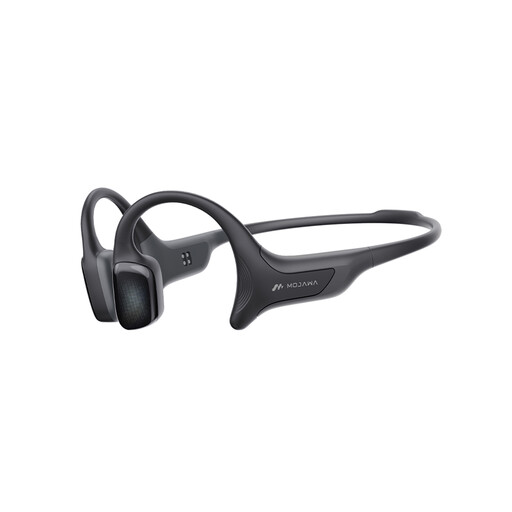
Why it stands out: The HaptiFit Terra integrates smart features like heart rate monitoring directly into the headphones, targeting data-driven athletes.
Pros:
Best for: Runners, cyclists, and swimmers who want to track their performance data (especially heart rate) directly via their headphones and optimize their training.
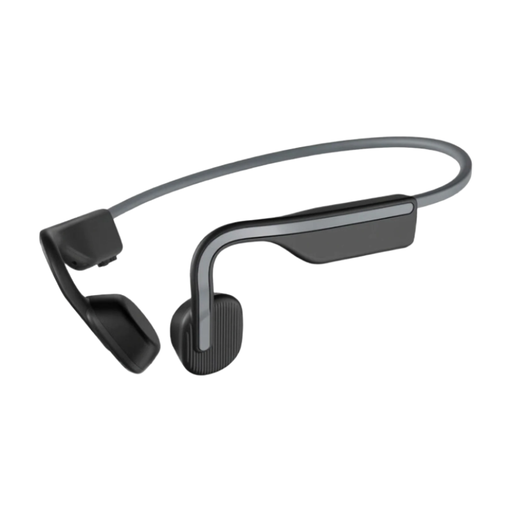
Why it stands out: The OpenMove from Shokz (formerly AfterShokz) is a lightweight and straightforward entry-level model that focuses on the core functions of open-ear sports headphones.
Pros:
Best for: Beginners, as well as all-around athletes and commuters, who are looking for reliable and comfortable headphones for jogging, cycling, or everyday use and do not require full waterproofing.
The right headphones are an important part of your gear, but for an optimal training experience in any weather, the right apparel is also crucial. A functional running jacket protects you from wind and weather without compromising breathability.
? Discover our selection of running jackets here
1. What is the difference between bone conduction and regular headphones? Bone conduction headphones don't sit in or on your ears, but rather on your cheekbones. They conduct sound to the inner ear through vibrations. The main advantage is that your ear canal remains open, allowing you to hear ambient sounds like traffic, announcements, or other people. This increases safety during outdoor activities.
2. Is the sound quality of bone conduction headphones good? The sound quality is well-suited for podcasts, audiobooks, and most music genres during sports. Since the sound is transmitted differently, the audio experience is not identical to that of in-ear or over-ear headphones. They can particularly struggle with deep bass. However, some models like the Mojawa Run Plus use special bass enhancement technologies to create a richer sound profile.
3. Can you swim with bone conduction headphones? Yes, but only with models specifically designed for it. You need a high water-resistance rating, ideally IP68. Additionally, an integrated MP3 player is required, as a Bluetooth connection does not work underwater. Models like the Mojawa Run Plus or HaptiFit Terra meet these requirements. Models with a lower IP rating, such as IP55, are only sweat and splash-proof and must not be submerged.