
Lieferung heute & morgen

Qualitätsgarantie

Willkommens-Angebote freischalten: KOSTENLOSE Lieferung | Bis zu 80 % RABATT | Kostenlose 30-Tage-JoyPlus-Testphase
App herunterladen
By Joybuy Product Recommendation Officer, August 30, 2026
The search for the right bone conduction headphones for sports can quickly become overwhelming. Many models promise high performance, but in practice, they often fail to meet the most basic requirements. The result: you've spent the money, but the headphones end up in a drawer after just a few workouts. Before you make a decision, it's important to understand the common marketing traps that often lead to a bad purchase.
The three most common problems athletes encounter:
To avoid these pitfalls, you should focus on objective, technical specifications. These three parameters are critical for the performance and longevity of your sports headphones.
The IP (Ingress Protection) rating is the most reliable indicator of a device's protection against water and dust. For athletes, the last digit, which describes water protection, is particularly relevant.
A long battery life is essential for extended training sessions. Look for models that offer at least 8 hours of playback time at normal volume. This typically covers a marathon or a long bike ride. Another practical feature is a fast-charging function, where just a few minutes of charging can provide one or more hours of playback.
A secure fit is paramount for open-ear headphones. Models with a lightweight yet robust neckband, often made of a titanium alloy, provide the necessary stability without being intrusive. They conform to the shape of your head and stay in place even during rapid movements. Silicone coatings at the contact points enhance comfort and prevent slipping due to sweat. This design is especially beneficial for cycling headphones, as they can be worn comfortably under a helmet and do not restrict awareness of traffic sounds.
Based on these objective criteria, we have identified several models suitable for the specific needs of different athletes.
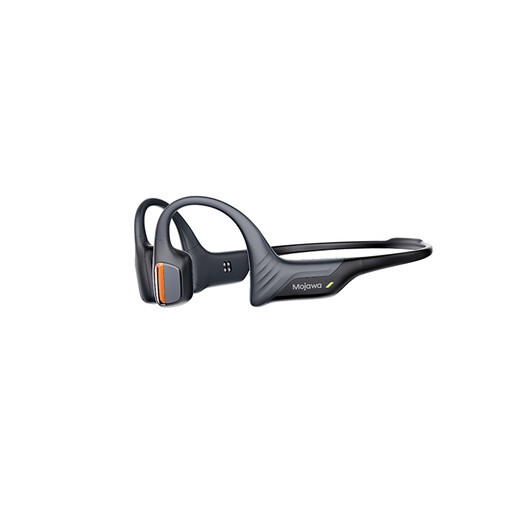
Why This Fits Their Persona: Ideal for athletes who train in all weather conditions. The secure fit and open-ear design ensure comfort and safety when running in city traffic or on bike paths, as ambient sounds remain audible.
The IP67 certification offers reliable protection against heavy rain and sweat, thus avoiding the trap of misleading "water-resistant" claims. The design is engineered for a stable fit during intense movement.
High water and dust resistance (IP67). A stable and lightweight frame ensures a secure fit for runs and bike rides.
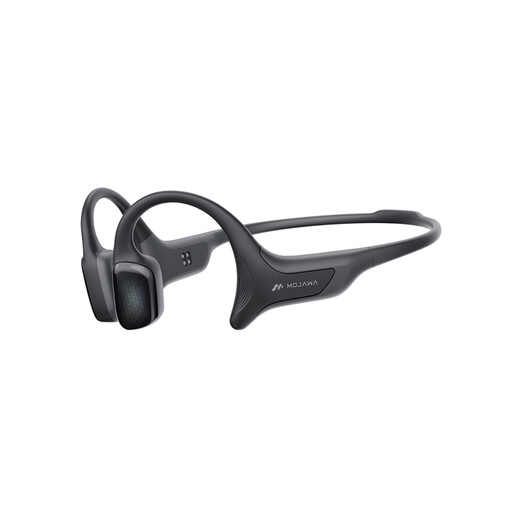
Why This Fits Their Persona: For water sports enthusiasts who don't want to give up music or podcasts during their swim training. Since Bluetooth doesn't work underwater, an integrated MP3 player is a technical necessity.
With its IP68 certification, this model is designed for swimming at depths of up to 2.5 meters. The integrated 32GB MP3 player solves the problem of a non-functional Bluetooth connection underwater.
Fully waterproof (IP68) and equipped with built-in storage for standalone music playback. According to the manufacturer, a 5-minute fast charge provides up to 2 hours of playback time.
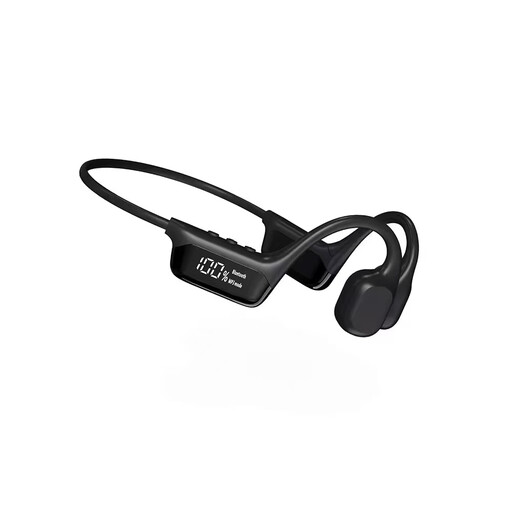
Why This Fits Their Persona: Suitable for athletes who want to try bone conduction technology for general activities like gym workouts, jogging, or cycling without a large financial commitment.
This model focuses on core features: a secure fit via its ear-hook design and solid battery life. It helps you avoid buying a uselessly cheap product by offering a functional baseline of features.
Offers a good balance of price and performance. The ear-hook design ensures a stable fit, and the manufacturer-stated 8-hour battery life is sufficient for most workouts.
We have compiled a complete, up-to-date list of products that fully meet these strict selection criteria and safety regulations.
Sound in bone conduction headphones is transmitted via vibrations through the cheekbones directly to the inner ear, leaving the ear canal open. The sound quality is generally clear and distinct, especially for voices (podcasts, audiobooks). When it comes to music, they often lack the deep bass found in traditional in-ear headphones because the ear canal is not sealed. However, the main advantage isn't audiophile-grade fidelity but the safety provided by awareness of ambient sounds.
Yes, most models are suitable for glasses wearers. The headphone band runs over the ear, while the arms of the glasses can be placed on top of or underneath it. Since most bone conduction headphones are very light and flexible, they typically don't create uncomfortable pressure. It is advisable to look for a model with a thin and flexible titanium band.
Yes, nearly all Bluetooth sports headphones with bone conduction technology have a built-in microphone and can be used as a headset for making calls. Call quality is usually good in quiet environments. However, in strong wind or noisy surroundings, clarity for the person on the other end of the call may be limited unless the model features special noise-cancellation technology for the microphone (such as ENC - Environmental Noise Cancellation).