Recording a single voice
You’re mainly recording one person speaking while seated, and want to listen back to or transfer the recording easily.


For one person sitting down to speak, a voice recorder is an obvious choice if voice-focused features and straightforward file transfer are your priorities. If you also want to capture other people around the table, or plan to edit the recording, a stereo handheld recorder may be a better fit. The key considerations are still the microphone position and planning for power and storage to suit the length of the conversation and the recording format. The features mentioned are based on manufacturers’ claims, not a comparative listening test.
You’re mainly recording one person speaking while seated, and want to listen back to or transfer the recording easily.
You’d like to capture contributions from around the table, and can position the recorder to suit the conversation.
You’re planning a longer recording or want to edit it afterwards, so recording format, power supply and storage are particularly important.
A good fit if: One seated speaker is the focus, and voice features, playback search or direct file transfer matter more to you than spatial stereo sound.
Bear in mind: Check the recording time for the format you want to use. A maximum recording time quoted for highly compressed MP3 does not automatically apply to other formats.
A good fit if: You want to capture other voices too, or plan to edit a WAV recording.
Bear in mind: Stereo and 32-bit float won’t compensate for poor microphone placement. Zoom recommends keeping the H1essential away from the table surface, as reflections from the table can affect clarity.
| Priority | What to check before buying | Who is this important to? |
|---|---|---|
| Clarity of the main speaker | Voice recording settings, playback options and a suitable position for the recorder. | If I’m mainly recording the person sitting and speaking, I want to hear their words clearly from the intended position. Around 36% of consumers put clarity for a single speaker first. |
| Other voices around the table | Built-in stereo microphones and a position in the room that suits the group conversation. | If other people are joining in, I want to be able to capture their contributions too. Around 29% of consumers give recording several speakers the highest priority. |
| Longer recordings | Recording-time claims for the specific format, as well as battery level, power supply and available storage. | For a longer session, I want to avoid the recording being interrupted by a lack of power or storage. Around 21% of consumers prioritise recording a conversation without interruption. |
| Editing and file transfer | Recording format, transfer method and playback features on the specific model. | If I want to find, edit or share comments later, the file workflow needs to suit the way I work. Around 14% of consumers put editing and file transfer first. |
The recording format won’t fix clarity issues caused by poor positioning of the built-in microphones.
Start by finding a suitable position and listening to a short test recording. Think of 32-bit float as an editing option, not a substitute for good placement.
Finding the right position may require a stand or extra time to set up.
The recording time of up to 36 hours quoted for the Philips VoiceTracer DVT4110 applies to MP3 at 8 kbit/s; it is not a general figure for WAV or other formats.
Compare the format, storage time and recording time for the exact settings you plan to use.
Philips describes its advertised speech-to-text feature as requiring cloud software and a file upload.
Before buying, check whether you need transcription and whether this way of processing files suits how you handle recordings of conversations.
The UX series is aimed at buyers who want to record speech, find specific sections again and transfer files directly.
The DVT4115 range combines recording profiles with built-in storage and app-based remote control.
The H1essential is a handheld recorder for stereo recordings and potential editing afterwards.
The DR-05XP is a handheld recorder for stereo conversations and potential editing afterwards.
The Joybuy products below are voice recorders for recording conversations. Check that their storage, recording time and file transfer or processing features suit the way you work.
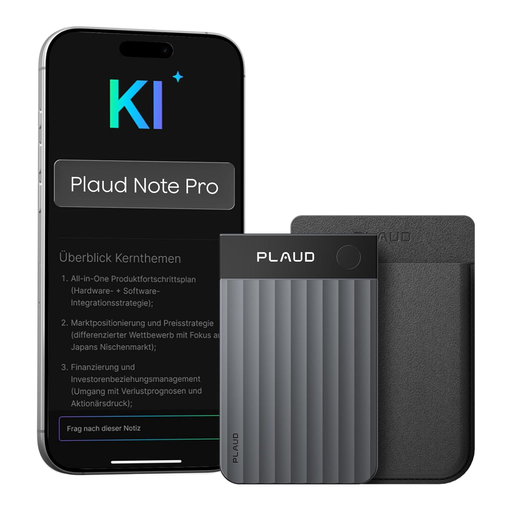 No image available
Could be worth considering if you need plenty of built-in storage for a longer voice recording and want to process it afterwards.
64 GB of built-in storage, up to 30 hours of continuous recording and four MEMS microphones, according to the product details.
Transcription and summaries are available through the PLAUD app.
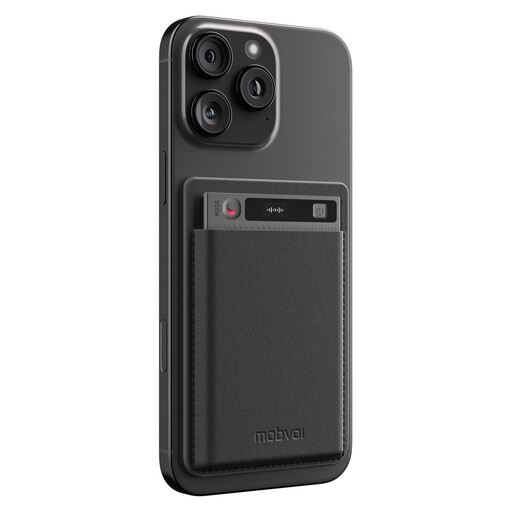 No image available
Could suit conversation recording if a triple-microphone system and app-based processing fit the way you work.
4 GB of storage; product details list up to 20 hours of continuous recording and Bluetooth.
Transcription and file management are described as being available through the app and web.
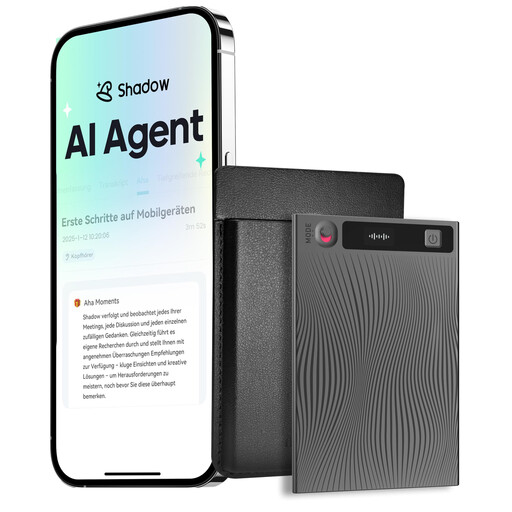 No image available
Could be a good option for group discussions if you want to make use of its stated storage capacity and share recordings wirelessly.
64 GB of storage, OGG recording and 20 to 25 hours of continuous recording, according to the product details.
File syncing and management are described as available over Wi-Fi or Bluetooth.
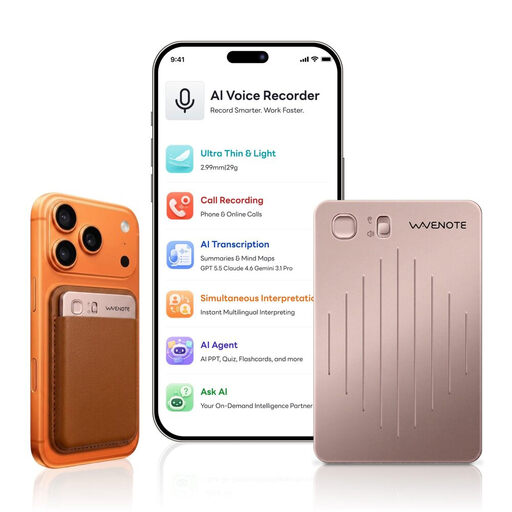 No image available
Could be a good fit if WAV recordings and editing files afterwards are part of your conversation workflow.
64 GB of storage, WAV recording and up to 36 hours of continuous recording, according to the product details.
Transcription, speaker labelling and file editing are described as features of the WaveNote app.
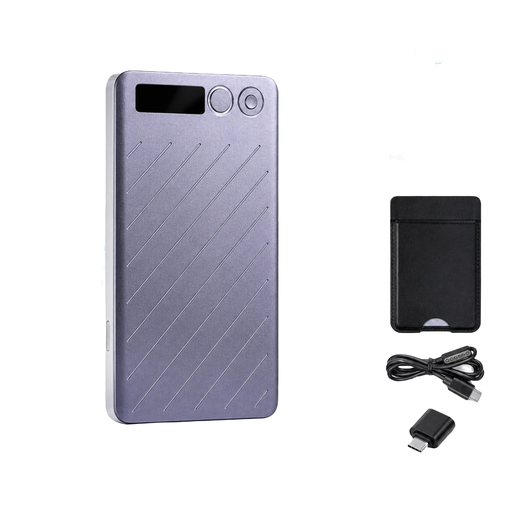 No image available
Could be worth considering for longer voice recordings if its stated storage capacity and recording time suit your conversation.
64 GB of storage, 36 hours of battery life and a sixfold dual-microphone system, according to the product details.
A transcription feature is listed in the product details.
Position it according to the device’s microphones and the layout of the conversation, then listen to a short test recording before you begin. For the H1essential’s built-in XY microphones, Zoom recommends keeping the recorder away from the table surface, as reflections can affect clarity.
Recording another person’s private spoken words without authorisation is a criminal offence under section 201 of the German Criminal Code (StGB). Before recording, check that everyone speaking agrees. Whether a conversation is public or private depends on the specific circumstances.
There’s no blanket answer. The German Copyright Act identifies literary works as potentially protected works and gives the author the exclusive right to make them available to the public. Before publishing, check the specific passages, rights and any applicable legal exceptions. Permission to record the conversation doesn’t answer this question.
Check the power supply, available storage and recording format you’ve selected, then make an additional copy of the file after the session. For the Philips VoiceTracer DVT4110, the manufacturer’s claim of up to 36 hours specifically applies to MP3 at 8 kbit/s, not to WAV in general. Philips also notes that resetting the device deletes stored recordings.
Your statutory rights apply against the seller and are separate from any voluntary guarantee. For ordinary movable goods, section 438 of the German Civil Code (BGB) generally provides for a two-year limitation period from delivery.