Beginners working with offline documentation
If you want to use code, project notes and reference materials without an internet connection, download the files and tools you need in advance, then check that they’re available locally.


Choose your laptop based first on your target platform and the test tools you actually plan to use. Download any offline documentation to your device in advance. If you’re using an Android emulator, allow for its additional storage requirements. Native iOS development with Xcode requires a Mac running a compatible version of macOS. Portability and screen space are other factors to weigh up for everyday use.
If you want to use code, project notes and reference materials without an internet connection, download the files and tools you need in advance, then check that they’re available locally.
If you want to test your book-lending app on virtual Android devices, make sure you allow for the emulator’s resource requirements as well as those of your editor.
If you want to develop for iOS with Xcode, check that the Xcode version you need is compatible with the macOS version on your chosen Mac.
A good fit if: You’re developing without a set mobile operating system and can store your documentation locally.
Things to weigh up: Choose an operating system, screen size and level of portability to suit your project’s tools. The project topic alone doesn’t mean you’ll need an emulator or Xcode.
A good fit if: You want to simulate Android devices locally and can meet the requirements for your version of Android Studio and its emulator.
Things to weigh up: Google recommends at least 16 GB RAM and 16 GB of storage for a good emulator experience. Larger virtual devices or higher API levels may need more resources. Google’s installation guidance does not currently support Windows devices with ARM processors.
A good fit if: You want to develop your app natively for iOS and test it with Xcode.
Things to weigh up: You’ll need a Mac. Apple Developer lists macOS Tahoe 26.6 or later for Xcode 27; check the requirements for the version you actually need.
When choosing between these approaches, the main things to consider are the tools you need, your local testing workflow and how much room you’ll need for code and documentation when you’re out and about.
| Criterion | What to check when buying | Who should consider it? |
|---|---|---|
| Working offline | Download documentation archives and development tools in advance, then open them locally; allow for the storage needs of your specific project. | If I want to use code and reference materials without a connection, everything needs to be available locally beforehand. Around 31% of consumers prioritise working offline. |
| Testing Android locally | Check whether you need an emulator. If so, check the RAM, available storage, processor architecture and version requirements. Google recommends 16 GB RAM and 16 GB of storage for a good emulator experience. | If I need virtual Android devices for testing, I’ll allow for their resource requirements as well as those of the project. Around 31% of consumers prioritise local Android testing. |
| Portability and workspace | Compare screen size and resolution, keyboard and port requirements for the specific configuration; don’t assume the manufacturer’s battery-life estimate reflects how long it will last during development. | If I carry my laptop around often and want to read code and documentation on it, I’ll weigh portability against screen space. Around 23% of consumers prioritise a mobile workspace. |
| Native iOS development | Check which macOS version the Mac supports and whether it works with the version of Xcode you need. | If I want to develop natively for iOS, I’ll need a Mac that can run my version of Xcode. Around 15% of consumers prioritise this development approach. |
A suitable device won’t automatically store the project materials you need. The Python Software Foundation, for example, offers downloadable documentation archives.
Download the documentation for the language and version you’re using before you go offline, then try opening it without a connection.
Preparing takes time and uses local storage.
Google’s current installation guidance does not support Windows devices with ARM processors. This affects compatibility with the Android Studio setup you’re planning to use.
If you want to use Android Studio locally on Windows, check the processor architecture and software support before buying.
Apple’s stated battery life for the MacBook Air M5 is based, among other things, on video streaming and wireless browsing, not app builds.
Compare battery-life figures alongside the stated test conditions; they don’t automatically reflect how long your development workflow will run.
The ThinkPad E14 Gen 6 is one example of a 14-inch business laptop.
The MacBook Air M5 is a compact macOS option if you’re planning native iOS development with Xcode.
The HP ProBook 4 G1a 14 is one example of a compact Windows business configuration.
The Latitude 5455 is one example of a portable Windows on ARM business laptop.
This selection includes Windows laptops for local web or desktop development, as well as a MacBook for the Xcode route. If you plan to use Android emulators, also check the RAM, available storage and processor architecture.
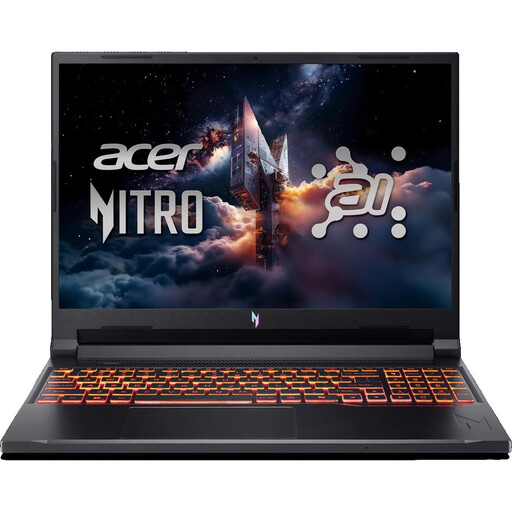 No image available
The listed Windows 11 configuration comes with a 1-TB SSD for storing project files and documentation locally.
It has 16 GB RAM. Google recommends 16 GB RAM and 16 GB of storage for a good Android emulator experience; you’ll need additional free storage space.
Operating system: Windows 11 Home.
 No image available
This Windows configuration offers local SSD storage for downloaded documentation and project files.
Display: 16-inch WUXGA. Memory: 16 GB DDR5. Operating system: Windows 11 Pro Education.
If you plan to use Android emulators, also check the available storage space and processor architecture.
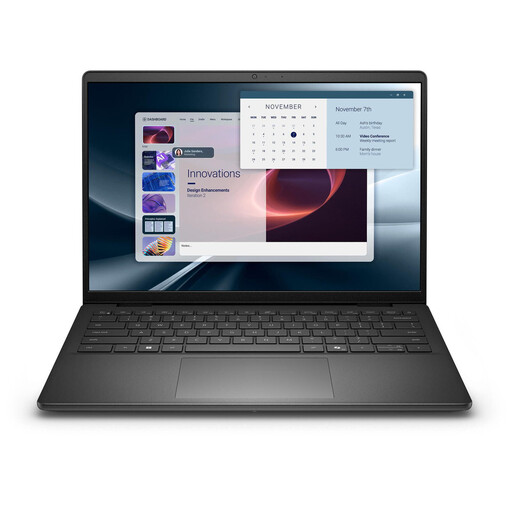 No image available
This Windows 11 Pro model is described as a 14-inch laptop and comes with a listed 1-TB SSD for local files.
Memory: 16 GB. If you plan to use Android Studio on Windows, check the processor architecture of the specific configuration before buying.
Display: Full HD+; operating system: Windows 11 Pro.
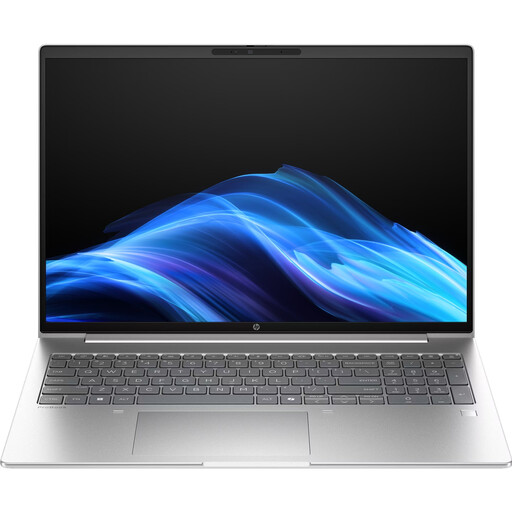 No image available
This Windows 11 Pro configuration offers SSD storage for documentation and project files saved locally.
Memory: 16 GB DDR5. Display: 16-inch WUXGA IPS.
If you want to use an Android emulator, check the available storage space and the requirements of the version you’re using, as well as the memory.
 No image available
As a Mac running macOS, this model is an option for native iOS development with Xcode. Check that it’s compatible with the version of Xcode you need.
This product variant is listed with 24 GB of unified memory and a 1-TB SSD. The display measures 13.6 inches.
The product description states that a power adapter isn’t included and must be purchased separately.
No. The important thing is to save the documentation you need locally in advance. The Python Software Foundation, for example, offers downloadable documentation archives. Test your offline workflow with the tools you’ve chosen.
No. According to Google, you can also use a physical Android device to test native Android apps. If you use an emulator locally, allow for its separate resource requirements.
There’s no general answer without knowing which tools you’ll use and the size of your project. Google recommends 16 GB RAM for a good Android emulator experience; larger virtual devices or higher API levels may need more resources.
For consumer contracts made online, the Verbraucherzentrale says you generally have a 14-day right to cancel, and you must notify the seller that you’re cancelling. Your statutory rights for faulty goods are separate from any voluntary guarantee. Section 438 of the German Civil Code (BGB) generally sets a two-year limitation period for ordinary goods, starting from delivery; the specific contract and any exceptions remain relevant.