
Lieferung heute & morgen

Qualitätsgarantie

Willkommens-Angebote freischalten: KOSTENLOSE Lieferung | Bis zu 80 % RABATT | Kostenlose 30-Tage-JoyPlus-Testphase
App herunterladen
Whether you’re looking for glass containers with lids, measuring jugs, drinking straws or an electric glass kettle, borosilicate glass kitchenware is often promoted for its heat resistance, hygiene and versatility. These qualities can be useful in everyday life, but they always depend on factors such as the thickness of the material, the lid material, temperature limits and the product’s design.
So, if you’re buying kitchenware for storage, heating, coffee or tea, don’t rely on claims such as ‘heat-resistant’ or ‘shatterproof’ alone. Clear product information and straightforward usage instructions are what matter.
Compared with ordinary glass, borosilicate glass expands less when heated. This can help it withstand changes in temperature, but it isn’t unbreakable. Moving it from a very cold environment to a hot one, or putting it in contact with cold water straight after taking it out of the oven, can cause thermal shock.
Even if the manufacturer says a container is suitable for temperatures of up to 400 °C, that doesn’t automatically mean you can use it on a hob, over an open flame or on another direct heat source.
Many glass food storage containers have lids made from plastic, Tritan or polypropylene. These lids may seal airtight, but that doesn’t necessarily mean they’re suitable for the oven or microwave. Before heating, remove the lid completely if the instructions say to do so.
A multi-piece set may look practical at first, but in a small kitchen, containers in different sizes can take up a lot of storage space. For a single-person household, sizes from 380 to 750 ml may be more suitable, for example, while families and people who prepare meals in advance may prefer containers of 1 to 2 litres.
Look for the specific material description borosilicate glass and check the stated temperature range. For glass containers suitable for the oven and microwave, also check whether the lid needs to be removed. If you plan to store the container in the freezer, look for a separate temperature rating.
‘Heat-resistant glass’ doesn’t automatically mean a product is suitable for every heat source. For an electric glass kettle, you should also check the mains voltage, power rating, boil-dry protection and automatic shut-off. Ratings such as 220–240 V should be suitable for use in German households.
For airtight glass containers, the silicone seal and how it should be cared for are just as important as the locking clips. Removable seals are easier to clean thoroughly. Also check whether the lid is dishwasher-safe and whether it needs to be removed before heating.
A glass measuring jug with a capacity of 350 or 500 ml is useful for smaller quantities and measuring ingredients while cooking. Rectangular containers are often more space-efficient for storing casseroles, soups or prepared meals. When choosing a glass coffee pot or glass French press, make sure the capacity suits the number of cups you usually make.
Glass drinking straws also need to be the right length and diameter for the glass or bottle you use. A cleaning brush is useful for narrow models.
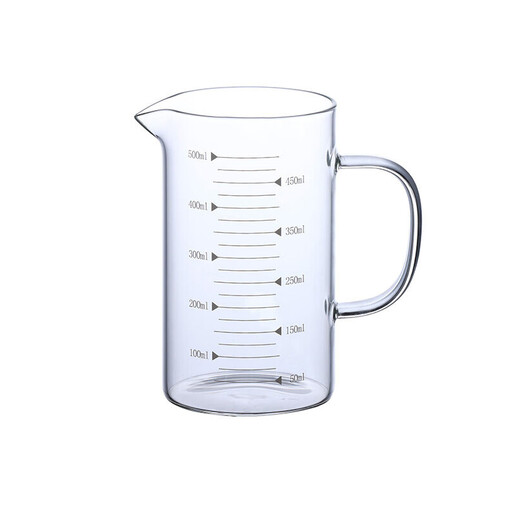
Why this product suits this profile: This 500 ml measuring jug is handy for smaller kitchen tasks, measuring liquids and portioning ingredients accurately while cooking. Its markings make it easy to measure without needing another measuring vessel.
The clearly stated capacity means you won’t need to buy a large food storage set for a simple measuring task. Check the product page for temperature limits before use.
500 ml capacity and integrated markings; described as borosilicate glass in the product name.
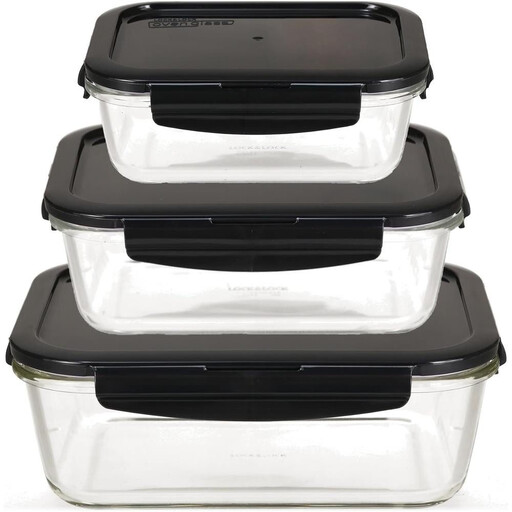
Why this product suits this profile: This set covers a range of everyday needs, including storage, freezing, reheating and serving. It contains containers with capacities of 630 ml, 1,000 ml and 2,000 ml.
The product description lists each capacity, confirms whether the containers are suitable for the oven, microwave, freezer and dishwasher, and explains that the lids need to be removed before heating.
Three sizes, airtight lids with silicone seals, and a glass container that the manufacturer says is suitable for temperatures of up to 400 °C without its lid.
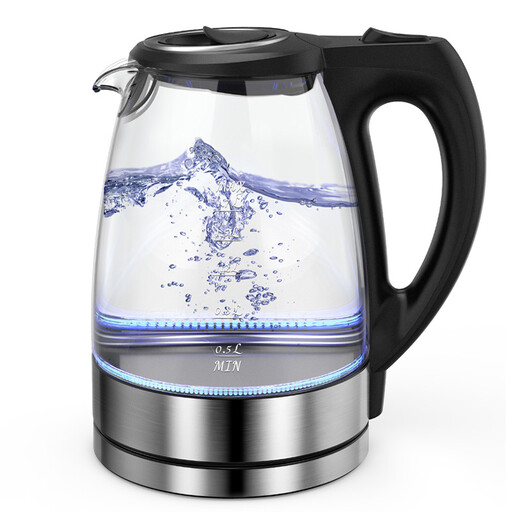
Why this product suits this profile: The 1.7-litre capacity is suitable for making several cups at home. According to the product information, this electric glass kettle has a power rating of 1.850–2.200 W, a 360-degree base, and automatic shut-off if it overheats or boils dry.
The electrical safety features are clearly specified. You’ll still need to keep the water below the MAX mark, and regular descaling is part of routine maintenance.
1.7-litre capacity, a borosilicate glass body and a 304 stainless steel heating plate, according to the manufacturer.
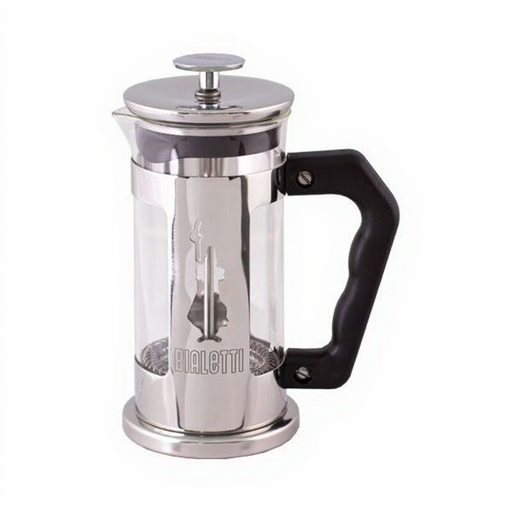
Why this product suits this profile: This glass French press makes three cups and combines a borosilicate glass container with a stainless steel frame. It’s suitable for coffee or tea and, according to the product information, is dishwasher-safe.
The maximum temperature is stated as 120 °C, making it clear that the container isn’t designed for unlimited temperatures or direct heat sources.
350 ml capacity, stainless steel frame and stated dishwasher suitability; observe the 120 °C temperature limit.
We’ve put together a complete, regularly updated list of products that meet these strict selection criteria and fully comply with the safety regulations in force in the EU.
It depends on the product. Some oven-safe glass containers are suitable for temperatures up to a specified limit, according to the manufacturer. Lids usually need to be removed. Direct flames and hobs are generally not suitable.
There’s no general way to state a fixed lifespan. With careful use, this material can last for years in the home. Impacts, drops, thermal shock and damaged seals affect how long a product lasts more than the glass material alone.
Many microwave-safe glass containers can be heated without their plastic lids. Some models may have lids with a venting function. Always follow the information provided by the individual manufacturer.