
Lieferung heute & morgen

Qualitätsgarantie

Willkommens-Angebote freischalten: KOSTENLOSE Lieferung | Bis zu 80 % RABATT | Kostenlose 30-Tage-JoyPlus-Testphase
App herunterladen
Planning a new kitchen or upgrading an existing one is an investment in your daily life. A central element of this is the hob. A Bosch 60 cm induction hob is high on many wish lists, as it represents quality, efficiency, and modern design. However, the market is saturated with models offering a wide variety of features, which can make the selection process difficult. Before you make a decision, it's crucial to understand the common pitfalls that can lead to frustration and unnecessary costs.
Two common mistakes when choosing a hob are overlooking the actual installation requirements and investing in superfluous features that are rarely used in daily cooking. A seemingly good deal can quickly turn into an expensive mistake if subsequent adjustments to the countertop or electrical wiring become necessary. Likewise, a confusing user interface can diminish the joy of cooking every day.
To make an informed decision, you should focus on the technical specifications that provide real value. For a 60 cm built-in induction hob, these are primarily the connection requirements, performance functions, and control logic.
A standalone induction hob means it can be installed and operated independently of an oven. This offers maximum flexibility in kitchen design. However, be sure to consider the following points:
Marketing terms can be confusing. Focus on features that are proven to save time and increase safety.
The surface of a modern hob is made of glass-ceramic. This material is robust and heat-resistant but requires proper care. Spilled sugary liquids or melted plastic should be removed immediately with a glass scraper while the surface is still warm. For daily cleaning, a damp cloth and a specialised glass-ceramic cleaner are sufficient.
Choosing the right model depends on your individual cooking habits and requirements. Here are three recommendations tailored to different user profiles.
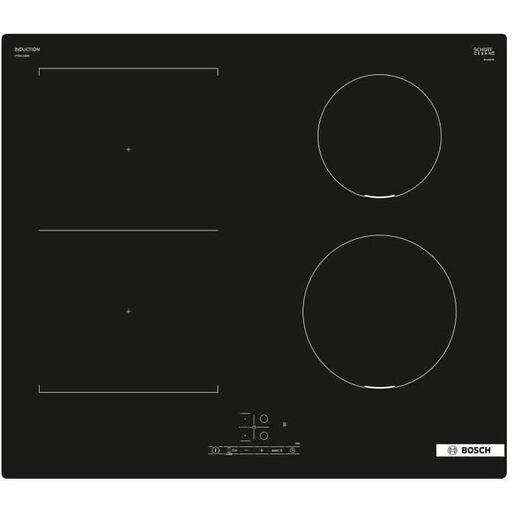
Why This Fits Their Persona: Ideal for users seeking a reliable, durable solution from an established brand. This Bosch Series 4 model focuses on essential, field-tested functions without unnecessary bells and whistles.
It avoids the pitfall of feature bloat. Instead, with PowerBoost and TouchSelect, it offers precisely the features that enhance efficiency and comfort in daily use.
The ReStart function briefly saves the last setting if the hob is accidentally switched off. The TouchSelect control is direct and straightforward.
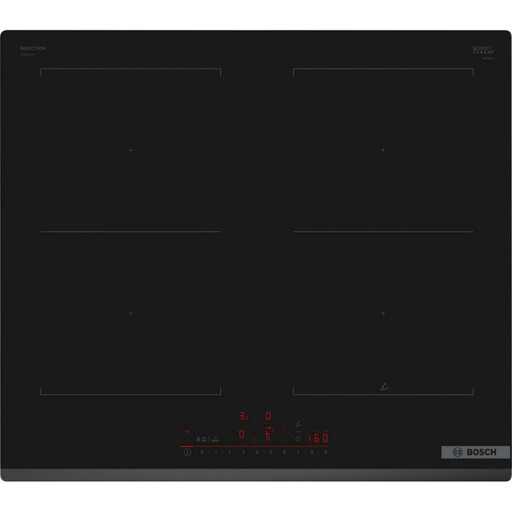
Why This Fits Their Persona: Perfect for ambitious cooks who often work with large or unconventionally shaped cookware like roasting pans or griddles. The flexibility of the cooking zones is the decisive factor here.
Instead of rigid cooking zones, the CombiZone (FlexInduction) offers an adaptable surface. This is a worthwhile investment for users who actually need this flexibility.
The CombiZone allows two cooking zones to be linked into one large, continuous surface for even heat distribution with large cookware.
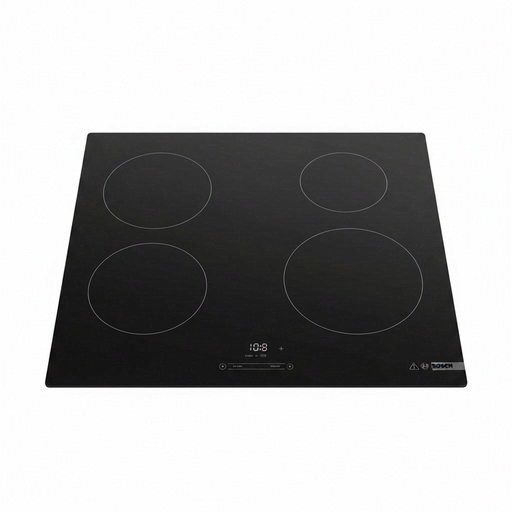
Why This Fits Their Persona: For users who value maximum precision and speed. The fine-grained power levels and rapid readiness are the main focus here.
This model focuses on the core competency of induction: fast and precisely controllable heat. It forgoes complex automatic programs in favour of direct control.
Offers 17 power levels for very fine temperature control. The QuickStart function automatically detects the pot's position and activates the corresponding zone.
We have compiled a complete, up-to-date list of products that fully meet these strict selection criteria and local safety regulations.
An induction hob generates heat via an electromagnetic field directly in the base of the pot. Therefore, only cookware with a ferromagnetic base will work. This includes pots and pans made of cast iron, enamelled steel, and special induction-compatible stainless steel. You can easily test if your existing cookware is suitable: if a magnet sticks to the base of the pot, it is generally induction-compatible. Cookware made of pure aluminium, copper, or glass will not work.
The lifespan of a high-quality induction hob depends heavily on professional installation, correct usage, and proper care. Appliances from brand manufacturers like Bosch are designed for a long service life and can often last 10 to 15 years or longer with proper handling. Furthermore, for many models like the PVS611BB6E, Bosch guarantees the availability of spare parts for a period of 11 years, which supports reparability and longevity.
Yes, induction technology is generally more energy-efficient compared to conventional glass-ceramic (radiant heating) or gas hobs. The reason is that energy is transferred directly into the base of the cookware with virtually no loss. The glass-ceramic surface itself is only heated indirectly by the residual heat from the pot. This results in shorter heat-up times and lower overall energy consumption during cooking.