
Lieferung heute & morgen

Qualitätsgarantie

Willkommens-Angebote freischalten: KOSTENLOSE Lieferung | Bis zu 80 % RABATT | Kostenlose 30-Tage-JoyPlus-Testphase
App herunterladen
Choosing a new built-in oven can be complex. Manufacturers advertise a wide array of features, but not all of them deliver on their promises. Especially with advanced appliances like a Bosch built-in oven with Pyrolytic cleaning and Air Fry, it's crucial to separate the wheat from the chaff to avoid a poor investment. Many buyers fall into traps that severely limit the appliance's everyday usefulness.
Common Pitfalls When Buying a Modern Oven:
To ensure your new oven meets your expectations, you should carefully examine three core parameters. These define the appliance's convenience, cooking results, and longevity.
The type of self-cleaning is a decisive convenience feature. There are fundamental technological differences here:
For households that want minimal cleaning effort and maximum hygiene, pyrolytic cleaning is the superior technology.
Modern ovens offer more than just top and bottom heat. Two functions are particularly noteworthy:
An appliance that offers both covers health-conscious cooking as well as demanding baking tasks.
A Home Connect oven offers real value when the app integration is thoughtfully designed. Look for the following features:
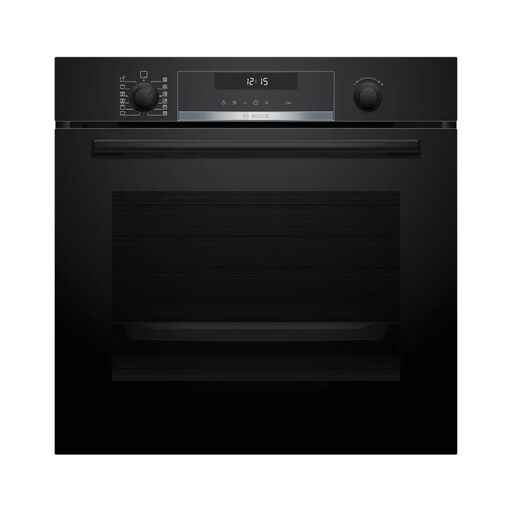
Why This Fits Their Persona: Ideal for households seeking a modern kitchen setup with maximum convenience. This model combines the three most sought-after premium features: Pyrolytic self-cleaning, a dedicated Air Fry function, and full smart home integration via Home Connect.
This appliance offers a true Pyrolytic function that incinerates residue to ash, not just steam assistance. The Air Fry function is a standalone programme with the right accessory for authentically crispy results.
Combines Pyrolytic cleaning, Air Fry, and Home Connect in one unit. Features 30 automatic programmes (AutoPilot) and a high A+ energy efficiency rating.
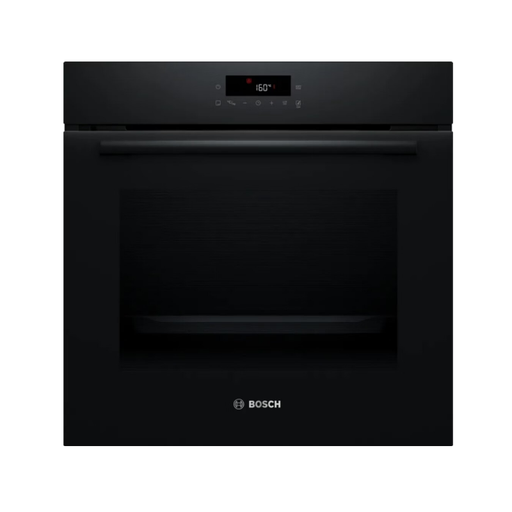
Why This Fits Their Persona: Perfect for buyers who prioritise the most important convenience feature—Pyrolytic cleaning—during a kitchen upgrade, but can forgo extra features like Air Fry or app control to stay on budget.
This model focuses on the essentials: an uncompromising Pyrolytic function. It bypasses the premium for trend-driven features, instead offering proven Bosch quality and durability in a classic 60 cm black built-in oven.
Full Pyrolytic functionality and useful AutoPilot 10 automatic programmes. The quadruple-glazed door ensures a low external temperature even during the pyrolytic cycle.
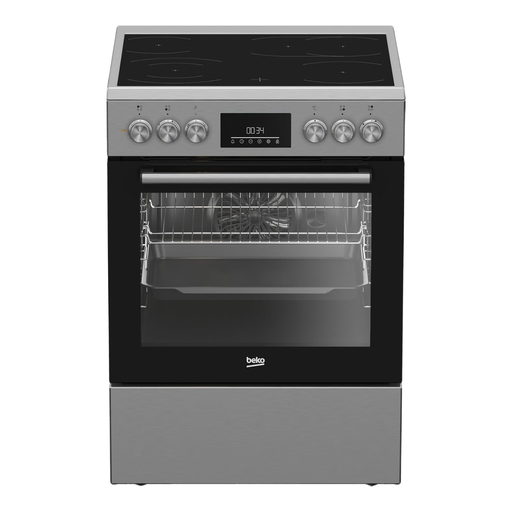
Why This Fits Their Persona: An excellent choice for kitchens without a suitable built-in niche or for renters who need a flexible all-in-one oven and hob solution. It offers a large oven cavity and a modern stainless steel finish.
This model offers a clear alternative to a built-in appliance and transparently positions its SteamShine function as a steam-assisted cleaning aid, not as fully automatic pyrolytic cleaning. This allows for an honest trade-off between price and convenience.
Freestanding all-in-one solution with a ceramic hob (including a roasting and dual-circuit zone). Large 72-litre oven cavity and 8 heating modes for versatile cooking options.
We have compiled a complete, up-to-date list of products that fully meet these strict selection criteria and UK safety regulations.
3D Hot Air is designed to distribute heat evenly across multiple levels in the oven cavity. This is ideal for baking cakes or biscuits on up to three trays at once, as it ensures consistent results without needing to swap the trays. The Air Fry function, on the other hand, generates a much more intense and targeted flow of hot air. In combination with a perforated tray, the hot air circulates around the food from all sides, drawing out moisture and creating a crispy texture, similar to a deep-fryer but with significantly less fat.
Yes, in most cases. Ovens with a pyrolytic function have a high power rating (often 3.6 kW or more) to reach the high temperatures required for cleaning. Therefore, they typically need to be hardwired to a dedicated high-power circuit and cannot be operated via a standard wall socket. Installation must be carried out by a qualified electrician.
A pyrolytic cycle, which can last from 1.5 to 3 hours depending on the level of soiling, consumes significantly more energy than a normal cooking process. Consumption is typically between 3 and 5 kWh per cycle. However, since the function is only used as needed (e.g., every few months), the annual additional costs are manageable. It also replaces the need to purchase and use chemical oven cleaners. Modern appliances with an A+ energy efficiency rating are very economical in regular operation.