
Lieferung heute & morgen

Qualitätsgarantie

Willkommens-Angebote freischalten: KOSTENLOSE Lieferung | Bis zu 80 % RABATT | Kostenlose 30-Tage-JoyPlus-Testphase
App herunterladen
Bose headphones come as comfortable over-ear models, compact earbuds and open Bluetooth headphones. The right choice depends on more than just sound quality. Fit, noise cancellation, battery life, water resistance and whether you need to hear ambient noise are all key factors.
If you are searching for headphones for the train, an open-plan office or exercise, you will quickly come across similar marketing claims: “immersive sound”, “powerful noise cancellation” or “all-day use”. Without technical context, these terms don’t tell you much. The following criteria will help you make an informed comparison of Bose noise-cancelling headphones and Bose earbuds.
Active noise cancellation, or ANC, reduces certain external sounds using microphones and anti-noise. This can be useful on the train, a plane or in the office. However, on the street, when cycling or crossing a road, it is important to be aware of your surroundings. An Aware or Transparency mode is therefore just as relevant for many users as the strongest ANC setting.
“Up to” describes a value achieved under specific conditions. Activated spatial audio, high volume, phone calls and frequent Bluetooth connections can all reduce battery life. For over-ear models, up to 24 hours is common; some variants claim up to 30 hours when certain audio features are not constantly active. With Bose earbuds, the charging case capacity adds to this and should be considered separately from the battery life per charge.
Bose over-ear headphones distribute pressure through the ear cushions and headband. Bose earbuds, on the other hand, sit directly in the ear. Different ear tips and stability bands can help, but they don’t replace a personal fit test. Open models like the Bose Ultra Open Earbuds sit on the outside of the ear and do not seal the ear canal. However, they offer no noise isolation.
Pay attention to the available listening modes. A Quiet mode usually means stronger noise cancellation, while Aware lets your surroundings in. Features like Bose Immersive Audio, Bose TrueSpatial or a Cinema mode change the spatial presentation. However, they often require more power. The key question is whether you will use these features regularly or only occasionally for films and certain music recordings.
For frequent travellers, a realistic battery life and a quick-charge function are more important than a single peak figure. A USB-C port makes it easier to charge with existing power adapters. A cable connection can be useful if the battery is flat or if you prefer a wired connection. For sports earbuds, also note the IPX4 rating: it means protection against splashes, not for swimming or showering.
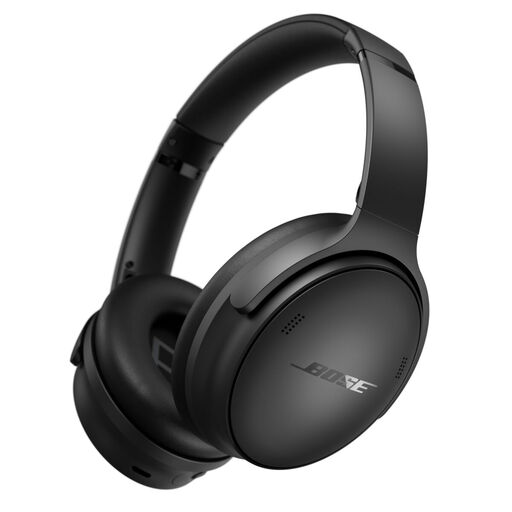
Why this product fits the profile: The over-ear design, Quiet and Aware modes and up to 24 hours of battery life cover typical everyday and commuting needs.
The specifications separate ANC modes, battery life and wired use. This makes it easier to assess real-world performance.
Up to 24 hours of battery life, Bluetooth Multipoint and a 3.5 mm audio cable for flexible use.
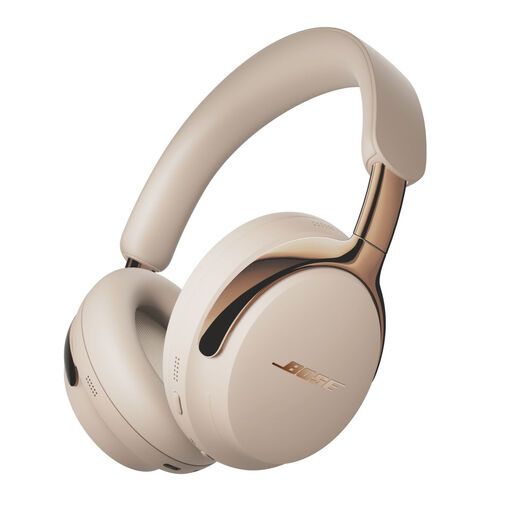
Why this product fits the profile: If you are looking for spatial audio, CustomTune and a flexible connection for music and films, this over-ear model offers several configurable features.
Battery life is stated as up to 30 hours, and up to 23 hours with Immersive Audio activated. This makes the power consumption of features transparent.
Bluetooth 5.4, USB-C audio, 2.5 mm connection, CustomTune and up to 30 hours of battery life according to product specifications.
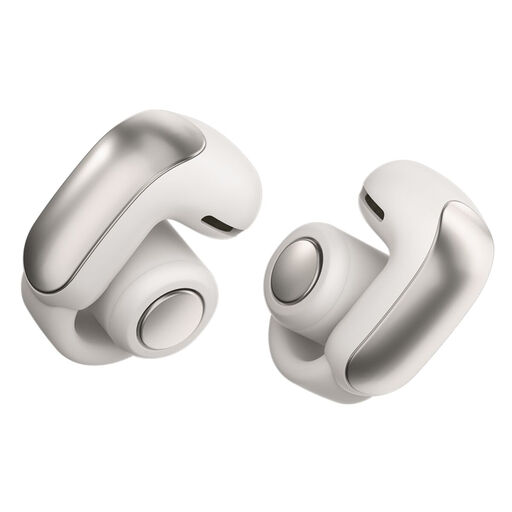
Why this product fits the profile: For walks, light exercise and situations where you need to be aware of your surroundings, the open clip-on design offers an alternative to ANC earbuds.
This model is not classified as noise-isolating. The open design and its limitations are clearly stated in the purchase rationale.
OpenAudio design, Bluetooth Multipoint, approximately 7 hours of battery life per charge and IPX4 splash protection.
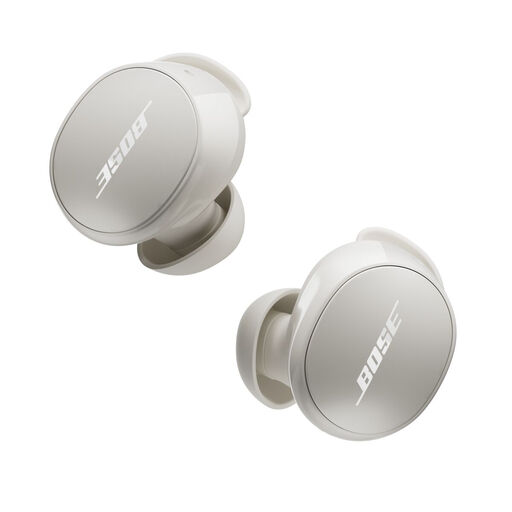
Why this product fits the profile: These compact earbuds combine ANC, IPX4 splash protection and up to 8.5 hours of battery life with a fit using ear tips in three sizes.
Battery life per charge is considered separately from charging time. Additionally, splash protection is not equated with being waterproof.
Up to 8.5 hours of battery life, Bluetooth Multipoint, ANC and IPX4 protection for everyday use and workouts.
We have put together a complete, regularly updated list of products that fully meet these strict selection criteria and the safety regulations in force in the EU.
Turn on the headphones or earbuds and open the Bluetooth settings on your smartphone. Select the Bose model that appears. The Bose Music app can help with setup, firmware updates and adjusting ANC, the equaliser or listening modes.
The lifespan depends on the battery, cushions, hinges and care. It is not possible to give a specific overall figure. Only charge with suitable USB-C cables, protect the device from heat and moisture, and store over-ear models in their carry case. Wear parts like ear cushions may be available separately depending on the model.
Yes, active noise cancellation and spatial audio modes require additional power. The actual battery life may therefore be lower than the stated maximum. If you want to listen for as long as possible without recharging, you can deactivate spatial features and compare the manufacturer’s figures for each listening mode.