
Lieferung heute & morgen

Qualitätsgarantie

Willkommens-Angebote freischalten: KOSTENLOSE Lieferung | Bis zu 80 % RABATT | Kostenlose 30-Tage-JoyPlus-Testphase
App herunterladen
A bottle and can opener is found in many British households, but it is often only missed when a jar will not open or a manual can opener slips. There are clear differences between a simple bottle opener, kitchen can opener, jar opener and multifunctional opener in terms of design, materials and intended use.
If you focus only on a low price or a versatile product description, it is easy to overlook important details. The following criteria will help you choose the right opener for the kitchen, bar, picnic or when you are out and about.
A multifunctional opener can perform several tasks, but it will not necessarily handle each one equally well. For example, a small beer bottle opener is not automatically suitable for opening screw tops or tins. What matters is whether the mechanism is designed for the type of closure you intend to open.
The term stainless steel opener initially describes only the material used. It says little about how stable the connection is between the handle, cutting wheel, spiral or lever. Even a stainless steel model can bend if used incorrectly or become damaged by moisture. Information about the combination of materials, dimensions and cleaning is therefore more relevant than purely promotional wording.
Very short or narrow handles often require more pressure and precise hand positioning. For people with limited hand strength or for frequent use, an oval handle, a larger lever surface and a less slippery finish may be more practical. A compact opener saves space, but is not automatically comfortable to use.
First, be clear about which types of closure you regularly need to open:
A model for several types of closure can save storage space. For one frequently performed task, however, a specialised opener is often easier to use.
Stainless steel is widely used for kitchen openers because it is easy to care for and suitable for contact with household foodstuffs. Even so, the manufacturer’s cleaning instructions should be followed. Some products are dishwasher-safe, while others are intended for hand washing only.
Plastic handles can reduce weight and make the opener more comfortable to use. With a corkscrew, the design of the spiral is also important: a sturdy stainless steel spiral should sit firmly in the handle and be able to turn straight into the cork.
The dimensions affect both ease of use and storage. A 15 cm-long can opener fits in many drawers and is easy to carry thanks to its low weight. Larger lid openers, on the other hand, often provide more leverage. A hanging loop or magnetic element can make it easier to store the opener on a kitchen rail or fridge.
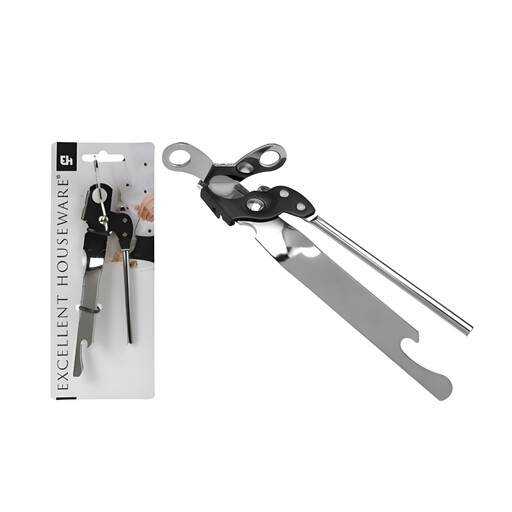
Why this product suits the profile: This manual kitchen opener is 15 cm long, weighs 0,100 kg and focuses on opening tins. Its compact size is well suited to smaller kitchens or a kitchen drawer.
Its clear specialisation means you do not pay for several functions that are only partly suitable. According to the product information, the stainless steel construction is intended for everyday use.
Stainless steel construction, silver finish, low weight and space-saving 15 cm length.
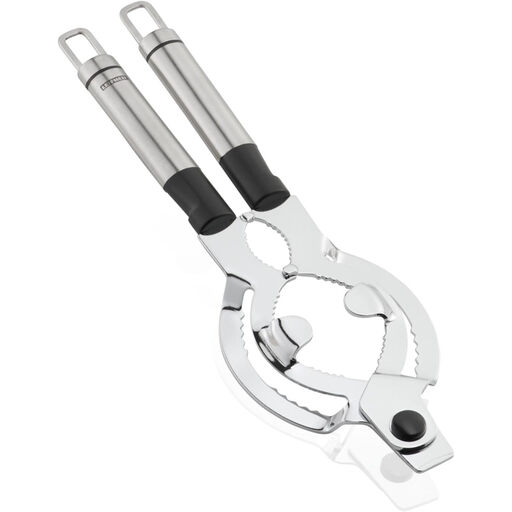
Why this product suits the profile: This 27,9 cm-long jar and lid opener features an oval handle, an adjustable mechanism and an integrated crown cap opener. This can be helpful for different lid sizes and frequent use in the kitchen.
The adjustable construction is designed for different lid sizes. The handle provides a defined contact surface rather than relying on a small leverage point.
Stainless steel with black plastic elements, hanging loops, integrated bottle opener and manual operation.
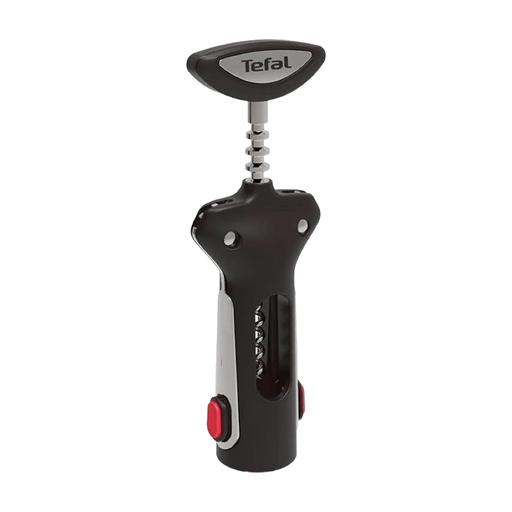
Why this product suits the profile: This 2-in-1 wine opener combines a winged corkscrew with an integrated foil cutter. Measuring 23,3 × 12,2 cm, it is primarily designed for kitchens, home bars and wine bottles.
The two functions are clearly combined rather than merely suggested through interchangeable individual parts. This makes it clear before purchase that the opener is designed for wine bottles and foil.
Winged corkscrew, integrated foil cutter, black plastic housing and manual operation.
We have put together a complete, regularly updated list of products that fully meet these strict selection criteria and the safety regulations applicable in the EU.
For regular use in the kitchen, a can opener with a straightforward mechanism and an easily accessible handle is a sensible choice. If you often open jam jars, preserving jars or bottles, look for an adjustable jar opener with sufficient leverage.
For picnics, balconies or travelling, low weight, compact dimensions and easy cleaning are more important. A 12 cm-long corkscrew with a plastic handle and stainless steel spiral can cover several types of drink, provided its size suits your transport needs. For beer bottles and crown caps, a simple beer bottle opener is usually sufficient.
After use, openers should be cleaned according to the manufacturer’s instructions and dried thoroughly. Damaged cutting wheels, bent levers or loose spirals should no longer be used. With glass containers, remember: do not apply an opener to cracked or chipped jars and bottles.
A model with an ergonomic handle, stable support and a larger leverage surface can make it easier to use. For lids, adjustable mechanisms are often more practical than very small combination tools. However, the force required also depends on the closure, the vacuum and the condition of the container.
There is no single answer regarding service life. It is affected by the materials, construction, frequency of use, cleaning and storage. Stainless steel parts should be stored dry. With a can opener, the cutting wheel, axle and handle connection should be checked regularly for signs of wear.
Not every model can be put in the dishwasher. According to the manufacturer’s instructions, some products are dishwasher-safe, while others should only be cleaned by hand. Before using the product for the first time, check the specific care instructions for the model in question.