
Lieferung heute & morgen

Qualitätsgarantie

Willkommens-Angebote freischalten: KOSTENLOSE Lieferung | Bis zu 80 % RABATT | Kostenlose 30-Tage-JoyPlus-Testphase
App herunterladen
A reusable water bottle is a practical everyday companion. However, the search for the right model can quickly become overwhelming. Many users report similar problems: bottles advertised as leak-proof leave wet spots in their bags, or the material discolours and absorbs odours after a short time. Before you make a decision, it's helpful to know the most common pitfalls that can lead to buyer's remorse.
To make an informed decision, you should check a few key parameters. These objective criteria will help you find a bottle that can withstand the demands of daily life.
The choice of material is crucial for the durability and intended use of your bottle. The BPA-free label is now standard for most manufacturers and means the plastic was produced without the chemical Bisphenol A. This is a baseline requirement, but the quality of the plastic itself is just as important.
Making a water bottle leak-proof is the primary job of the lid. There are various systems available, and their suitability depends on your usage habits.
A high-quality silicone seal is a must for a reliable seal on all lid types.
The ideal on-the-go water bottle depends on your habits.
Based on these objective criteria, we have put together a few models for different use cases.
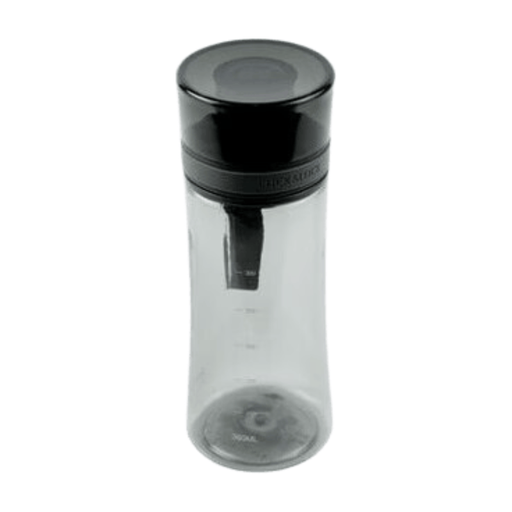
Why This Fits Their Persona: Ideal for the commute to work or the office. Its compact size fits into standard cup holders and backpack side pockets. The spout allows for controlled, one-handed operation while driving or at your desk.
The secure locking mechanism and high-quality silicone seal prevent leaks in your bag. The Tritan material is impact-resistant and stays clear without absorbing odours.
Compact, cup-holder-friendly design. Allows for one-handed drinking via the integrated spout.
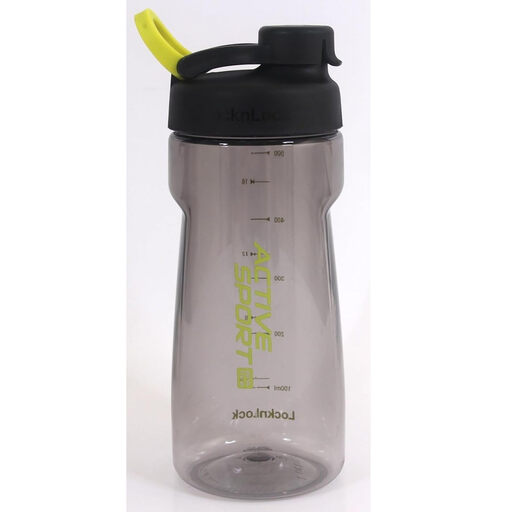
Why This Fits Their Persona: With a 730 ml capacity, this bottle provides enough hydration for longer training sessions. The one-handed flip-top lid is ideal for a quick sip without interrupting your workout.
The lid features a locking clip that prevents accidental opening during movement. The robust Tritan material withstands the stresses of sports without breaking or deforming.
Large volume (730 ml) and a secure one-handed lid with an additional lock. Includes a carrying strap.
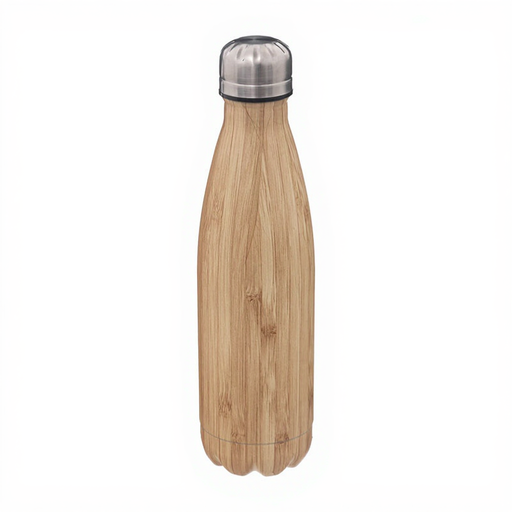
Why This Fits Their Persona: For users who want to enjoy their tea or coffee warm for hours, or keep their water cold on hot days. The stainless steel material is taste-neutral and durable, ideal for daily use and outings.
The stainless steel material is naturally durable and does not absorb odours or discolour. The airtight screw-top lid ensures a reliable seal without complex, failure-prone parts.
Insulation function for keeping drinks hot and cold. Made from durable and food-safe stainless steel.
We've compiled a complete, up-to-date list of products that fully meet these strict selection criteria and safety standards.
How do you properly clean a reusable water bottle to prevent odours? For daily cleaning, warm water and mild dish soap are sufficient. Disassemble the lid, if possible, to clean all gaskets separately. To remove stubborn odours, you can fill the bottle with a mixture of warm water and a spoonful of baking soda and let it sit for a few hours. Afterwards, rinse it thoroughly and let it air dry, preferably with the lid off.
Is a Tritan water bottle suitable for carbonated drinks? This depends on the manufacturer and the lid design. Some bottles, like the Mepal Ellipse, are explicitly designed for this purpose according to the manufacturer. For most standard Tritan bottles, it is not recommended, as the pressure created by carbonation can damage the seal or lead to leaks. Always check the manufacturer's instructions before filling with carbonated beverages.
What does "dishwasher-safe" mean for water bottles? "Dishwasher-safe" means the material can withstand the temperatures and detergents in a dishwasher. However, many manufacturers recommend cleaning in the top rack at lower temperatures to extend the life of the material and any prints. Especially with Tritan bottles, hand washing can help maintain the material's clarity over the long term. Insulated stainless steel bottles should generally be washed by hand to avoid damaging the insulation performance.