
Lieferung heute & morgen

Qualitätsgarantie

Willkommens-Angebote freischalten: KOSTENLOSE Lieferung | Bis zu 80 % RABATT | Kostenlose 30-Tage-JoyPlus-Testphase
App herunterladen
A bottle opener is part of the basic equipment in many households. Yet it is often only when you use one that you discover whether a model really suits your everyday needs: the handle slips, the cork breaks or the opener works for crown caps but not screw-top jars. Choosing a product based solely on attractive design or an especially wide range of functions does not necessarily mean choosing the right one.
As a Joybuy Product Recommendation Officer, I filter the relevant product features and organise them according to specific usage scenarios. This helps you avoid common buying mistakes.
A multifunctional bottle opener may combine a corkscrew, foil cutter, crown-cap opener and knife. This is practical, provided that each component is sturdy and easy to access. With very small models, however, the lever, spiral or knife can be difficult to use. For occasional use, a compact manual bottle opener is often sufficient; for regular wine evenings, a more ergonomic model is worth considering.
“Metal” alone says little about how suitable a product is for everyday use. What matters is the material used for the spiral, lever and blade. Stainless steel is hygienic and easy to care for when used for the spiral or bottle opener. Plastic can make for a comfortable handle, but it should appear sufficiently sturdy and shape-retaining. For coated parts, follow the care instructions, as harsh cleaners or prolonged soaking can damage the surface.
A wine opener kept in a kitchen drawer can be larger and more comfortable to use. For picnics, travel or the balcony, a folding waiter’s knife with a compact folded size is usually more suitable. A long jar opener, on the other hand, needs sufficient leverage and a secure grip. Before buying, you should therefore compare the dimensions, weight and range of functions with where and how the product will actually be used.
When opening wine bottles, the spiral should enter the cork straight and turn in a controlled manner. A corkscrew with a lever mechanism can make removal easier, while a simple corkscrew model takes up less space. A wine opener or waiter’s knife with a two-stage lever is particularly useful if you regularly open natural or synthetic corks.
Sekt and champagne have different requirements. A champagne opener should allow controlled handling. A suitable stopper can also help reseal the bottle after opening. Because of the pressure inside the bottle, always proceed carefully and follow the manufacturer’s instructions.
A secure grip reduces slipping when turning or lifting. Ergonomic shapes, textured surfaces and sufficient space between your hand and the metal parts are practical criteria. For frequent use in catering or behind a bar, a robust waiter’s knife with an easily accessible foil cutter is a sensible choice. An electric corkscrew can automate the twisting process, but it requires a power supply and a safe place to store it.
Bottle openers come into contact with drink residues, cork particles and, where applicable, foil. Models with smooth stainless-steel surfaces can usually be wiped clean easily. Whether a product is dishwasher-safe must be stated in the relevant product information. Coated spirals and electrical devices often require cleaning with nothing more than a damp cloth.
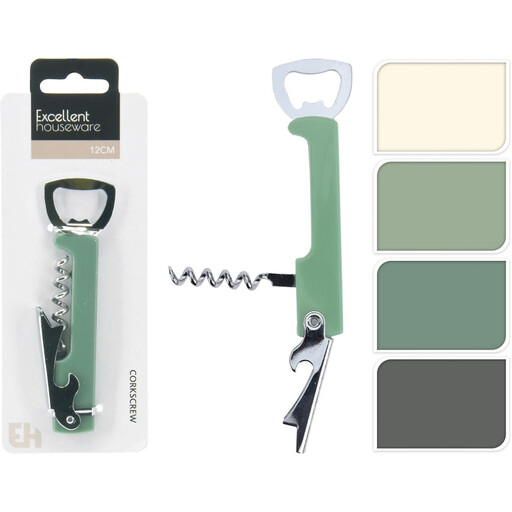
Why this product suits this profile: This 12cm model combines a manual corkscrew with a bottle-opener function, making it suitable for the kitchen, bar, picnics or parties. The plastic handle is compact and the spiral is made from stainless steel.
The straightforward design leaves out unnecessary additional mechanisms. This makes it clear which functions are intended for wine and drinks bottles.
Compact length, stainless-steel spiral and several essential opening functions in one manual kitchen accessory.
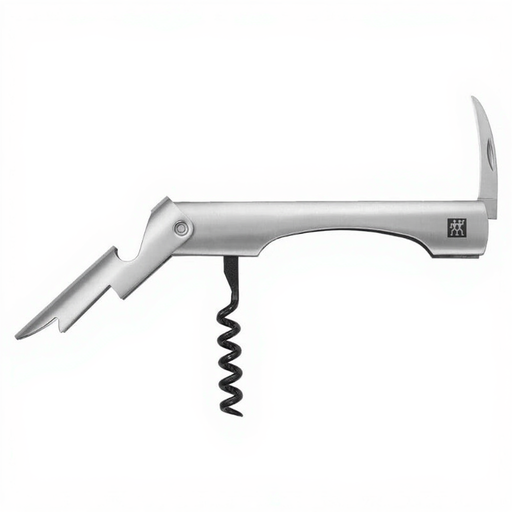
Why this product suits this profile: This folding waiter’s knife made from 18/10 stainless steel combines a corkscrew, foil cutter and beer-bottle opener. It is designed for wine lovers, hosts and anyone looking for a compact tool for the table, kitchen or travel.
The functions are clearly separated and protected when folded away. Before buying, users should consider whether they are comfortable handling the integrated knife.
18/10 stainless steel, folding design, coated spindle and three clearly specified functions.
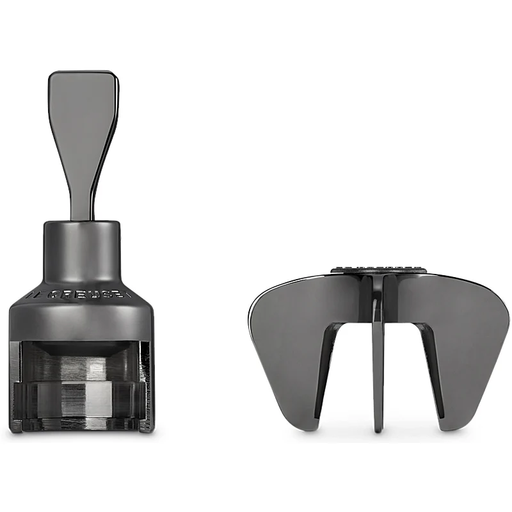
Why this product suits this profile: This two-piece set combines a champagne opener with a stopper for sparkling wine. It is ideal for hosts and households where opened bottles are not always poured out completely straight away.
It is not presented as a universal opener, but is intended for a clearly defined specialist purpose. This avoids creating false expectations of a classic beer or wine opener.
Two-piece set, metal construction and an additional stopper with rubber seal, as stated in the product description.
We have put together a complete, regularly updated list of products that fully meet these strict selection criteria and the safety regulations applicable in the EU.
A bottle opener should be cleaned of drink residues and pieces of cork after use, then dried thoroughly. With an electric corkscrew, the housing and charging area must not be submerged in water. Sharp foil cutters and spirals should be kept out of children’s reach. Damaged corkscrews, loose joints or bent levers should no longer be used.
The actual service life depends on the material, frequency of use and the amount of force applied. Clear manufacturer cleaning instructions are therefore more important than a general advertising claim about durability. For screw-top jars, a separate jar opener may be more suitable, such as a model with an adjustable mechanism and an additional crown-cap opener.
A waiter’s knife or another multifunctional bottle opener with a corkscrew and crown-cap opener is suitable for both uses. If you only open beer or soft-drink bottles with crown caps, you will usually not need a spiral.
An electric corkscrew can make opening a bottle easier, but it requires batteries or a charging source, as well as additional storage space. For travel, picnics or occasional use, a manual bottle opener is often more straightforward.
Metal surfaces can generally be cleaned with a damp cloth and mild cleaning solution. Whether a model is dishwasher-safe is stated in the product information. Coated or electrical devices should be cared for in accordance with the instructions and stored dry afterwards.