
Lieferung heute & morgen

Qualitätsgarantie

Willkommens-Angebote freischalten: KOSTENLOSE Lieferung | Bis zu 80 % RABATT | Kostenlose 30-Tage-JoyPlus-Testphase
App herunterladen
When a baby is hungry, every second counts. A bottle warmer promises a quick and safe solution, but the selection is vast, and the differences are often only apparent on second glance. Many parents invest in a device that later turns out to be impractical, incompatible, or unsuitable for their lifestyle.
As your Joybuy Product Recommendation Officer, I'll help you avoid the common pitfalls. This guide focuses on the crucial technical features so you can make an informed decision that truly makes daily life with your child easier.
Manufacturers' marketing promises often sound tempting. In practice, however, three common problems lead to devices ending up unused in a cupboard.
To avoid the problems mentioned above, you should focus on three core technical aspects. These will determine whether a bottle warmer is right for your needs.
The method used to transfer heat directly impacts the quality of the milk.
Your lifestyle determines which power source is right for you.
A good bottle warmer is a versatile assistant.
Based on the criteria above, we have curated a selection of products suitable for different needs and lifestyles.
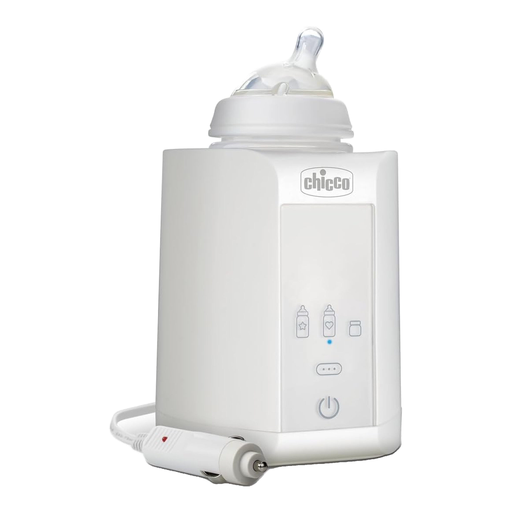
Why This Fits Their Persona: Ideal for parents who want a single device for both home and car journeys. The combination of mains power and a 12V car adapter covers the most common scenarios without the expense of a battery-powered model.
Solves the portability trap for drivers. The dedicated breast milk setting addresses the risk of overheating, and its spacious design minimises compatibility issues.
Dual-Use Functionality: Includes an adapter for the car's cigarette lighter. 5 Programmes: Includes gentle warming, defrosting, and keep-warm functions.

Why This Fits Their Persona: Perfect for parents who need maximum independence. The integrated battery and compact design make it possible to warm milk in the park, at a café, or while travelling, free from the need for power outlets or cars.
The ultimate solution to the portability trap. The included adapters for various brands directly address the incompatibility trap, offering high flexibility.
Battery-Powered: USB rechargeable for true portability. Adapter Set: Compatible with many popular bottle brands.
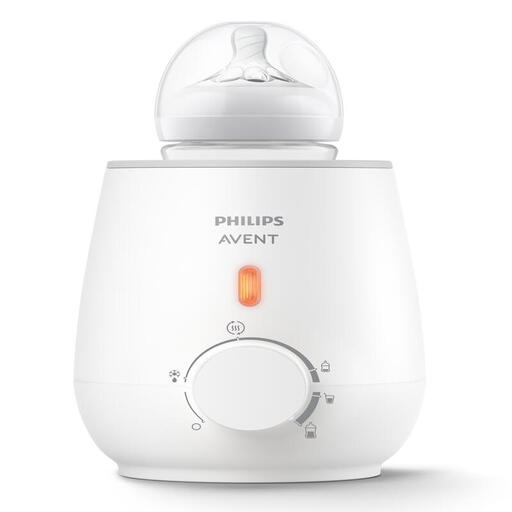
Why This Fits Their Persona: A reliable, straightforward device for home use. It focuses on the core functions of gentle warming and defrosting without complex extra features, making it a solid and cost-effective choice.
The continuous milk circulation technology actively counteracts the overheating trap. Its broad compatibility with the Philips Avent range and other brands avoids the incompatibility trap.
Even Warming: The milk circulates to prevent hot spots. Simple Operation: Intuitive control via a single dial.
We have compiled a complete, up-to-date list of products that fully meet these strict selection criteria and UK/EU safety regulations.
The time depends on the model, the amount of milk, and the starting temperature (refrigerated or room temperature). Fast steam devices often take only 2-4 minutes. Models with water bath technology for gentle warming can take 5-10 minutes. Manufacturer claims like "warm in 3 minutes" often refer to small amounts of milk at room temperature.
Not necessarily. Compatibility is a key factor. Pay attention to the device's internal diameter, especially if you use wide-neck, silicone, or angled bottles. Many manufacturers specify which brands and types their devices are compatible with. Universal models with a large diameter offer the most flexibility.
Most bottle warmers should be emptied and wiped dry after each use to prevent germ build-up. For descaling, which is necessary every few weeks depending on water hardness, a mixture of water and white vinegar or citric acid is typically used. Let the solution sit according to the user manual's instructions, and then rinse the device thoroughly. Regular descaling ensures the device's proper function and longevity.