
Lieferung heute & morgen

Qualitätsgarantie

Willkommens-Angebote freischalten: KOSTENLOSE Lieferung | Bis zu 80 % RABATT | Kostenlose 30-Tage-JoyPlus-Testphase
App herunterladen
Choosing a bottle warmer can be an unexpectedly complex task for expectant and new parents. The market is flooded with a variety of devices, all promising quick and easy solutions. In practice, however, weaknesses often emerge that complicate daily life instead of simplifying it. Many parents only realise after purchase that their device heats milk unevenly, takes too long for a feeding, or isn't compatible with their existing baby bottles.
This guide serves as your compass. We'll highlight the most common pitfalls and explain which technical features truly matter, so you can make an informed decision.
Before you decide on a model, you should be aware of the three most common flaws that only become apparent during daily use:
To avoid the problems mentioned above, you should focus on three core parameters when making your choice. These determine the safety, convenience, and longevity of your device.
The method a bottle warmer uses to heat food is crucial. The most common methods are the water bath and steam heating.
Look for models that ensure continuous water circulation or intelligent steam control to achieve a uniform temperature.
An exact temperature setting is essential. The ideal drinking temperature for baby food is around 37°C (98.6°F). A good baby bottle warmer should allow you to reach and maintain this temperature precisely. Important features in this context include:
Consider where you will primarily use the bottle warmer. For home use, a stationary device is sufficient. However, if you travel frequently or are often on the road by car, a portable model is a worthwhile investment.
Based on the criteria above, we have compiled a selection of products suitable for different needs and lifestyles.

Why This Fits Their Persona: This device is designed for efficiency. With its versatile functions like fast warming, defrosting, and a 24-hour keep-warm feature, it covers all the needs of a hectic daily life with an infant. The integrated night light is a thoughtful detail for nighttime feedings.
Its precise temperature control, which accounts for the milk's state and bottle material, minimises the risk of hot spots. The manufacturer's stated fast heating time of 2-5 minutes directly addresses the problem of long waits.
10-in-1 functionality for warming, steaming, defrosting, and more. Automatic shut-off with a timer display for safe use.
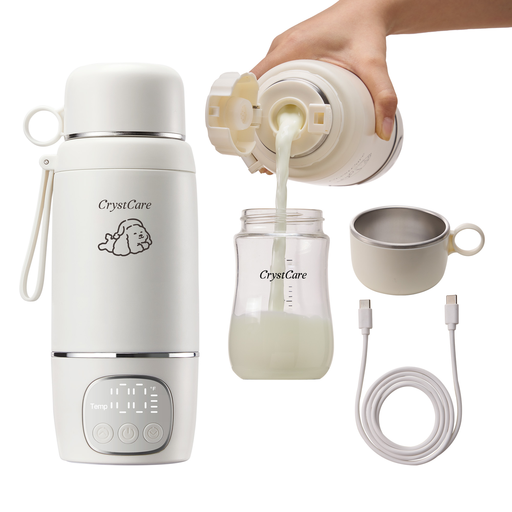
Why This Fits Their Persona: This model is specifically designed for mobile use. With a large 16000mAh battery and a cordless design, it offers the freedom to warm baby food anywhere, anytime—in the park, in the car, or while travelling.
It solves the immobility problem of conventional devices. Instead of relying on a power outlet or a car adapter, the integrated battery provides independence. The high power output of 80W also ensures fast warming without long waiting times.
Large battery (16000mAh) for long-lasting use. Cordless, portable design for maximum flexibility.
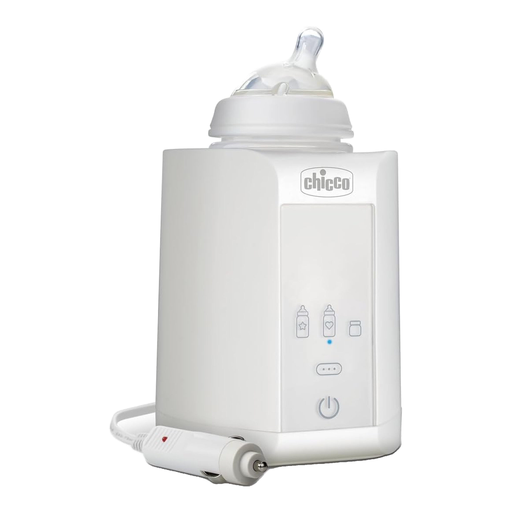
Why This Fits Their Persona: This device is a great choice for parents seeking a reliable solution for both home and travel, with a special emphasis on the quality of their baby's food. The dedicated mode for breast milk is a clear plus for nursing mothers.
The special program for breast milk warms it gradually and gently to ensure nutrient preservation and prevent overheating. The included car adapter also makes it a flexible travel companion.
Specialised program for breast milk to preserve nutrients. Includes an adapter for use in the car.
We've compiled a complete, up-to-date list of products that fully meet these strict selection criteria and safety regulations.
Not every bottle warmer is ideal for breast milk. Models that work too quickly and with excessive heat (especially basic steam devices) can destroy important nutrients and immunoglobulins. For breast milk, a device with a water bath function and precise, gentle temperature control is recommended. Look for models that explicitly offer a program for breast milk.
An automatic shut-off function is an essential safety feature. It prevents the milk or baby food from overheating if you get distracted. This not only protects the nutrients in the food but also prevents the risk of burns and reduces energy consumption.
Regular cleaning is essential for hygiene. After each use, the remaining water should be removed, and the device wiped with a cloth. Most removable parts, like baskets or lids, can be cleaned by hand or according to the manufacturer's instructions. Descaling is important to maintain heating performance and extend the device's lifespan. To do this, use a mixture of water and household vinegar or a special descaler according to the user manual. The frequency depends on the water hardness in your area, but descaling is generally recommended every two to four weeks.