
Lieferung heute & morgen

Qualitätsgarantie

Willkommens-Angebote freischalten: KOSTENLOSE Lieferung | Bis zu 80 % RABATT | Kostenlose 30-Tage-JoyPlus-Testphase
App herunterladen
A bottle opener is found in many British households, yet it is often underestimated when shopping. An eye-catching design says little about whether crown caps can be removed cleanly, a corkscrew grips securely or a lid opener can genuinely help with stubborn jars. Terms such as “multifunctional” and “professional” do not automatically describe a suitable design either.
Three common purchasing pitfalls occur particularly often:
First, consider which types of closure you regularly need to open:
An electric corkscrew also requires batteries or a rechargeable battery. This creates ongoing costs and involves more care. For occasional use, a manual corkscrew is usually simpler.
With a stainless steel bottle opener, the exact design specifications are important. Stainless steel is generally easy to care for and corrosion-resistant; however, this does not automatically guarantee long-lasting performance in every design. Stable connections between the lever, handle and opening element are essential.
Plastic handles can reduce weight and feel comfortable in the hand during longer use. With a metal handle, the shape and finish of the edges are more important. An ergonomic handle should provide enough contact area and should not slip when positioned.
For a lid opener, the adjustment mechanism should work without excessive play. With a corkscrew, look for a neatly formed spiral, a stable point of contact and a lever that can be controlled easily. A waiter’s knife is compact, but the foil cutter and lever require a little practice.
The dimensions have a direct impact on how the tool can be used. A model measuring around 10 to 15 cm in length will fit in a picnic bag or drawer. A longer kitchen tool may provide more leverage for stubborn lids, but it requires more storage space.
Cleaning should also be checked before buying:
A CE marking is not automatically a general indication of quality for a simple manual bottle opener. For electric products, the relevant safety and manufacturer information is decisive. Buyers should also check the warnings, the responsible person in the EU and the warranty information.
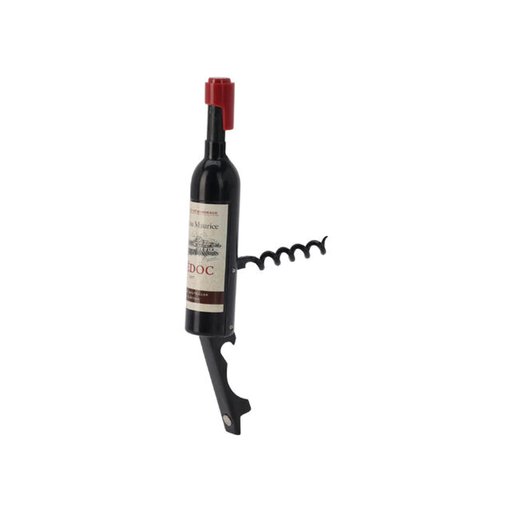
Why this product suits this profile: The compact opener is 11.5 cm high, 4 x 4 cm wide and weighs 90 g according to the product information. This makes it suitable for occasional use at home, as a small bar accessory or as a gift for wine lovers.
The straightforward design dispenses with difficult-to-access additional functions. Nevertheless, you should check before buying that the opening type matches the closure you have.
Lightweight and compact; easy to store in the kitchen, at the bar or when out and about.
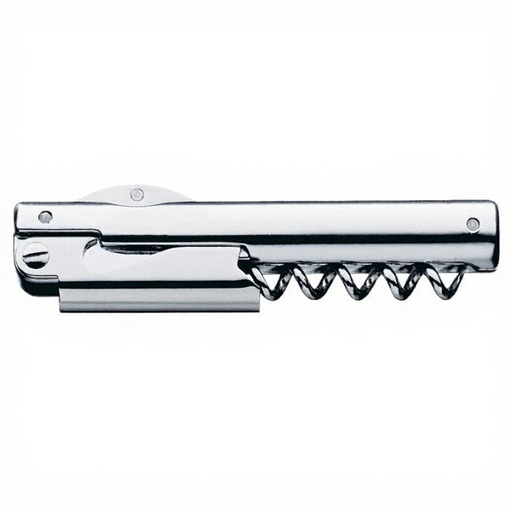
Why this product suits this profile: This 3-in-1 waiter’s knife combines a foil cutter, corkscrew and bottle opener. According to the product description, the body is made from chrome-plated die-cast metal.
The functions are clearly specified rather than promoted merely as general multifunctionality. The tool should be cleaned by hand and stored dry.
Three integrated functions; compact design measuring 20 cm in length and weighing 101 g according to the product data.
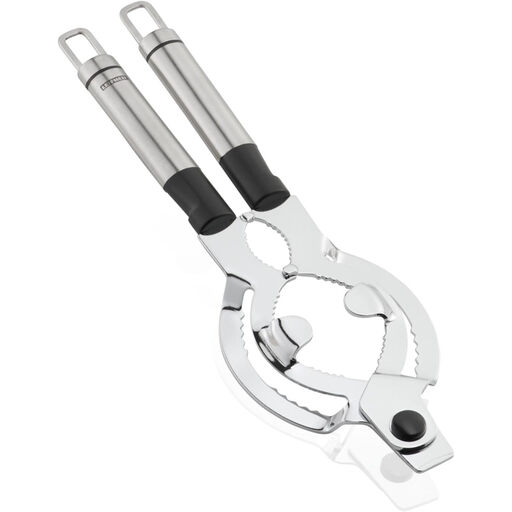
Why this product suits this profile: This 27.9 cm-long kitchen tool combines an adjustable lid opener with an integrated crown cap opener. It is designed for households where jars and bottles are opened regularly.
The adjustable mechanism is designed for different lid sizes. The manufacturer’s information highlights hand washing and possible pinch points.
Adjustable opening mechanism; integrated bottle opener and practical hanging loops.
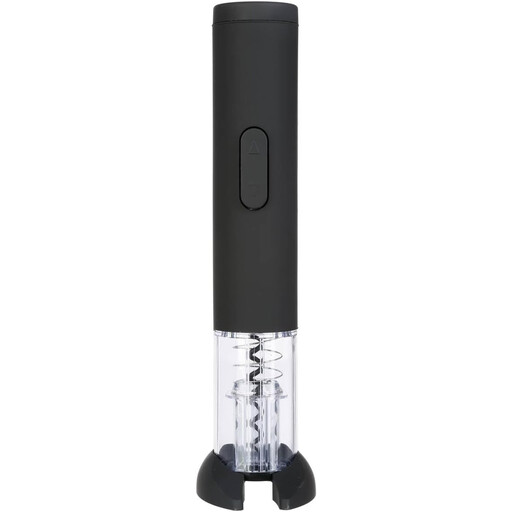
Why this product suits this profile: This electric corkscrew is 28 cm high and appeals to buyers who want to open wine bottles without using a manual lever. According to the product data, it is made from plastic and is not dishwasher-safe.
Its electric operation is clearly identified as a distinct product type. Before buying, you should consider the battery supply, cleaning with a damp cloth and the greater space required.
Electric opening mechanism; slim design measuring 9 x 6 x 28 cm according to the product description.
Position the opener straight on the closure and hold the bottle securely. With crown caps, the lever should grip beneath the edge without pressing sideways against the glass. Do not use an opener on damaged bottles, cracked glasses or deformed lids.
A corkscrew should be positioned as centrally as possible on the cork. With sparkling wine and Champagne, the cork must not be forced out uncontrollably; the bottle should be pointed away from people and fragile objects. After use, keep sharp foil cutters and moving mechanisms out of children’s reach.
For bottles with crown caps, a sturdy crown cap opener is sufficient. If you also open wine bottles or screw-top jars, you can choose a combination model. A secure point of contact, a non-slip handle and a suitable lever length are key.
Its lifespan depends on the material, joints, frequency of use and care. Stainless steel or metal parts should be dried after cleaning. With an electric corkscrew, the batteries, rechargeable battery and electronics are additional potential wear factors. Damaged openers should be replaced for safety reasons.
That depends on how you intend to use it. For regular wine evenings, electric operation can be convenient. For occasional use, a manual wine bottle opener is usually more space-efficient and does not require a power source. When deciding, you should also consider cleaning, storage and ongoing battery costs.