
Lieferung heute & morgen

Qualitätsgarantie

Willkommens-Angebote freischalten: KOSTENLOSE Lieferung | Bis zu 80 % RABATT | Kostenlose 30-Tage-JoyPlus-Testphase
App herunterladen
Whether you need shampoo for your suitcase, water for your commute, oil for the kitchen or cleaning products for the home, bottles for home and travel need to suit their contents and intended use. An appealing product description alone tells you little about how practical a bottle will be day to day. The key things to consider are the closure, material, capacity and ease of cleaning.
A container may feel sturdy and still leak if the thread, seal or closure is not suitable for its contents. With travel containers for cosmetics, even a loose cap can spill over your wash bag. For water bottles, the mouthpiece and valve are also important.
So look for:
The term ‘leak-proof’ should always be backed up by specific details, such as a screw cap, silicone seal or closable mouthpiece.
A compact spray bottle is handy for your wash bag or plant care, but may not hold enough for frequent use around the home. Conversely, a large bottle takes up unnecessary space in your hand luggage. Small refill bottles can be useful for shampoo, conditioner or lotion. For liquid soap beside a frequently used sink, a larger capacity with a visible fill level is often more practical.
Narrow openings, spray heads and drinking valves can trap residue. This matters particularly with sweet drinks, milk-based drinks and oily liquids. Before buying, check whether the parts can be removed and whether the bottle can be washed by hand or on the top rack of the dishwasher.
For plastic containers, details such as BPA-free, the material type and the permitted temperature range are useful. Glass bottles are odour-neutral and popular for kitchen use, but need to stand securely and be protected from knocks.
First, match the size you need to what you’ll use it for:
Capacity should suit not only how long you’ll be carrying the bottle, but also how much you use. A larger refill bottle means less frequent decanting, while a small set gives you more flexibility when travelling.
PET, PP, PE, PVC, silicone and glass all have different properties. Not every bottle is suitable for hot liquids, fizzy drinks, acidic products or strong cleaning products. Always follow the manufacturer’s instructions.
A sports water bottle should be explicitly approved for food contact. For an oil bottle, the dispensing opening and stability matter more than a fine mist. A soap dispenser’s pump or spray mechanism should work with the soap you use.
For liquids that need to be dispensed sparingly, you can choose a pump head, spray head or pouring spout. A fine spray bottle distributes water or suitable personal care and cleaning solutions evenly. A soap dispenser with a 450 ml capacity, on the other hand, may suit frequent use in the bathroom, kitchen or office.
Before ordering, check whether:
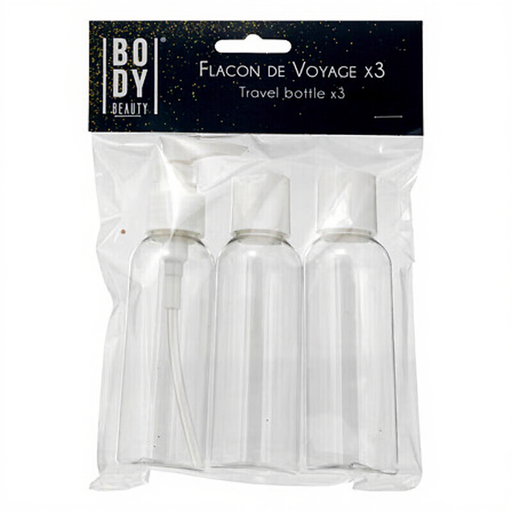
Why it suits this profile: The set of three small containers is ideal for shampoo, conditioner, lotion, cleanser or hand sanitiser. It’s handy for short trips, your gym bag or the daily commute.
The three small bottles limit the amount you need to carry. According to the product description, they have silicone seals and are designed to be refilled repeatedly. Even so, check the closures before each trip.
Three containers made from PET/PP plastic; lightweight, with sizes suited to short trips.
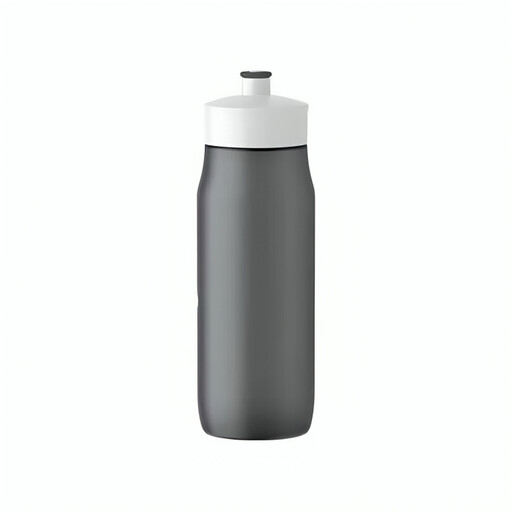
Why it suits this profile: This 0.6-litre bottle is designed for sport, cycling and commuting. According to the product details, you can use the drinking valve with one hand.
The manufacturer specifies BPA-free plastic, a screw cap and a leak-proof design. According to the product details, it is not suitable for hot liquids above 60 °C or fizzy drinks.
0.6-litre capacity; according to the product description, it is dishwasher-safe on the top rack and designed for temperatures up to 70 °C.
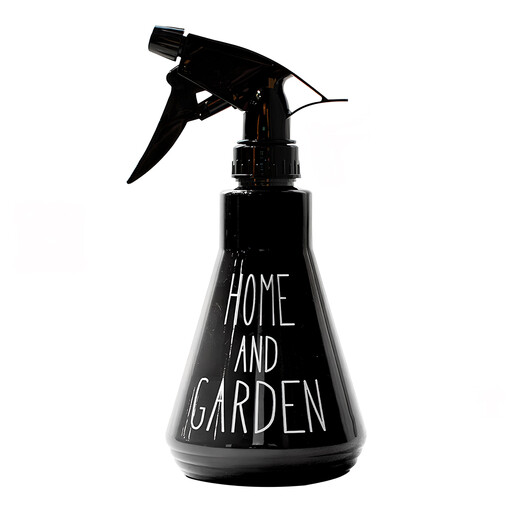
Why it suits this profile: The fine spray head is designed for hair care, make-up, watering plants and suitable household solutions. Its compact size fits easily into your personal care or cleaning bag.
The spray function is designed to distribute liquid evenly and with control. Only use liquids that the manufacturer says are suitable for the container, and clean the nozzle regularly.
Versatile spray bottle; fine, even mist and a space-saving design.
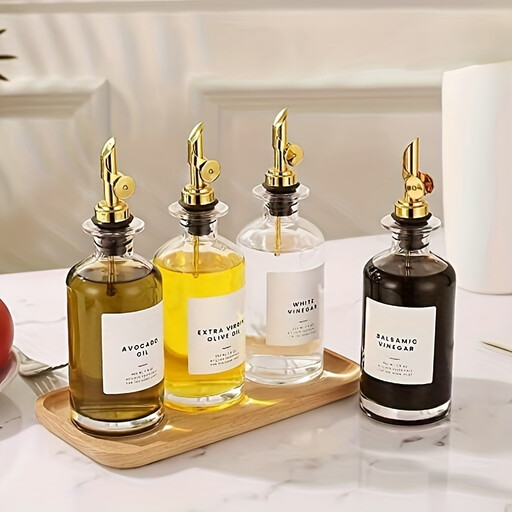
Why it suits this profile: This set of two glass bottles is for households that want to store oil or similar kitchen liquids separately and dispense them where they’re needed.
Glass absorbs fewer odours than many plastics. Before buying, check that the opening and closure suit the way you want to dispense the contents.
Set of two glass bottles; ideal for keeping kitchen liquids separate.
We’ve put together a complete, regularly updated list of products that meet these strict selection criteria and the applicable EU safety regulations.
For everyday hand hygiene, a soap dispenser with a 450 ml capacity may be a good choice. According to the product description, this 5Five model is suitable for liquid soap, hand sanitiser or disinfectant, and can be freestanding or mounted. You can check the fill level through its transparent or see-through body.
For families and garden parties, bubble solution refill bottles are worth considering. The PUSTEFIX refill bottle contains 1 litre of solution and, according to the manufacturer, is designed for PUSTEFIX containers and bubble machines. Follow the age and safety guidance on the packaging, and keep the solution out of reach of young children.
Compact travel containers with secure closures are handy for cosmetics and personal care products. Before flying, check the latest requirements from your airline and departure airport. Clear sets with several small containers make it easier to identify and pack your products.
Don’t fill containers right to the top. Clean the threads and seals, then close the lid evenly. It’s also a good idea to use a separate bag for transport. If you’ve bought new leak-proof bottles, test the closure with water before filling them with shampoo, oil or other liquids.
How long they last depends on the material, how they’re used, how they’re cleaned and how they’re stored. Replace a bottle if it develops cracks, becomes misshapen, has a persistent unpleasant smell or has damaged seals. Clean water bottles after every use and let them dry completely. With spray bottles and dispensers, you should also check the nozzle or pump regularly.