
Lieferung heute & morgen

Qualitätsgarantie

Willkommens-Angebote freischalten: KOSTENLOSE Lieferung | Bis zu 80 % RABATT | Kostenlose 30-Tage-JoyPlus-Testphase
App herunterladen
A bouncy castle in your own garden is a big dream for many children. However, before you buy an inflatable bouncy castle, it's crucial to understand the common pitfalls that can turn a promising purchase into a short-lived disappointment. Many products entice buyers with colourful pictures and seemingly attractive features, but the decisive details are often hidden in the fine print.
This guide focuses on the objective criteria that define a durable and safe bouncy castle, helping you to separate marketing promises from verifiable facts.
Investing in a large garden toy should be a well-considered decision. Pay close attention to these three points to avoid making a bad buy:
To make an informed decision, you should focus on measurable and comparable features. These three parameters are crucial for the safety and longevity of a bounce house.
The choice of material is a key determinant of your bouncy castle's lifespan.
Your children's safety is the top priority. You can identify a safe bouncy castle by the following features:
Before buying, accurately measure the available space in your garden. Be sure to plan for a safety clearance of at least 1.5 to 2 metres around the entire bouncy castle. Also, note the following weight specifications:
Not every outdoor toy is right for every family. Here are some options tailored to different needs and space constraints.
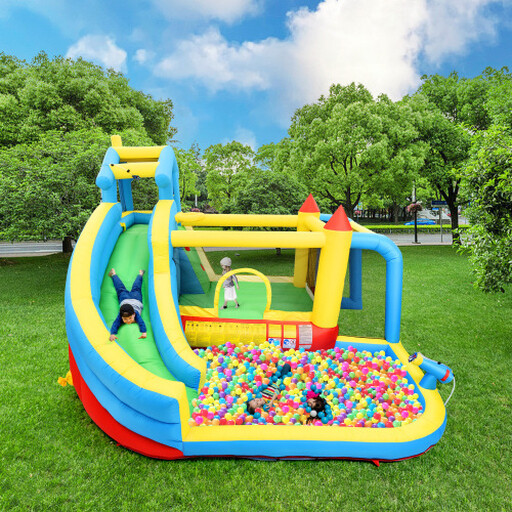
Why it's a great fit: Ideal for families looking for a versatile kids' birthday party attraction. The combination of a bouncy castle with a water slide and a bouncy castle with a pool offers varied fun for the whole summer and justifies the larger footprint.
According to the manufacturer, the product is made of tear-resistant, PVC-coated Oxford fabric, and the load limits (max. 135 kg, up to 3 children) are clearly defined. The included ground stakes and safety net address common safety shortcomings.
The 5-in-1 functionality (bouncing area, slide, climbing wall, pool, football net) offers high play value and ensures long-lasting entertainment.
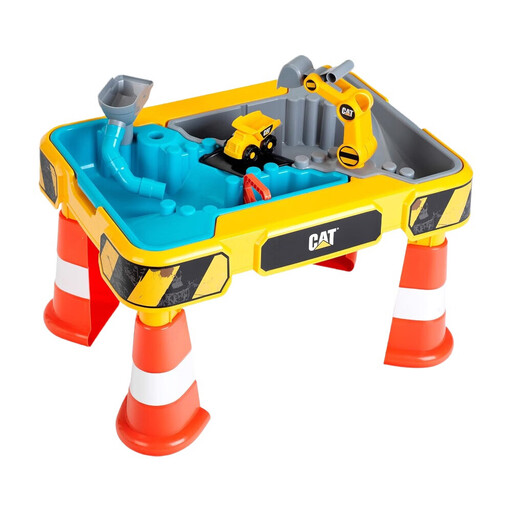
Why it's a great fit: An alternative for families with younger children (18 months and up) or limited space where a large bouncy castle would be impractical. It specifically promotes sensory development and imaginative role-play.
This product bypasses the typical problems of bouncy castles, such as material fatigue and space requirements. It is made of high-quality plastic and offers a compact, durable play station with no ongoing electricity costs.
Enhances motor skills and creativity through sand and water play. The removable basins make cleaning significantly easier.
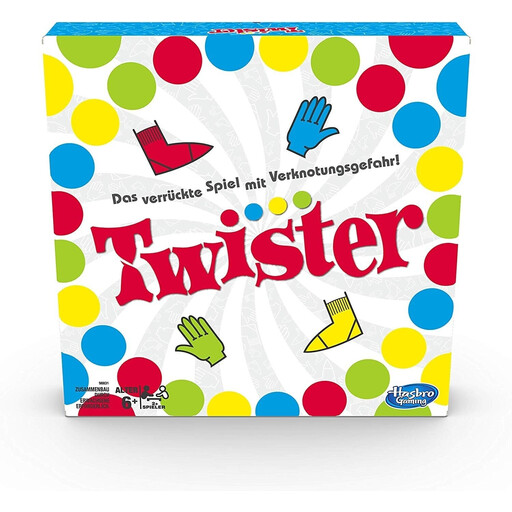
Why it's a great fit: For families seeking a straightforward, portable, and budget-friendly outdoor toy that encourages interaction and movement without requiring a large investment or setup effort.
This game avoids the complexity, maintenance, and cost of inflatable products. The pitfall of buying an expensive toy that is rarely used is avoided here through a low price and high replay value.
Extremely portable for indoor and outdoor use, suitable for a wide age range, and easily promotes physical activity.
A carefully curated selection of outdoor toys that meet objective criteria for safety and durability can sustainably enhance outdoor fun. Discover more products selected based on these principles.
The lifespan of a bouncy castle for private use heavily depends on the material quality, frequency of use, and storage. A model made of high-quality, PVC-coated Oxford fabric with reinforced seams can last for several seasons with proper care (stored clean and dry). Cheaper models often show initial signs of wear after just one season.
For private use, a special T?V certification, as required for public playground equipment, is not mandatory. Nevertheless, you should ensure that the product complies with the European standard for toy safety, EN 71, and bears a CE mark. This confirms that basic safety requirements are met.
The power consumption depends on the blower's rating, which is specified in watts (W). A typical blower for a medium-sized bouncy castle has a power rating between 400 and 750 watts. A 600-watt blower consumes 0.6 kilowatt-hours (kWh) in one hour. At an electricity price of, for example, 30 cents per kWh, three hours of bouncing fun would cost about 54 cents in electricity.