
Lieferung heute & morgen

Qualitätsgarantie

Willkommens-Angebote freischalten: KOSTENLOSE Lieferung | Bis zu 80 % RABATT | Kostenlose 30-Tage-JoyPlus-Testphase
App herunterladen
A bouncy castle in your own garden is a dream come true for many children. But the purchase can quickly lead to disappointment if the product doesn't live up to its promises. As a Joybuy Product Recommendation Officer, I analyse product information daily to help you make informed decisions. In this guide, I'll show you the critical features to look for in a bouncy castle with a slide and how to avoid common purchasing traps.
Before you buy a bouncy castle for kids, it's important to be aware of the most common issues that often only become apparent after the purchase.
To avoid a bad purchase, you should focus on objective and verifiable criteria. These three points are crucial for the longevity and safety of a bouncy castle for the garden.
The lifespan of an inflatable bouncy castle depends directly on the material used and the quality of its seams. Look for the following specifications:
A safe play environment is essential. Check if the product complies with the European standard for toy safety, EN 71. Additionally, the following structural features are important:
The blower is the heart of any inflatable bouncy castle. It must run continuously throughout operation to maintain air pressure.
Instead of presenting a cluttered list, we have selected products that fit specific use cases and avoid the pitfalls mentioned above.
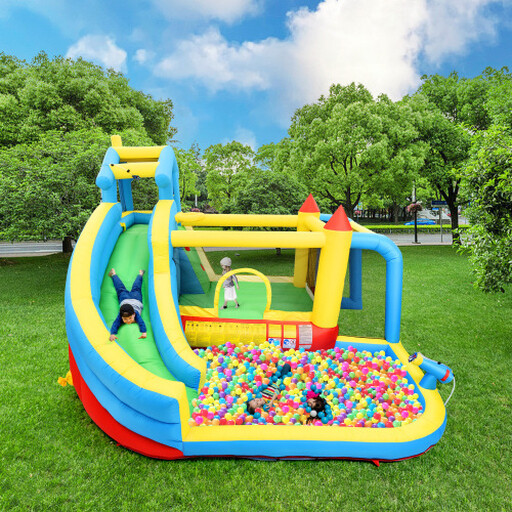
Why This Fits Their Persona: This model is more than just a bouncy castle. It's a true outdoor play centre for kids, combining a bounce house, slide, climbing wall, water pool, and a football goal. It's ideal for families looking for a versatile and long-lasting activity for children aged 3-10.
The product is made from tear-resistant Oxford fabric, and the package explicitly includes the appropriate blower (550-750W) and ground stakes. The surrounding safety net directly addresses safety requirements.
The 5-in-1 bouncy castle functionality offers variety and can be used both dry and as a bouncy castle with a water slide and pool. Setup is straightforward and completed in just a few minutes.
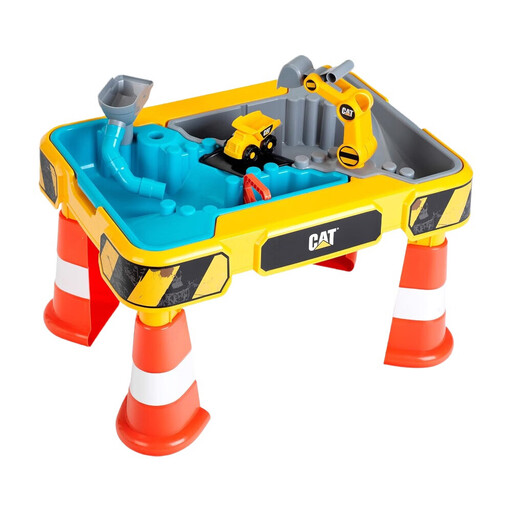
Why This Fits Their Persona: While older siblings are bouncing away (recommended for ages 3+), toddlers need their own safe play zone. This play table is suitable for children from 18 months and offers an age-appropriate activity with sand and water.
This product avoids the "one-size-fits-all" trap, which can be unsafe for toddlers. It is made from high-quality, German-made plastic and is specifically designed for the motor skills and safety of young children.
Promotes sensory development, motor skills, and creativity. The removable basins make cleaning significantly easier. A smart addition for families with children of different ages.
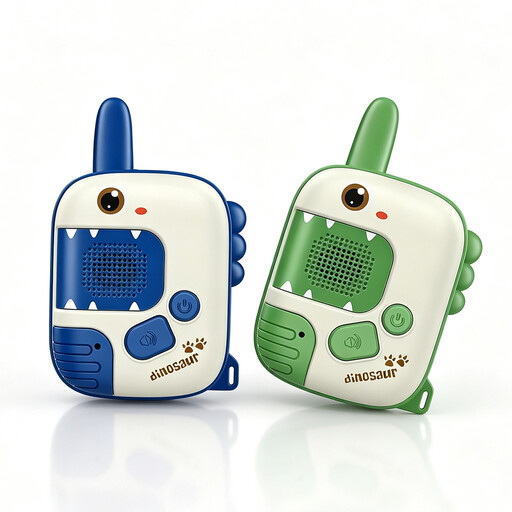
Why This Fits Their Persona: A bouncy castle is the centrepiece of any garden party. Walkie-talkies are the perfect accessory to take the fun to the next level. Kids can form teams, coordinate games of hide-and-seek in the garden, or plan secret missions around the "castle".
This toy avoids the trap of passive entertainment. Instead of just consuming, it encourages active communication, teamwork, and imagination. The drop-resistant material and simple operation are designed specifically for children.
The long range of up to 300 metres outdoors allows for versatile games throughout the entire garden. The simple push-to-talk function is easy for even younger children to understand.
We have compiled a complete, up-to-date list of products that fully meet these strict selection criteria and German safety regulations.
1. How long does it take to set up and take down a bouncy castle with a blower? Setup is generally straightforward. Plan for about 10 to 15 minutes: unrolling the bouncy castle, connecting the blower, and the inflation itself only take a few minutes. Afterwards, the castle must be secured with the ground stakes. Takedown takes a similar amount of time, though you should ensure the bouncy castle is completely dry (especially after water use) before storing it to prevent mould and mildew.
2. What is the best material for a durable inflatable bouncy castle? For high longevity, multi-layered, laminated PVC (similar to the material used for inflatable boats) or high-density Oxford fabric (with ratings like 420D or 840D) are excellent choices. The construction is also crucial: look for multi-stitched seams in all stress zones, as this is where the most tension occurs.
3. Does the blower need constant power, and what are the costs? Yes, the blower must run continuously for the entire duration of use to maintain the necessary air pressure for bouncing. This is normal by design. A typical blower for a residential bouncy castle has a power rating between 550 and 750 watts. The electricity costs are manageable, amounting to just a few pence per hour of operation depending on your electricity tariff, comparable to other household appliances.