
Lieferung heute & morgen

Qualitätsgarantie

Willkommens-Angebote freischalten: KOSTENLOSE Lieferung | Bis zu 80 % RABATT | Kostenlose 30-Tage-JoyPlus-Testphase
App herunterladen
The desire for toned arms and increased strength is a common fitness goal. However, the market for arm trainers is saturated and filled with products that promise quick results but often prove to be unsuitable or short-lived. A rash purchase not only leads to frustration but is also a waste of money.
Before you make a purchasing decision, it's crucial to understand the common pitfalls. Many users invest in devices that become unusable after a short time due to design flaws or inferior quality. We'll show you what to look for to make an informed decision.
Choosing the wrong device can sabotage your training before it has even truly begun. Pay special attention to these three widespread problems:
To avoid these pitfalls, you should base your choice on objective criteria. The following three parameters are crucial for the effectiveness, safety, and longevity of your training device.
A core principle of strength training is progressive overload. This means the resistance must be gradually increased to stimulate new muscle growth. An arm trainer with adjustable resistance is therefore a far more sustainable investment. It allows you to start with a low weight to master the technique cleanly and then adapt the intensity over time to match your increasing strength. This is a decisive advantage for both beginners and advanced users.
The quality of the materials used has a direct impact on the safety and lifespan of a training device. Look for the following features:
Think carefully about your goals. Do you want to specifically improve your grip strength for sports like climbing or tennis? Then a specialized hand trainer or forearm trainer is the right choice. If, however, you are looking for a device for a more comprehensive workout that also includes the shoulders, chest, and back, a more versatile upper body trainer is better suited. Some devices combine multiple functions and allow for a varied workout for the entire upper body.
Based on the criteria above, we have compiled a selection of devices suitable for different user profiles and training goals.
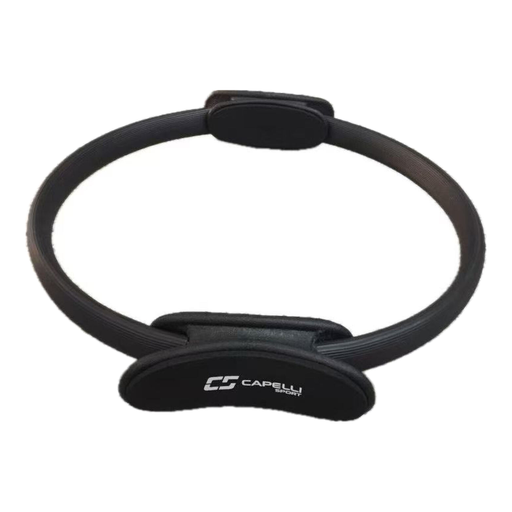
Why This Fits Their Persona: Ideal for fitness beginners looking for a versatile and straightforward device. It not only trains the arms but also improves core muscles and coordination through a variety of exercises. Perfect for home workouts.
Counteracts the trap of one-sided training by enabling exercises for the arms, legs, and core. The construction of high-quality PP and PE material is robust and durable, unlike cheap alternatives.
Lightweight, portable, and can be used for a variety of exercises (Pilates, yoga, strength training). It offers moderate, controlled resistance that is ideal for getting started.
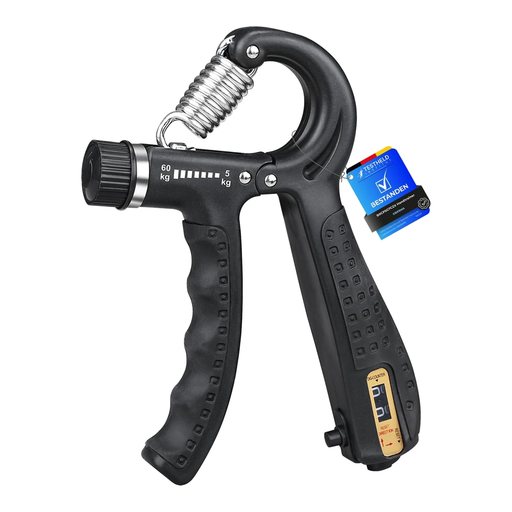
Why This Fits Their Persona: Perfect for athletes like climbers, tennis players, or musicians who want to specifically strengthen their grip and forearm muscles. Also suitable for individuals in rehabilitation, following consultation with a doctor.
Solves the problem of fixed resistance with its seamless adjustability from 5 kg to 60 kg. This allows for precise adaptation to individual strength levels and continuous training progress.
The integrated mechanical counter automatically tracks repetitions, making it easy to objectively monitor your training. The device is compact, portable, and easy to use.
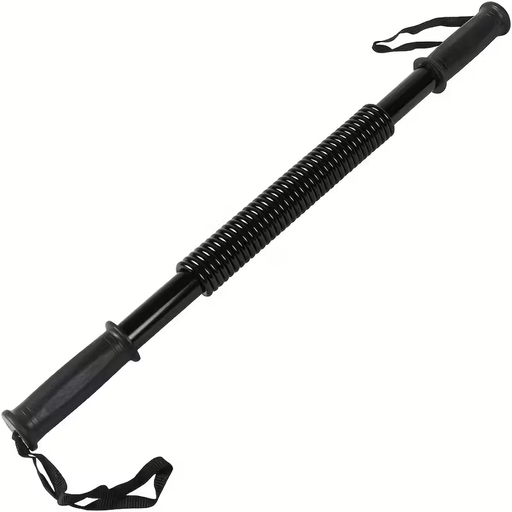
Why This Fits Their Persona: Suitable for experienced strength athletes seeking high, constant resistance for targeted muscle building in the arms, chest, and shoulders. This device intensely challenges the muscles and is a great supplement to dumbbell training.
This device bypasses the pitfall of resistance being too low for advanced users. The fixed resistance of approx. 30 kg (66 lbs) provides a constant challenge. The robust steel construction prevents material fatigue and breakage.
Enables a variety of push, pull, and rotational movements for a comprehensive upper body workout. Its compact design makes it a space-saving alternative to large fitness machines.
We've compiled a complete, up-to-date list of products that fully meet these strict selection criteria and safety standards.
Consistency is key to achieving visible and tangible results. A frequency of two to four training sessions per week is a good benchmark for most users. It's important to give your muscles at least 48 hours to recover between sessions. Listen to your body and adjust the frequency and intensity based on your personal feel and progress.
Hand trainers are often used to strengthen muscles after injuries. However, it is essential to consult with a doctor or physical therapist beforehand. They can assess whether such training is appropriate for your specific situation and create a safe and effective training plan for you. Using it independently without professional guidance is not recommended.
The term arm trainer is often used for specialized devices like a hand trainer or forearm trainer, which target smaller muscle groups. An upper body trainer is typically more versatile and designed to train larger muscle groups such as the chest, back, and shoulders in addition to the arms. The choice depends on whether you are aiming for an isolated workout for a specific muscle group or a more comprehensive workout for the entire upper body.