
Lieferung heute & morgen

Qualitätsgarantie

Willkommens-Angebote freischalten: KOSTENLOSE Lieferung | Bis zu 80 % RABATT | Kostenlose 30-Tage-JoyPlus-Testphase
App herunterladen
A bowl set can make everyday cooking easier – provided the size, material and intended use are right for you. Many products look similar at first glance, but can differ significantly in capacity, heat resistance and lids. If you choose based only on colour or the number of pieces, you could end up with bowls that take up too much cupboard space or aren’t suitable for the microwave.
A set with lots of pieces isn’t automatically suitable for every use. Small bowls holding around 350 to 750 ml are ideal for cereal, side dishes or desserts. Pasta, soup and large salads usually call for much bigger pasta bowls or salad bowls.
Also, not every product described as a “Bowl Set” is kitchenware. For example, the Lamy Colour Bowl Z 70 Black 099 includes ten small plastic bowls for mixing watercolours. It’s intended for creative projects, not food.
When choosing microwave-safe bowls, check whether the claim applies to the bowl, the lid or both. A sealed lid can build up pressure when heated. That’s why several food storage sets specifically advise you to remove the lid before heating.
Temperature limits matter too. According to the product information, the Mepal Cirqula set is suitable for temperatures up to 110 °C and can be used in the microwave without its lid. Bear this in mind before you buy and whenever you use it.
Reactive glazes, irregular rims and decorative finishes give ceramic bowls a distinctive look. However, these features may make them more vulnerable to knocks or mean they need gentler cleaning. For dishwasher-safe bowls, check whether the claim applies to every component and whether the manufacturer recommends a particular position in the dishwasher.
For everyday use, a combination of different sizes is a good choice:
Round bowls are great for serving and stacking. Rectangular food storage container sets often make more efficient use of fridge space. Check the diameter, height and lid shape too – capacity alone doesn’t tell you how practical a bowl will be.
Ceramic bowls and stoneware feel sturdy and are often suitable for the table and microwave. However, they’re heavier and can crack if exposed to sudden temperature changes. Avoid placing a hot bowl straight onto a very cold surface.
Plastic bowls made from PP or similar materials are usually lighter and practical for picnics, transport and food storage. Information such as BPA-free, dishwasher-safe or microwave-safe should be clearly stated in the product description. Keep in mind that plastic bowls, lids and seals may have different temperature limits.
Bowls with lids are especially useful for transporting and storing food. Look for:
“Airtight” and “leakproof” should be stated as product features. Even so, it’s a good idea to test containers with water first and keep them upright when transporting them. Don’t continue using damaged lids or seals.
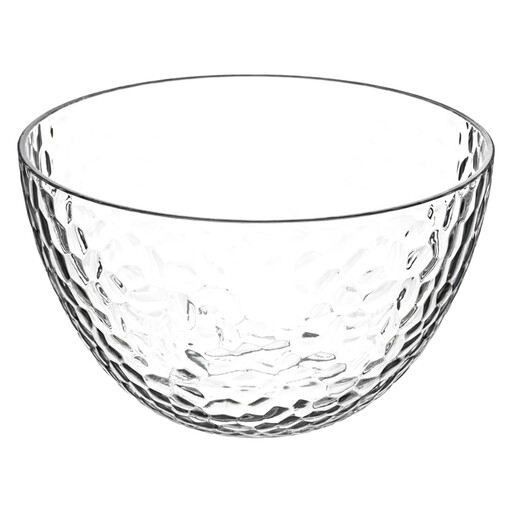
Why this product is a good match: This compact 14 cm bowl is ideal for individual salads, fruit, snacks or desserts. Its transparent design is easy to pair with your other tableware.
The stated size makes it easy to see what the bowl is suitable for. Check the material variant before buying, as care instructions may differ.
14 cm diameter, lightweight and suitable for individual portions and small side dishes.
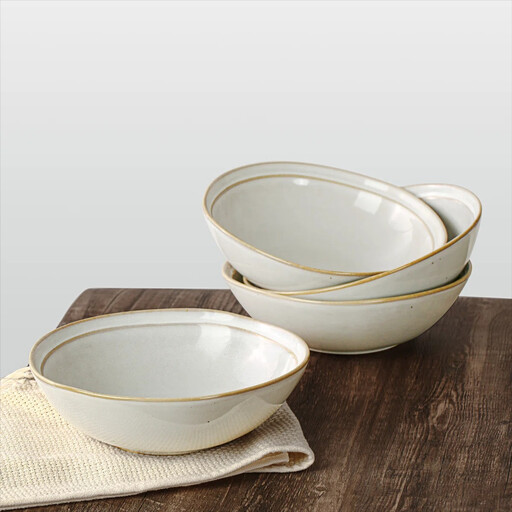
Why this product is a good match: Each of the four stoneware bowls holds around 1.2 l, making the set suitable for pasta, soup, salad and larger portions.
The stated 1.2 l capacity and microwave and dishwasher compatibility make it easier to compare with other options. Even so, avoid exposing stoneware to sudden temperature changes.
Four-piece set with a reactive glaze; stackable and, according to the product information, suitable for the microwave and dishwasher.
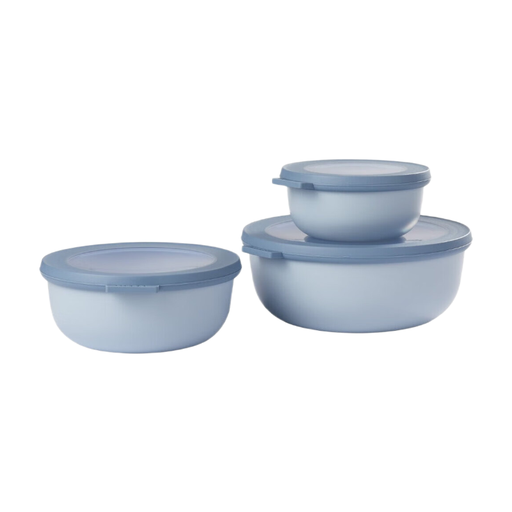
Why this product is a good match: The set includes 350 ml, 750 ml and 1,250 ml bowls. They’re designed for use in the fridge and freezer, for storage and for reheating without the lids.
The different sizes mean you don’t need a separate set for every portion. Remove the lid before using a bowl in the microwave.
Airtight, leakproof lids; stackable bowls that nest inside one another; BPA-free PP/TPE; and dishwasher-safe.
We’ve put together a comprehensive, regularly updated list of products that meet these strict selection criteria and fully comply with the safety regulations in force in the EU.
Larger serving bowls and stackable pasta bowls are a good choice for families and house shares. If you live alone, a mixed cereal bowl set with small and medium sizes may be a better fit. If you prepare meals in advance, look for a food storage container set with tightly fitting lids.
For picnics and camping, lightweight, shatter-resistant materials and space-saving storage are key. A set such as the Lock & Lock Picnic Crockery Set includes five plastic bowls with lids and a carry container. The same microwave advice applies: remove the lids before heating and don’t use any damaged parts.
Around 350 to 750 ml is typical for cereal, yoghurt or fruit. If you like larger portions or add extra ingredients, choose a bowl with a capacity of around 750 ml or more. The interior dimensions and the amount you want to serve are what matter, not just the outside measurements.
No. A leakproof design depends on having a properly fitting lid, an intact seal and securely fastened clips. The product information should state whether the container is leakproof. It’s a good idea to test it with water before transporting it.
How long it lasts depends on the material, how it’s cleaned and how heavily it’s used. Ceramic and stoneware can break if knocked or exposed to sudden temperature changes. Plastic can become less effective if scratched, exposed to high heat or fitted with damaged seals. Gentle cleaning, following the temperature guidance and replacing damaged parts can help extend the life of your set.