
Lieferung heute & morgen

Qualitätsgarantie

Willkommens-Angebote freischalten: KOSTENLOSE Lieferung | Bis zu 80 % RABATT | Kostenlose 30-Tage-JoyPlus-Testphase
App herunterladen
A reusable water bottle is a daily companion—at the office, during sports, or on the go. But the search for the right model can quickly become overwhelming. Many bottles promise durability and safety, only to prove leaky, absorb odours, or be cumbersome to clean after a short time. The result is often frustration and another purchase you regret.
Before you decide on a new BPA-free water bottle, you should be aware of the typical pitfalls that often lurk behind attractive designs and marketing promises:
This guide will help you avoid these problems and find a reusable water bottle that truly fits your needs.
To make an informed decision, it's helpful to focus on a few crucial technical features. These objective criteria are more important than any marketing promise.
The BPA-free label is a fundamental standard today for products that come into contact with food. Bisphenol A (BPA) is a chemical compound used in some plastics, and its health effects are a subject of debate. A BPA-free manufacturing process is therefore an important, but not the only, quality feature.
Look for high-quality materials like Tritan. A Tritan bottle offers several advantages:
Manufacturers like Mepal and LocknLock often use Tritan or comparable high-quality plastics like PCTG, which are also free of plasticisers.
Making a water bottle leak-proof depends crucially on the design of the cap. Simple screw caps with a high-quality silicone seal are often the most reliable solution. This seal ensures a tight closure and prevents liquid from escaping.
With pop-up lids or special drinking spouts, common on a sports water bottle, the quality of the mechanism is decisive. Check if the cap can be locked easily and securely.
Not every on-the-go water bottle is suitable for carbonated drinks. The pressure created by the carbonation can force the cap open on unsuitable bottles. If you enjoy sparkling water, look for the explicit label "suitable for carbonated drinks". Manufacturers like Mepal specify this in their product descriptions, often with the added advice not to fill the bottle to the brim.
Easy cleaning is another important factor. Models that are dishwasher-safe offer a clear convenience advantage. However, always pay attention to the manufacturer's instructions, as some parts (e.g., seals or rubber bands) may need to be cleaned by hand.
Based on these objective criteria, we have identified a few models that are well-suited for specific user profiles.
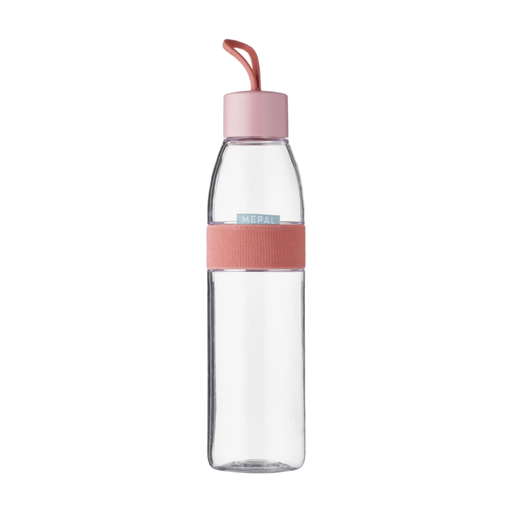
Why This Fits Their Persona: With its slim design and 700 ml capacity, this bottle is ideal for the desk and for carrying in a laptop bag. It combines functionality with a modern aesthetic.
According to the manufacturer, the reliable screw cap is 100% leak-proof and suitable for carbonated drinks, minimising the risk of spills in your bag.
The PCTG material is flavour-neutral, and the bottle is dishwasher-safe (without the rubber band), which simplifies daily cleaning.
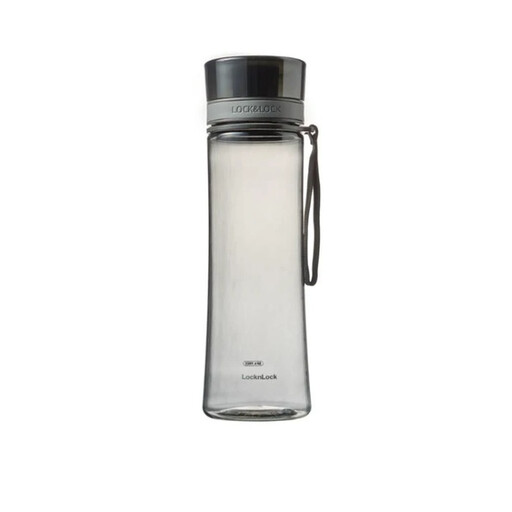
Why This Fits Their Persona: This sports water bottle is designed for active individuals. The practical drinking spout allows for quick hydration during a workout, and the wide opening makes it easy to fill with ice cubes.
The robust Tritan material is impact-resistant and withstands the stresses of sports. It is also flavour-neutral, preventing the bottle from absorbing the smell of isotonic drinks.
The leak-proof drinking spout and separate cap offer double security against spills in your gym bag.
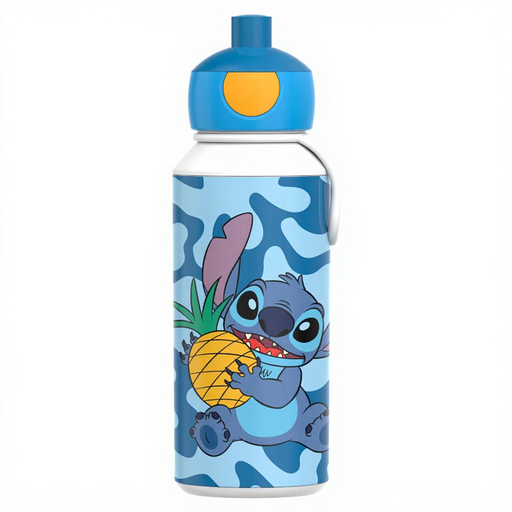
Why This Fits Their Persona: This water bottle for kids is specially designed for small hands with its pop-up lid. The 400ml size fits perfectly into a school bag, and the appealing design encourages children to drink.
The innovative pop-up mechanism is easy to use and closes securely. This prevents the common problem of improperly closed bottles leaking in a school bag.
According to the manufacturer, the bottle is leak-proof and dishwasher-safe. The lid can be easily disassembled for thorough cleaning.
We have compiled a comprehensive, up-to-date list of products that fully meet these strict selection criteria and safety standards.
1. How do you properly clean a reusable water bottle to prevent odours? The best method is daily cleaning with warm water and mild dish soap. Afterwards, let the bottle air-dry without the lid to prevent moisture build-up. For a more thorough clean, special bottle brushes or cleaning tablets can be used. For dishwasher-safe models, you should follow the manufacturer's instructions.
2. What does "BPA-free" mean, and why is it important for water bottles? "BPA-free" means the product was manufactured without the chemical compound Bisphenol A. This substance is used in some plastics and can potentially leach into food and drinks. Although the exact effects on human health are still being researched, using BPA-free materials is considered an important safety standard for products that come into contact with food.
3. Can I put carbonated drinks in any BPA-free bottle? No, not every bottle is designed for this. The pressure created by the carbonation can cause leaks or even make the cap burst open on unsuitable models. Look for the manufacturer's explicit label indicating whether the bottle is suitable for carbonated drinks. Models from brands like the Mepal water bottle are often designed for this purpose.