
Lieferung heute & morgen

Qualitätsgarantie

Willkommens-Angebote freischalten: KOSTENLOSE Lieferung | Bis zu 80 % RABATT | Kostenlose 30-Tage-JoyPlus-Testphase
App herunterladen
A reusable water bottle is a practical companion for everyday life, sports, or the office. However, the search for the right model can quickly become overwhelming. Many products promise to be leak-proof and durable but fail to live up to these claims in daily use. This guide will help you identify the crucial features and make an informed choice that truly meets your needs.
Author: Joybuy Product Recommendation Officer
Date: August 29, 2026
Before deciding on a model, it's helpful to know the most common problems that occur with low-quality bottles.
To avoid these pitfalls, you should pay attention to a few objective criteria. These will help you evaluate the quality and functionality of a bottle, regardless of marketing promises.
The term BPA-free water bottle is a fundamental standard today, meaning the plastic was produced without the chemical bisphenol A. However, there are significant differences among the BPA-free materials used.
The lid is the most critical component for preventing leaks. Look for a solid screw-on cap with a well-fitting silicone seal or a pop-up lid explicitly designed for secure transport.
For use in the gym or as a sports water bottle, models with one-handed operation or an integrated straw are practical. For transport in a backpack, a screw-on cap is often the safer choice.
Not every bottle is suitable for every purpose. Clarify the following points before you buy:
Here are some models that are well-suited for specific use cases based on their objective features.
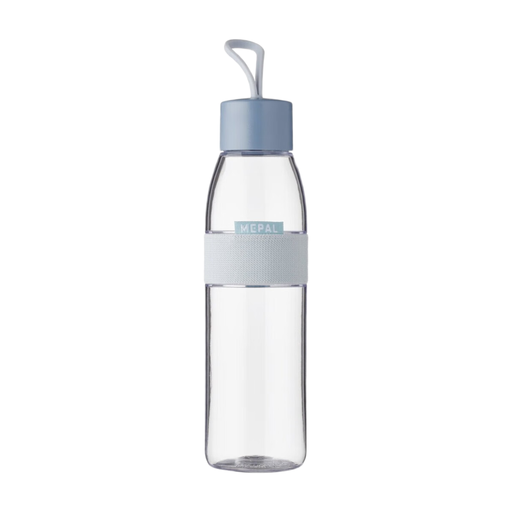
Why This Fits Their Persona: At 500 ml, this bottle is the ideal size for commuting to work, university, or for daily errands. The slim design fits into most bags and cup holders.
The simple yet robust screw-on lid with a clearly defined seal is less prone to defects than complex mechanisms and, according to the manufacturer, ensures 100% leak-proof performance.
According to the manufacturer, it is suitable for carbonated drinks and is dishwasher-safe (without the rubber band), making it very versatile and easy to clean.
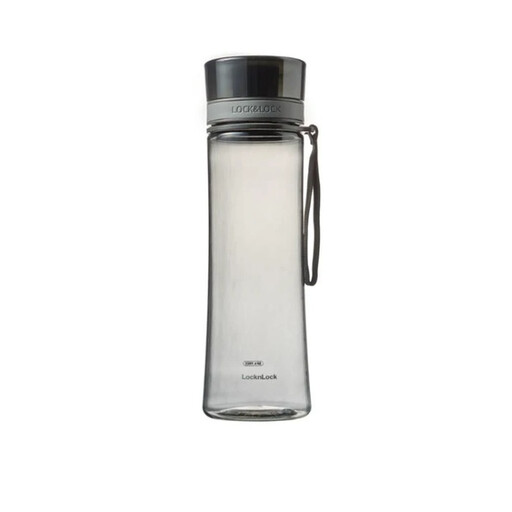
Why This Fits Their Persona: With a 680 ml capacity, this bottle provides enough volume for a full workout. The leak-proof drinking spout allows for quick, one-handed hydration without having to unscrew the entire lid.
The lid features a separate, leak-proof cap for the drinking spout, which minimises the risk of spills during movement—a common problem with basic sports bottles.
The wide opening makes it easy to fill with ice cubes or fruit slices and simplifies cleaning. The robust Tritan material is impact-resistant and durable.
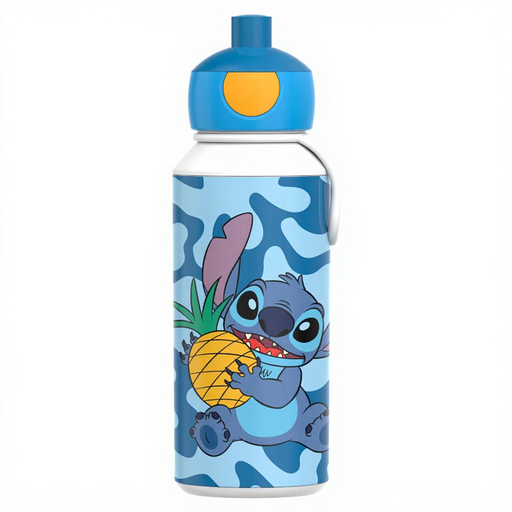
Why This Fits Their Persona: Specially designed for children's hands. The pop-up mechanism opens with the press of a button and closes securely by pushing the mouthpiece down. The 400 ml size is ideal for a school bag.
The intuitive mechanism is easy for children to operate, reducing the risk of the bottle not being closed properly. The sturdy ABS material is shatter-proof and can withstand an occasional drop.
According to the manufacturer, the bottle is dishwasher-safe and the lid can be easily disassembled for thorough cleaning, ensuring proper hygiene.
We've compiled a complete, up-to-date list of products that fully meet these strict selection criteria and all relevant safety standards.
The most thorough cleaning method is to rinse the bottle and lid (if disassemblable) with warm water and mild washing-up liquid after each use. Allow the bottle and all parts to air dry completely before reassembling. For dishwasher-safe models, you can clean them in the top rack of the machine, but always follow the manufacturer's instructions.
BPA (Bisphenol A) is an industrial chemical that was used in the production of certain plastics. There are concerns that BPA can leach from containers into food and beverages. "BPA-free" means that the plastic was manufactured without this specific chemical. This is now an important safety standard for products that come into contact with food.
Most Tritan bottles are designed for cold or lukewarm drinks. The exact temperature resistance varies by manufacturer. For example, LocknLock specifies a temperature range of -20°C to 60°C for many of its Tritan bottles. Pouring boiling hot liquids is generally not recommended, as this can cause deformation or increase the pressure inside the bottle. Always check the specific warnings from the manufacturer.