
Lieferung heute & morgen

Qualitätsgarantie

Willkommens-Angebote freischalten: KOSTENLOSE Lieferung | Bis zu 80 % RABATT | Kostenlose 30-Tage-JoyPlus-Testphase
App herunterladen
A reusable water bottle is an everyday companion—at the office, during sports, or while travelling. But the search for the right model can quickly become overwhelming. Many products promise to be leak-proof and safe for your health, yet often show flaws in practice. Before you make a decision, it's important to know the common pitfalls that can lead to a bad purchase.
The 2 Most Common Flaws in Water Bottles:
To make an informed decision, you should check three core parameters. These are crucial in determining the safety, durability, and practicality of your new water bottle.
The BPA-free label is a basic standard today, meaning the plastic was made without the plasticiser Bisphenol A. However, for a durable and safe reusable bottle, the type of plastic is what's crucial.
A reliable seal is essential, especially when the bottle is carried for on-the-go use in backpacks or bags.
Not every bottle is suitable for every purpose. Two common requirements are compatibility with carbonated drinks and ease of cleaning.
Here are some recommendations tailored to different user profiles that meet the quality criteria mentioned.
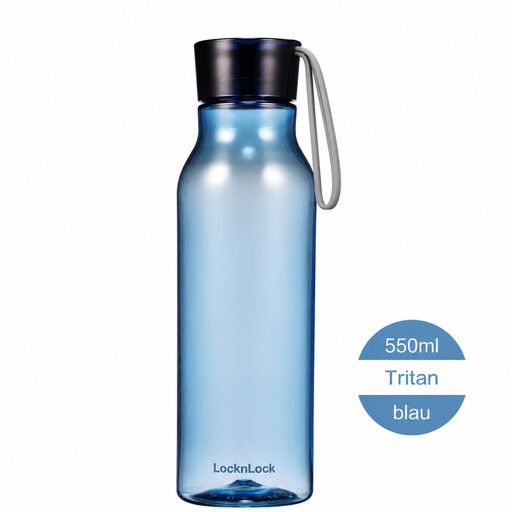
Why This Fits Their Persona: Ideal for commuters and office life. The compact 550ml size fits into any bag, while the simple screw cap and wrist strap make everyday handling easy.
The simple yet effective screw cap with a properly seated silicone gasket minimises the risk of leaks in a bag. The Tritan material prevents odour build-up and material fatigue.
Robust and taste-neutral Tritan material. Reliable, simple sealing mechanism. Includes a practical bottle with a handle (wrist strap).
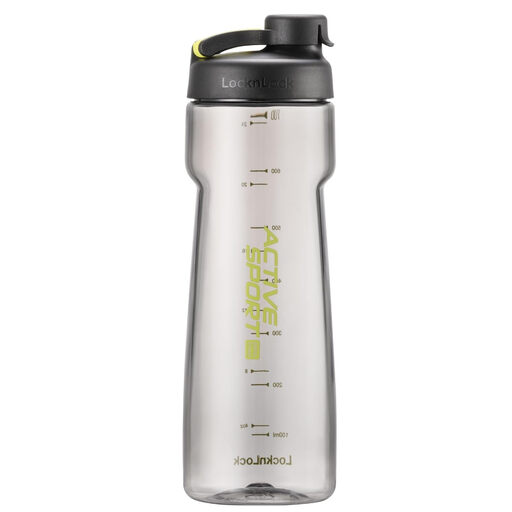
Why This Fits Their Persona: This water bottle for sports is designed for active use. At 730ml, it offers enough volume for longer workout sessions, and the flip-top lid allows for quick, one-handed drinking.
The lid features a safety lock that prevents accidental opening in a gym bag—a common problem with basic flip-top caps.
One-handed operation with a flip-top lid and lock. Ergonomic design for a good grip. Robust, stain-resistant Tritan material.
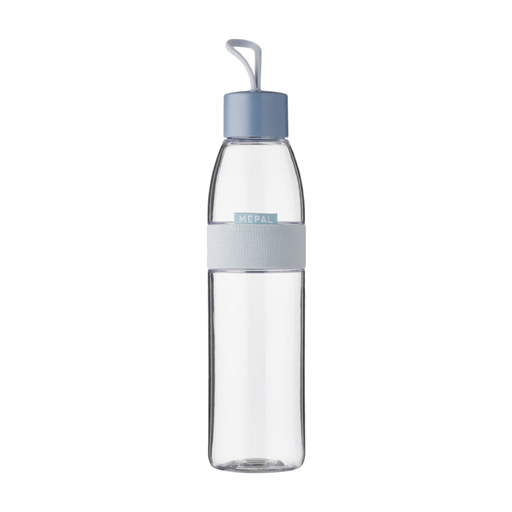
Why This Fits Their Persona: For anyone who doesn't want to give up their sparkling water on the go. This bottle is explicitly designed for use with carbonated beverages.
It bypasses the hidden flaw of many bottles that cannot withstand the pressure created by carbonation. The design is engineered to stay sealed without bursting.
Explicitly suitable for carbonated drinks. The lid is attached to the bottle with a loop and cannot be lost. It is also dishwasher-safe.
We have compiled a complete, up-to-date list of products that fully meet these strict selection criteria and safety regulations.
For daily hygiene, rinsing the bottle with warm water after use is sufficient. At least once a week, you should clean it more thoroughly with a bottle brush and mild dish soap. To neutralise odours, you can fill the bottle with a mixture of water and a spoonful of baking soda and let it sit for a few hours. Always let the bottle and lid air dry separately to prevent mould growth.
Tritan is a brand name for a copolyester known for its special properties. Unlike many conventional plastics, Tritan is not only BPA-free but also extremely impact- and shatter-resistant. It is as clear as glass but significantly lighter. A key advantage is that it does not absorb odours or tastes and does not discolour, making it a high-quality material for a Tritan water bottle.
Generally, no. Most plastic bottles, including those made from Tritan, are designed for cold or lukewarm beverages. The temperature resistance is often a maximum of 60°C (140°F). Pouring boiling liquids into them can deform the material, lead to a dangerous pressure build-up, or compromise its leak-proof seal. Always check the manufacturer's specifications for the maximum allowable temperature before filling with hot drinks.