
Lieferung heute & morgen

Qualitätsgarantie

Willkommens-Angebote freischalten: KOSTENLOSE Lieferung | Bis zu 80 % RABATT | Kostenlose 30-Tage-JoyPlus-Testphase
App herunterladen
A reusable water bottle is an indispensable part of your daily routine. Yet, the search for the right model can quickly become overwhelming. Many products promise durability and functionality, but reveal critical flaws after only a short time. As a Joybuy Product Recommendation Officer, I'm here to help you cut through the noise and make an informed decision. In this guide, we'll focus on the critical points that are often overlooked and lead to buyer's remorse.
The market is flooded with bottles that look great at first glance. In daily use, however, their weaknesses often emerge. Watch out for these three typical problems to avoid disappointment:
To avoid these pitfalls, you should check three core aspects before buying. These define the quality and longevity of a reusable water bottle.
Bisphenol A (BPA) is a chemical compound once found in many plastics and is considered a health concern. Today, "BPA-free" is an established standard. However, for a high-quality bottle, the material used in its place is what truly matters.
An excellent choice is Tritan. This copolyester is not only BPA-free but also:
A reliable lid is essential. Look for a high-quality silicone gasket that sits firmly in the lid and creates a complete seal. For sports bottles, a flip-top lid with an additional safety lock has proven effective. This mechanism prevents accidental opening in your bag. For simple use at the office or at home, a basic but well-made screw-on lid may be sufficient.
Not every bottle is suitable for every purpose. Clarify your individual needs before you buy:
Based on the criteria above, we have identified several models that are well-suited for specific use cases.
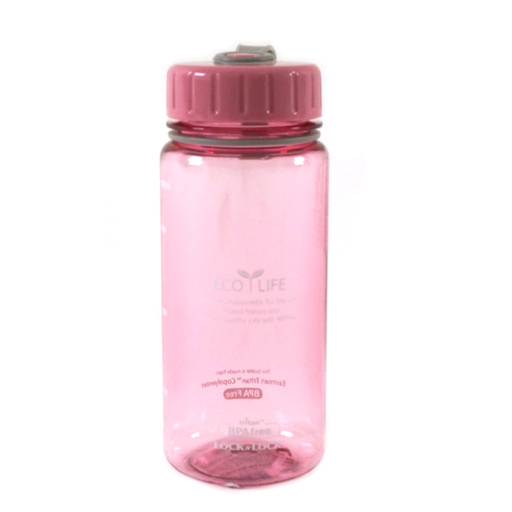
Why This Fits Their Persona: With a 400 ml capacity and a lightweight, compact design, this bottle is ideal for the daily commute, a handbag, or the office desk. It provides enough hydration without being bulky.
The simple screw-on lid is robust and reliable, minimising the risk of leaks from complex mechanisms. The BPA-free material is designed for daily use, and the simple construction makes cleaning easy.
Lightweight and portable; simple, functional design for everyday use.
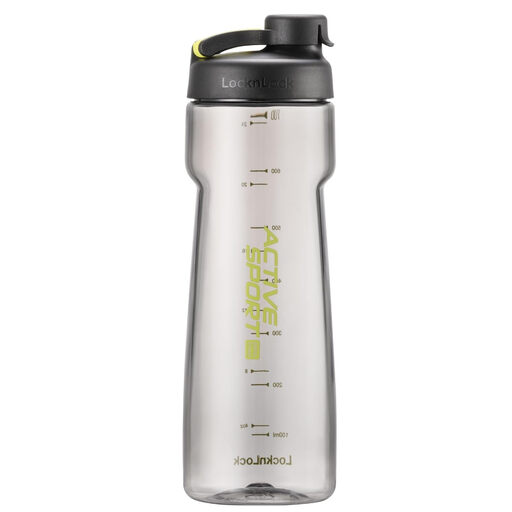
Why This Fits Their Persona: With a 730 ml capacity, an ergonomic grip, and one-handed operation, this bottle is designed for intense workouts, hikes, or the gym. It provides ample hydration for longer activities.
The Tritan material prevents the absorption of odours and stains. The flip-top lid with a safety lock directly addresses the problem of leakage during movement and transport in a gym bag.
Durable Tritan material; one-handed lid with a safety lock.
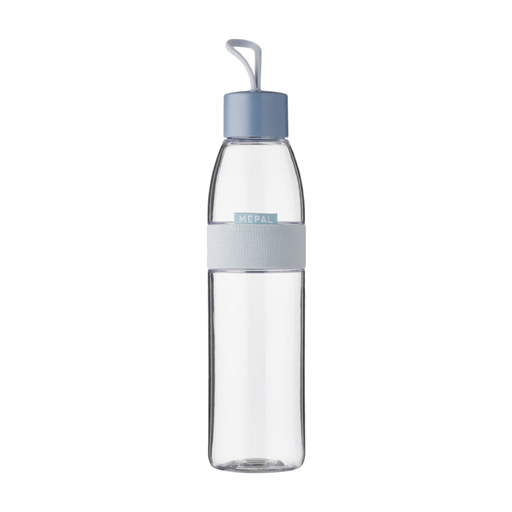
Why This Fits Their Persona: This model is explicitly designed for use with carbonated drinks. With a 700 ml capacity, it offers enough volume for homemade spritzers or sparkling water on the go.
The construction is engineered to withstand the pressure from carbonation while remaining leak-proof—a problem where standard bottles fail. The PCTG material is also odour-resistant.
Specifically suitable for carbonated drinks; 100% leak-proof according to the manufacturer.
If you're looking for a plastic-free alternative, we've compiled a complete, up-to-date list of products that meet our strict selection criteria.
The best method is daily cleaning with warm water and mild dish soap. Use a bottle brush to reach the bottom and inner walls. Allow the bottle and lid to air dry separately to prevent moisture build-up. For stubborn odours, a mixture of water and baking soda or vinegar left to soak overnight can help.
While both materials are free of Bisphenol A, Tritan is a copolyester that stands out for its special properties. Compared to other plastics like PP (polypropylene) or PE (polyethylene), it is significantly more robust, shatter-proof, and resistant to staining and odour retention. It also maintains its glass-like clarity over a long period.
Most Tritan bottles are designed for cold or room-temperature beverages. Some models have a temperature resistance of up to approx. 60°C (140°F). However, you should not pour in boiling water, as this can cause deformation or a pressure build-up that could be dangerous when opening. Always check the manufacturer's specifications for the specific product.