
Lieferung heute & morgen

Qualitätsgarantie

Willkommens-Angebote freischalten: KOSTENLOSE Lieferung | Bis zu 80 % RABATT | Kostenlose 30-Tage-JoyPlus-Testphase
App herunterladen
A water bottle, fridge jug or food storage container should above all be leakproof, easy to clean and suited to how you plan to use it. In practice, unclear material information, fiddly closures or misjudged capacity often lead to disappointing purchases.
These are the three most common pitfalls:
When choosing BPA-free water bottles and food storage containers, check that the material is clearly stated in the product description or on the packaging. Common plastics include PP, PETG and Tritan. The type of plastic matters, but so does the manufacturer’s specific information about food contact.
A plastic water bottle is lightweight and shatterproof, making it practical for everyday use. However, restrictions may apply to hot liquids, depending on the model. According to the product information, the LocknLock 380 ml water bottle is designed for cold drinks and is not suitable for use in the microwave, oven or direct heat. Carbonated drinks can build up pressure in tightly sealed bottles, so they should be avoided with this model.
Several components contribute to a leakproof water bottle:
A sports bottle with a straw is handy for one-handed drinking during exercise, in the car or on the go. The straw should be removable so that drink residue doesn’t collect unnoticed in hard-to-reach areas. A carry strap can make the bottle easier to transport, but it is no substitute for a secure lid lock.
Rectangular containers often make better use of fridge space than round jugs. A 2-litre fridge jug is suitable for water, juice, iced tea or cold coffee and is usually easier to lift. A 3-litre fridge jug holds more, but takes up more space and should not be too heavy to pour when full.
Always follow the instructions for microwave and freezer use. The lid often needs to be removed before heating, as pressure can build up. In the freezer, don’t fill the container right to the top, as liquids expand when frozen.
The following models vary in capacity, closure, accessories and intended use. The details are based on the respective product descriptions.
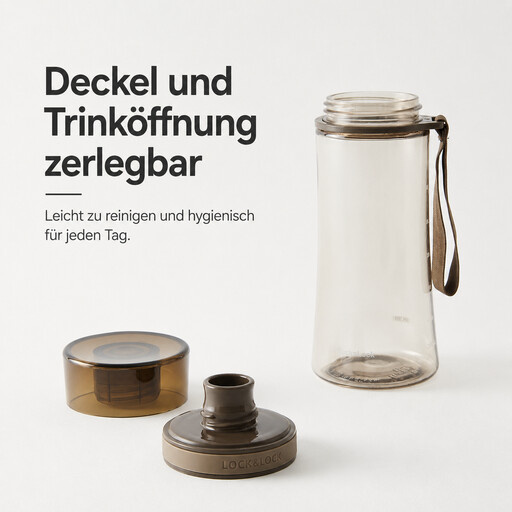
Why it suits this profile: Its compact size is ideal for short trips, a car cup holder, a rucksack or the gym. This BPA-free plastic bottle is designed for cold drinks.
The integrated spout and silicone seal are clearly described. The guidance to use it for cold drinks helps prevent misuse with heat or carbonated drinks.
380 ml capacity, compact dimensions, BPA-free plastic and a closure with a silicone seal.
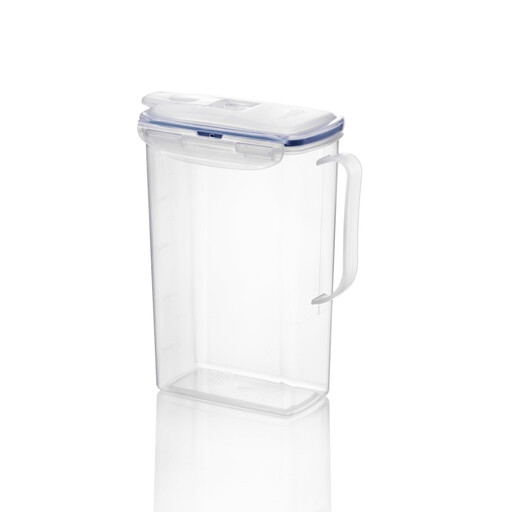
Why it suits this profile: Its rectangular shape makes good use of space in the fridge door. The flip-top lid with a two-sided locking system is designed for households that regularly keep drinks in the fridge.
The product information specifically mentions a silicone seal, an airtight design and leak protection. For dishwasher cleaning, it should go in the top rack.
2 l capacity, BPA-free plastic, suitable for the freezer and dishwasher, and microwave-safe without the lid.
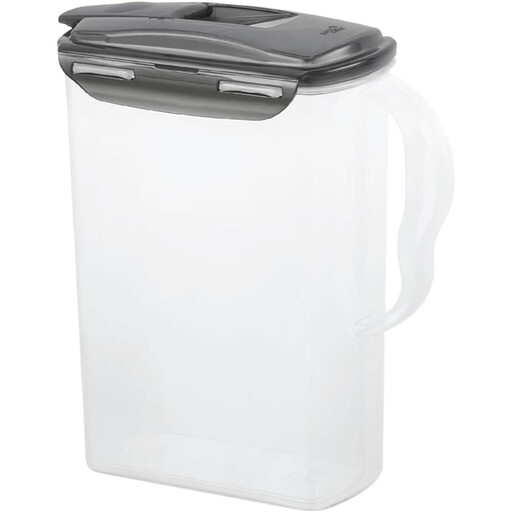
Why it suits this profile: Its larger capacity makes it a good choice for families, shared meals or drinks prepared in advance. The removable cover makes the jug easier to clean.
The lid locks on both sides. The product information also mentions a silicone seal, a precise pouring spout and cleaning in the top rack of the dishwasher.
3 l capacity, BPA-free polypropylene, a leakproof closure and freezer-safe use.
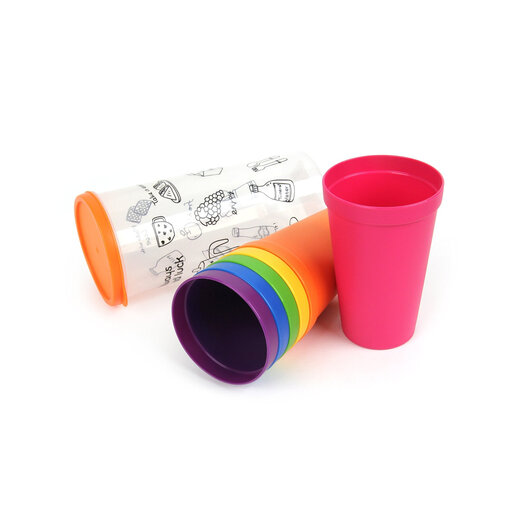
Why it suits this profile: This set of six 650 ml cups is made for picnics, camping, travel and family use. The lidded storage container keeps the cups together for easy transport.
Stackable storage means fewer loose items in your luggage. According to the product information, the cups are dishwasher-safe and BPA-free.
Six 650 ml cups, space-saving stackable design, lidded carry container and BPA-free PP plastic.
We’ve put together a complete, regularly updated list of products that meet these strict selection criteria and comply fully with the safety regulations in force in the EU.
For homemade drinks, a smoothie cup to go or a leakproof yoghurt pot can be particularly useful. The Emsa Clip & Go Smoothie Cup holds 450 ml and features a clip closure and a holder. It is also listed as suitable for the freezer, microwave and dishwasher. Make sure the lid is fully closed before carrying it.
If you’d like to make drinks directly in the container, you could choose a smoothie blender with travel cups. The WMF Küchenminis Smoothie-to-Go Mini Blender comes with two 0.6-litre containers with screw-top lids. The product instructions set a maximum fill level of 600 ml and recommend running the motor for no longer than one minute at a time. It is not designed for hot liquids.
For an organised kitchen, look for dishwasher-safe plastic containers and freezer-safe containers. Before buying, check temperature limits, fill markings and how the lids should be handled. This makes it easier to choose practical drinkware and kitchen containers that suit your actual needs, rather than buying based solely on design or marketing claims.
No. BPA-free describes a material property; it does not automatically mean the container can withstand high temperatures. Always follow the information provided by the manufacturer. The bottles and cups mentioned here are designed for cold drinks, depending on the model. For jugs used in the microwave, the lid generally needs to be removed.
Clean containers with mild washing-up liquid as soon as possible after use, wash seals and drinking spouts separately, and let every part dry completely. Removable straws are particularly important for thorough cleaning. Do not continue using parts that are damaged or cracked.
A 2-litre fridge jug may be enough for one person or smaller quantities. A 3-litre fridge jug is better suited to families or drinks prepared in advance. Before buying, check that the width, height and handle will fit in the space available in your fridge.