
Lieferung heute & morgen

Qualitätsgarantie

Willkommens-Angebote freischalten: KOSTENLOSE Lieferung | Bis zu 80 % RABATT | Kostenlose 30-Tage-JoyPlus-Testphase
App herunterladen
Brain-teaser games are more than just a pastime. They are tools that can foster logical thinking, patience, and problem-solving skills in children and adults alike. But the market is confusing and filled with products that promise more than they deliver. As your Joybuy Product Recommendation Officer, I'll help you separate the wheat from the chaff and make an informed decision.
Many buyers invest in games that end up gathering dust on a shelf after a short time. This is often due to exaggerated marketing promises or hidden flaws. Watch out for these typical traps:
To avoid a bad purchase, you should check three core aspects before making a decision. These will help you assess a game's true value, regardless of advertising slogans.
The manufacturer's age recommendation is only a rough guideline. The individual cognitive maturity of the player is more important. Look for games that grow with the player.
The tactile feel and durability of a game are crucial for enjoyment.
A good brain-teaser game captivates beyond the first playthrough.
Based on the criteria above, we have identified some products that are well-suited for specific user groups.
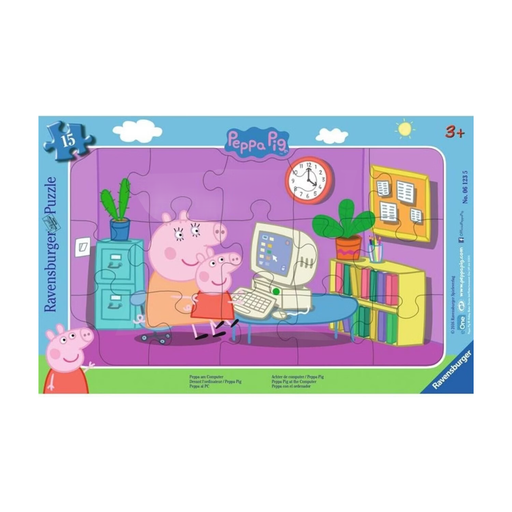
Why This Fits Their Persona: Ideal for toddlers getting their first puzzle experience. The familiar Peppa Pig theme provides motivation, while the low piece count and frame prevent them from getting overwhelmed.
This puzzle bypasses the pitfall of the wrong difficulty level. The puzzle frame with contour lines provides clear guidance and ensures quick successes, which prevents frustration.
Specifically promotes fine motor skills and concentration. The pieces are made of extra-thick, durable material suitable for small hands.
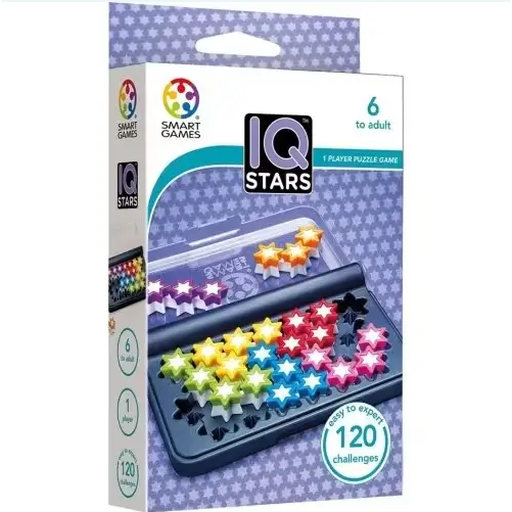
Why This Fits Their Persona: Perfect for travel or quiet solo activity. This compact logic game fits in any bag and offers long-lasting appeal for both kids and adults with its many challenges.
It counters the trap of low replay value. With 120 challenges from beginner to expert, it offers a steep learning curve and remains interesting for months or even years.
Highly portable thanks to a compact design with a lid that keeps all pieces secure. It promotes logical and spatial thinking through clear, self-explanatory game mechanics.
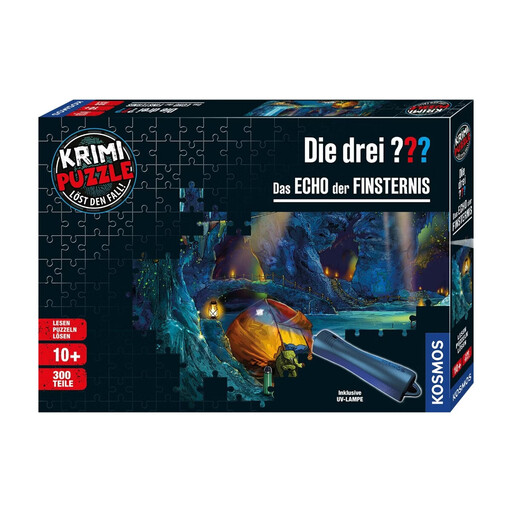
Why This Fits Their Persona: For anyone looking for more than just a puzzle. This game combines an exclusive short story with a 300-piece puzzle and an interactive mystery hunt—ideal for fans of "The Three Investigators" and aspiring detectives.
It avoids the trap of the empty "educational value" promise. The value here clearly lies in the combination of different activities: reading, puzzling, and using deductive reasoning to solve a case.
A unique, multi-stage gaming experience. The included UV lamp for revealing hidden clues in the puzzle image provides a special "wow" factor and high motivation.
We have compiled a complete, up-to-date list of products that fully meet these strict selection criteria and rigorous safety standards.
1. How do I recognise a good brain-teaser game for travel? A good travel game is compact, lightweight, and ideally packaged in a sturdy box with a lid to prevent parts from getting lost. Games like the SmartGames IQ series are designed for this. Magnetic boards and pieces are also a huge plus, as they stay in place during bumpy rides in a car or train.
2. How does a brain-teaser game support my child's cognitive development? Carefully selected educational games train different skills. Logic games hone deductive reasoning and the ability to analyse problems. Patience games strengthen concentration and frustration tolerance. Puzzles for kids improve hand-eye coordination and spatial awareness. The key is to choose an age-appropriate game that challenges without overwhelming.
3. Are more expensive brain-teaser games always better? Not necessarily. The price often reflects factors like material quality (e.g., wood vs. plastic), brand name, or complexity (number of pieces, electronic components). A simple but cleverly designed card game can have higher replay value and a greater learning effect than an expensive, overloaded board game. Focus on the core criteria—age-appropriateness, materials, and game mechanics—rather than just the price.