
Lieferung heute & morgen

Qualitätsgarantie

Willkommens-Angebote freischalten: KOSTENLOSE Lieferung | Bis zu 80 % RABATT | Kostenlose 30-Tage-JoyPlus-Testphase
App herunterladen
By: Joybuy Product Recommendation OfficerDate: August 28, 2026
The selection of brain-teaser games is vast, but not every game delivers on its promises. Vague product descriptions or overhyped marketing often lead to disappointment: a game advertised as challenging turns out to be too simple, or the materials wear out after just a few plays. The goal of this guide is to provide you with objective criteria to help you make an informed decision and avoid buyer's remorse.
Before we dive into the selection criteria, let's look at the three most common issues that lead to dissatisfaction:
To find the right brain-teaser game, you should check three core parameters. These will help you objectively assess a game's quality and suitability.
A precise age recommendation is a key quality indicator. Educational games for children should be tailored to their specific developmental stage and promote skills like fine motor control or logical matching. For toddlers, games with large, easy-to-grip pieces and simple rules are ideal.
For adults and teenagers, on the other hand, games that require complex problem-solving are more interesting. A good adult puzzle, for example, is distinguished not just by a high piece count but also by intricate designs or additional riddle elements. Pay attention to details like estimated playtime or difficulty level to better gauge the complexity.
The tactile feel and stability of the game components are crucial to the playing experience. High-quality, thick cardboard with a linen finish for puzzles, or precision-fit, burr-free plastic components in logic games, are indicators of careful production. Check if the materials are suitable for their intended use. For travel games, magnetic pieces or a sturdy storage case are advantageous to avoid losing anything on the go.
Consider why you are buying the game. Are you looking for a single, intense challenge for a special evening? In that case, games like the "Exit" series are a great choice. Or are you looking for a game that offers fresh challenges time and again? Then, games with variable setups or high replay value are more suitable. These include IQ puzzles with hundreds of challenges or classic cube puzzles with diverse solutions. They also make excellent gift ideas as they offer long-lasting enjoyment.
Here are a few recommendations tailored to specific user profiles and the quality criteria mentioned above.

Why It's a Great Fit: This Montessori-inspired "Quiet Book" is designed specifically for toddlers aged 1-3. It focuses on developing fine motor skills and practical life skills, like tying shoelaces or buttoning, in a safe and engaging environment.
It avoids the vague age rating trap with its clear focus on toddlers. The material, a soft yet durable felt, is long-lasting and safe, unlike easily torn cardboard.
Offers 15 different activities in one book. The securely stitched parts minimise the risk of swallowing, making it a safe educational toy.
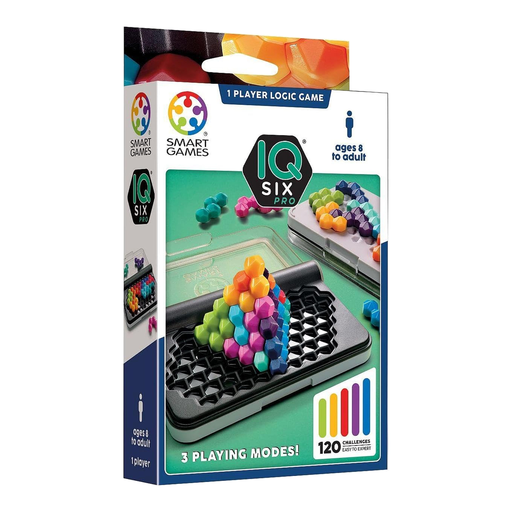
Why It's a Great Fit: Ideal for solo players aged 8 and up who are looking for a flexible challenge. Its compact design makes it a perfect travel game that trains logical thinking and spatial reasoning.
With 120 challenges, this game offers extremely high replay value. The durable plastic pieces are designed for mobile use and frequent play, ensuring they won't wear out quickly.
Combines three different game modes (2D, 3D pyramid, and diagonal 2D puzzles) in one. The challenges range from easy to expert, growing with the player's skills.
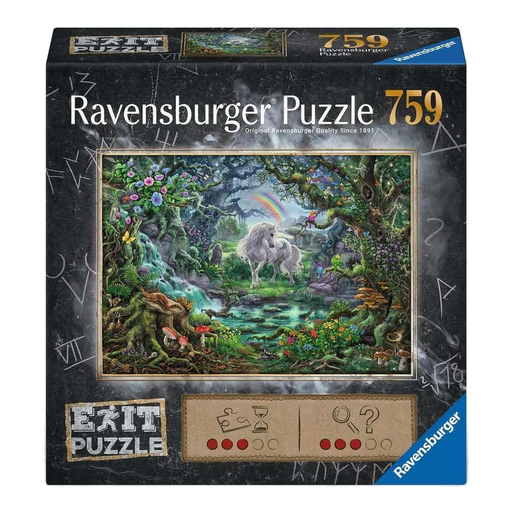
Why It's a Great Fit: For puzzlers and mystery lovers aged 12 and up seeking a unique, immersive experience. It combines a classic 759-piece jigsaw with the logic of an escape room game for a captivating challenge, playable solo or with others.
It clearly communicates its nature as a one-time experience, thus avoiding the limited replayability pitfall. The quality of the Ravensburger puzzle pieces is designed for this intense, single-play event.
An innovative game concept that merges two popular genres: jigsaw puzzling and mystery solving. The final riddle can only be solved after the puzzle is assembled, adding an extra layer of suspense.
We have curated a complete, up-to-date list of products that fully meet these strict selection criteria and all relevant safety standards.
Good travel games are primarily compact, lightweight, and durable. Look for a sturdy case that can double as a playing surface, or for magnetic pieces that won't slide around. Single-player games or those with simple, quickly explained rules are especially well-suited for on-the-go entertainment.
Not necessarily. A higher price can be justified by licensed properties (e.g., from popular books or movies), elaborate illustrations, or electronic components, but not always by superior gameplay quality. Focus on the material quality, game mechanics, and a difficulty level that suits you, rather than just the price tag.
To find the right game as a gift, consider the recipient's interests. Do they enjoy mysteries, abstract logic, or creative building sets? Do they prefer to play alone or in a group? A logic game with many solo challenges is ideal for someone who enjoys puzzling on their own, while a cooperative mystery game makes a great gift for families or couples.