
Lieferung heute & morgen

Qualitätsgarantie

Willkommens-Angebote freischalten: KOSTENLOSE Lieferung | Bis zu 80 % RABATT | Kostenlose 30-Tage-JoyPlus-Testphase
App herunterladen
The search for meaningful brain teasers for kids can quickly become overwhelming. The market is flooded with products that promise educational benefits, but not every game delivers on its packaging's claims. As a Joybuy Product Recommendation Officer, I see daily which products truly offer added value and which are just capitalising on short-lived trends. Many parents invest in toys that are left unused after a short time, either because they lose their appeal too quickly or are impractical.
This guide is designed to help you avoid the most common purchasing pitfalls. We will focus on the objective features that define a quality brain teaser, enabling you to make an informed decision that benefits both your child and your budget.
Before we dive into the selection criteria, it's important to understand the typical problems that lead to poor purchases.
To avoid these pitfalls, you should focus on three objective core parameters. These will help you evaluate a game's quality and utility, independent of marketing messages.
The choice of material affects durability, feel, and safety.
A good puzzle game has clear, understandable mechanics geared towards a specific learning objective.
A game is ideal when it challenges but does not overwhelm.
Here are some recommendations based on the objective criteria above, suitable for different needs and age groups.
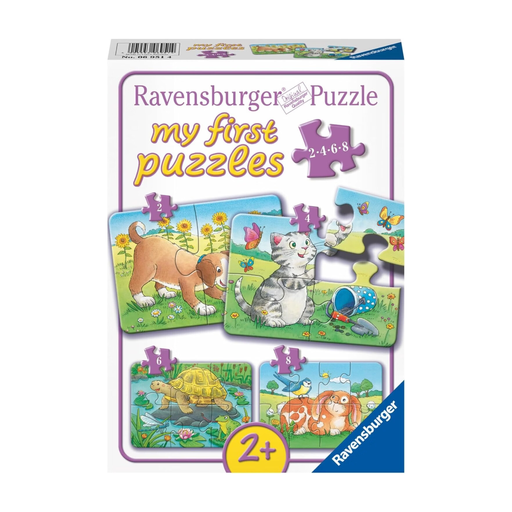
Why This Fits Their Persona: This set is specifically designed for toddlers. The images are clearly recognisable, and the piece count is chosen to allow for early successes without frustration. It's a classic fine motor skills toy for beginners.
It bypasses the pitfall of vague age recommendations by clearly targeting children aged 2+ with extra-large, thick cardboard pieces. The material quality prevents rapid wear and tear.
Specifically promotes fine motor skills and concentration. The sets often include multiple puzzles with an increasing number of pieces, enabling progressive learning.
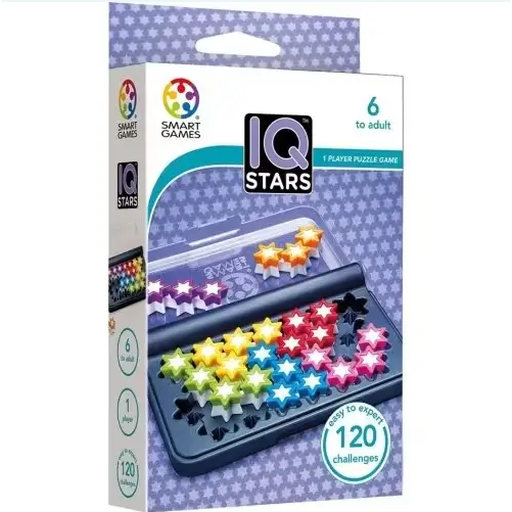
Why This Fits Their Persona: Perfect for children who seek a structured challenge. Its compact design makes it an ideal travel game. It is a pure logic game that can be played solo and enhances concentration.
This game avoids the "empty educational value" trap. Its 120 clearly defined, progressive challenges are proven to train logical and spatial reasoning.
High replayability with 120 challenges across various difficulty levels. The game board includes a lid, ensuring no pieces get lost on the go.
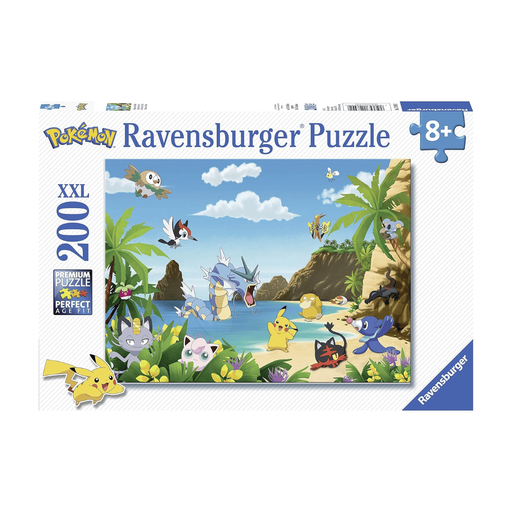
Why This Fits Their Persona: A classic brain teaser for the whole family. The popular Pokémon theme motivates kids, while the XXL pieces are easy to handle, even for younger or more impatient puzzlers. Ideal for an afternoon together.
The combination of 200 pieces and the XXL format solves the problem of misjudging the difficulty. It offers an appropriate challenge for a child aged 8+ without causing frustration from pieces that are too small.
The renowned Ravensburger quality ensures a high precision fit and durability of the cardboard pieces. The finished puzzle has an appealing size of 49 x 36 cm.
We have compiled a complete, up-to-date list of products that fully meet these strict selection criteria and all relevant safety standards.
1. How do I know if a brain teaser is truly suitable for my child's age? The manufacturer's age recommendation is a starting point. However, observe your child's abilities: Can they already concentrate for 10-15 minutes? Are they patient with tricky tasks? For puzzles, the piece count is a good indicator (fewer pieces for younger children). For logic games, models with progressive difficulty levels are ideal as they "grow" with the child.
2. What is the difference between a wooden puzzle and a cardboard one? A wooden puzzle is typically more robust, durable, and, due to the weight and thickness of its pieces, well-suited as a fine motor skills toy for toddlers. Puzzles made from high-quality cardboard, like a Ravensburger puzzle, allow for more detailed images and a higher piece count, making them better for older children and more complex pictures.
3. How do I clean wooden or plastic puzzle games? Wooden toys should only be wiped with a slightly damp cloth and dried immediately to prevent the material from swelling. Plastic parts, like those used in SmartGames, are easier to care for and can often be cleaned with mild soapy water. However, always follow the specific care instructions provided by the manufacturer on the packaging.