
Lieferung heute & morgen

Qualitätsgarantie

Willkommens-Angebote freischalten: KOSTENLOSE Lieferung | Bis zu 80 % RABATT | Kostenlose 30-Tage-JoyPlus-Testphase
App herunterladen
Brainteasers and puzzles differ significantly in terms of objective, difficulty level, materials and age suitability. A product that looks appealing isn’t automatically right for every household. If you focus only on the design, packaging or number of challenges before buying, you can easily overlook important details.
Many challenges look convincing on the packaging. What really matters, however, is whether they vary in difficulty and suit the age of the users. A game with fewer, more varied tasks can stay interesting for longer in everyday use than a large collection of similar challenges.
With family board games, you should check whether everyone plays at the same time, takes turns, or whether the game is designed for just one person. A solo puzzle like the SmartGames IQ-Puzzler PRO, for example, is ideal for independent play, whereas Ubongo Classic is designed for 1 to 4 players.
Puzzles and logic games often contain small pieces. That’s why you should always check the age rating and safety information on the product packaging before buying. The SHASHIBO Shape Changing Box also uses strong magnets. According to the product information, it is suitable for children aged 8 and over and must be kept away from children younger than this.
For brainteasers for children aged 6 and over, clear rules, compact formats and gradually increasing difficulty are practical. The IQ-Puzzler PRO offers 120 challenges in three game variants, including 2D and 3D tasks. The IQ Mini is also aimed at children aged 6 and over and lets users create their own challenges using movable blockers.
From age 8 onwards, more complex logic games and communicative formats become suitable. Ubongo Classic contains 54 game boards with a total of 648 challenges and two difficulty levels, according to the product description. With “black stories Junior Top Secret!”, players solve 50 cases by asking yes-or-no questions. This makes the card game ideal for group play sessions or travel.
For classic puzzles, precisely cut pieces, a clearly visible surface and sturdy cardboard are relevant criteria. The Schmidt puzzles with 1000 pieces feature a linen-textured, matt surface and measure 37.3 × 27.2 cm, according to the product details. Ravensburger puzzles with 1000 pieces measure approximately 70 × 50 cm when completed. So before buying, you should also check whether you have enough space for assembling and, if necessary, storing the puzzle.
For cube puzzles and speed cube models, material, turning performance and design are crucial. Stickerless surfaces integrate the colours into the plastic and prevent peeling stickers. However, this alone doesn’t say anything about turning quality. For beginners, a sturdy construction and smooth movements are usually more important than a complex tuning system.
Travel games should be compact, robust and usable without batteries. The IQ-Puzzler PRO measures approximately 3.82 × 1.1 × 5.67 cm according to the product data and includes its own game board with 13 pieces. A small Rubik’s cube or speed cube also fits in a rucksack or hand luggage. A 1000-piece puzzle, on the other hand, requires a flat, protected surface. For longer breaks, a puzzle mat or a sealable sorting solution is recommended.
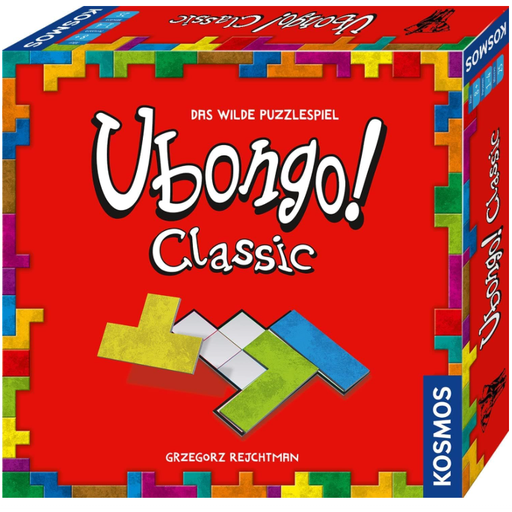
Why this product fits the profile: This board game is designed for 1 to 4 players aged 8 and over and allows for short group play sessions with no setup required.
Two difficulty levels make it easier to adapt to different player experience levels. The age recommendation and warning about small swallowable parts should still be observed.
648 challenges, simultaneous play and optional app-based instructions.
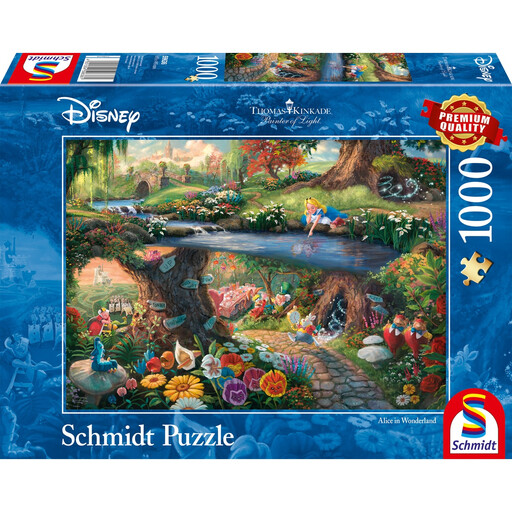
Why this product fits the profile: This puzzle is aimed at people aged 12 and over, according to the information, and combines a detailed design with a matt, linen-textured surface.
The number of pieces, finished size and surface texture are all clearly stated, making it easier to plan for space and usage.
1000 precision-cut pieces, matt surface and a size of 37.3 × 27.2 cm.
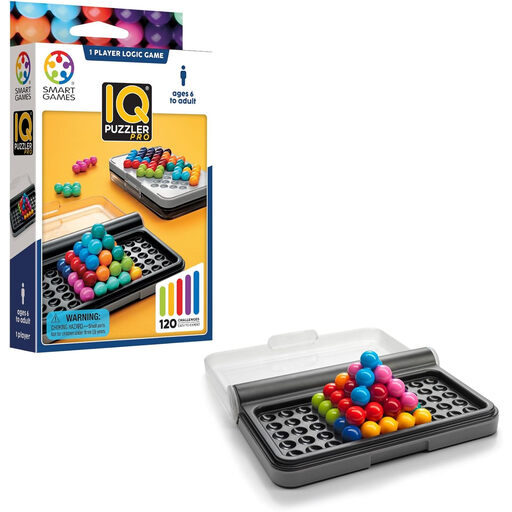
Why this product fits the profile: This compact solo game is suitable for children aged 6 and over and for on-the-go use, such as on the train, in a restaurant or on holiday.
The built-in game board and included challenges reduce the risk of needing extra materials or batteries when out and about.
120 challenges in three modes, including 2D and 3D puzzles; no batteries required.
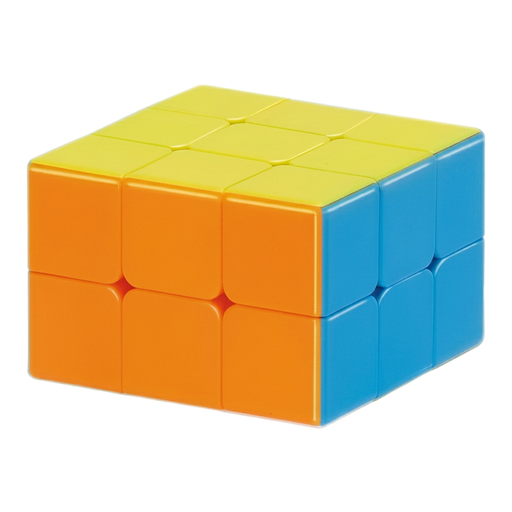
Why this product fits the profile: The rectangular design offers an alternative entry point into twist puzzles and, thanks to its compact size, is suitable for school, travel or waiting times.
The integrated colours cannot peel off like stickers. According to the information, the product is made from ABS plastic; small parts mean the warning notices must be observed.
Stickerless design, anti-pop construction and manual use without batteries.
We’ve put together a complete, regularly updated list of products that fully meet these strict selection criteria and the safety regulations in force in the EU.
For children aged 6 and over, compact solo games with clear challenges are a good option. The IQ-Puzzler PRO and the IQ Mini are suitable from age 6, according to the product information. Parents should also check whether the child has the necessary fine motor skills and patience for the particular task.
The completed design requires approximately 50 × 70 cm or 37.3 × 27.2 cm, depending on the model. You should also allow extra surface area for sorting pieces. If you need the table for other things, you can use a puzzle mat or a sturdy board for safe storage.
Beginners should first look for an understandable design, stable turning and a grippy surface. A 2x3x3 model can offer an alternative way into twist puzzles. More complex variants like a 7x7 speed cube are better suited to users who already have experience with cube mechanisms and solving algorithms.